

Buying wooden patio furniture can feel like a gamble at times, especially if you’re not really informed about all the different kinds of wood and styles. Pick the wrong species, and within two summers your premium dining set splits and rots into kindling. Not ideal! Softwoods like cedar or treated pine have their place, but when you want exceptional durability that handles rain, direct sun, and temperature swings, hardwood tends to rule the yard.
Finding the best hardwood for outdoor furniture comes down to understanding what happens inside the wood grains. High-density hardwoods packed with natural rubber oils and high silica content literally repel water and insects from the inside out, making them perfect for all kinds of weather conditions.
In fact, some hardwoods let you set them outside and forget about them for twenty years. Others need a light coat of teak sealer every spring to keep their warm golden hue. Knowing the difference and what to expect from your furniture is the key here.
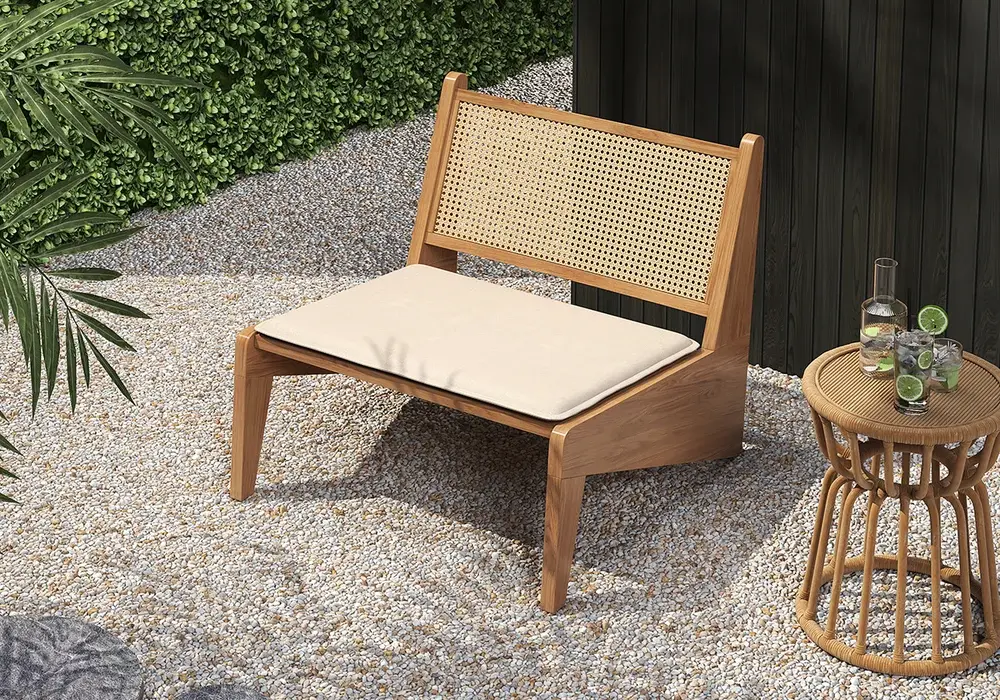
Source Homary
What Makes Hardwoods Durable Outdoors? Density, Natural Oils, and Janka Ratings
Not all hardwoods are created equal. Poplar and birch are technically hardwoods, but put them on an open deck and they'll rot faster than pine. This is what makes it kind of difficult for people to pick between the different types.
What separates true exterior hardwoods from interior framing woods is density, natural oil saturation, and silica content. Together, these internal defenses act as a natural shield, stopping moisture absorption and repelling wood-boring insects before they start causing problems.
Wood hardness is measured using the Janka Hardness Scale, which tests the force required to embed a 11 mm steel ball halfway into the wood. It’s awfully specific, but there’s a reason for it. It gives you an idea of just how durable your outdoor hardwood furniture will be. So here's how those physical properties translate to your patio:
Natural oil saturation
Teak and ipe produce dense natural resins and oils that act as a built-in water repellent. Even when left untreated under heavy winter rain, these oils block moisture from seeping into the core, stopping the freeze-thaw cycles that snap lesser woods in half.
Grain density and checking
When wood absorbs water, it swells. When it dries in the sun, it shrinks. That constant expansion and contraction creates small surface cracks known as “checking.” Dense hardwoods with Janka ratings over 1,000 lbf experience minimal movement, keeping joint connections rock-solid year after year.
Source Homary
Ranking the Best Hardwood for Outdoor Furniture: Durability, Care, and Cost
Balancing raw weather resistance against your budget is the key to picking the right wood species for your yard. So here’s a convenient table to help you compare the different kinds of hardwood used in outdoor furniture.
Hardwood Species | Janka Hardness Rating | Outdoor Weather Resistance | Maintenance Needs | Price Level | Best Climate and Use Case |
Ipe (Brazilian Walnut) | 3,680 lbf (Ultra dense) | Exceptional (30 to 50+ year lifespan) | Very Low (Optional oiling for color) | Premium $$$$ | Extreme weather decks, heavy sun, and harsh winter zones. |
Grade-A Teak | 1,070 lbf (Ideal natural flexibility) | Exceptional (25 to 50+ year lifespan) | Low (Sands clean, patinas to silver) | High $$$ | All climates, coastal sea air, open decks, and pool sides. |
Shorea | 1,400 to 1,600 lbf (Heavy timber) | High (15 to 25 year lifespan) | Moderate (Annual sealing recommended) | Mid-to-High $$$ | Covered patios, sunny decks, and humid climates. |
Acacia | 1,700 to 2,300 lbf (Very hard) | Moderate to High (10 to 15 year lifespan) | Moderate (Seal or cover during winters) | Moderate $$ | Covered decks, screened porches, and budget-conscious dining. |
Eucalyptus | 1,125 to 1,500 lbf (Moderate) | Moderate (8 to 12 year lifespan) | High (Requires annual oiling/sealing) | Budget $ | Covered patios, drier climates, and sheltered pergolas. |
At the end of the day, picking the right hardwood comes down to balancing your budget against how much time you want to spend maintaining it.
If you want a buy-it-for-life piece that laughs in the face of brutal rainstorms, Grade-A teak or ipe is worth every penny. If you’re furnishing a covered patio and want rich, high-end grain without the eye-watering price tag, acacia offers some incredible value.
Try to match the species to your local weather, keep a breathable cover handy for the off-season, and you’ll have a rock-solid setup that looks brilliant for years.
Species Breakdown: Teak, Ipe, Acacia, Eucalyptus, and Shorea
Every hardwood species brings a unique combination of grain aesthetics, structural weight, and maintenance demands to your outdoor living space.
Grade-A Teak
Grade-A teak comes strictly from the heartwood core of mature Tectona grandis trees. It's packed with natural silica and rubbery oils that make it virtually immune to dry rot, mold, and termites. Left untreated outdoors, teak slowly weathers from a golden brown to a distinguished silvery-gray patina without losing structural integrity.
Ipe
Originating in South America, Ipe is so ridiculously dense that it sinks in water and carries a Class-A fire rating, the same as concrete and steel. It's practically indestructible. But the downside? It's so hard that woodworkers need diamond-tipped blades just to cut it, making custom pieces heavy and expensive.
Acacia
Acacia offers an incredible balance of beauty and budget. It has a higher Janka hardness score than teak and offers some of the most interesting and dramatic swirling grain patterns. However, acacia contains lower natural oil levels than teak. That means it thrives best under covered patios or when protected with a sealer to keep humidity swings from causing surface cracks.
Shorea and Eucalyptus
Shorea is a dense Asian hardwood that closely mimics teak's weight and weather resistance at a lower price point. Eucalyptus offers a fast-growing, eco-friendly option with rich reddish tones, though it requires annual oiling to prevent drying out in hot, arid climates.
Source Homary
Our Top Teak and Acacia Outdoor Sets for 2026
There's no need to settle for basic wooden picnic tables and outdoor seating. Modern outdoor furniture pairs high-grade hardwoods with powder-coated aluminum and deep cushions for luxurious outdoor lounging.
Here are three common patio scenarios and the exact hardwood setups built to handle them.
Scenario 1: Teak modular lounging for coastal decks
If your patio sits exposed to salt air, harsh afternoon sun, or heavy seasonal rain, Grade-A teak is worth every penny. Its natural oils block moisture absorption and stops sea salt and humidity from destroying the frame, keeping your lounge set solid for decade
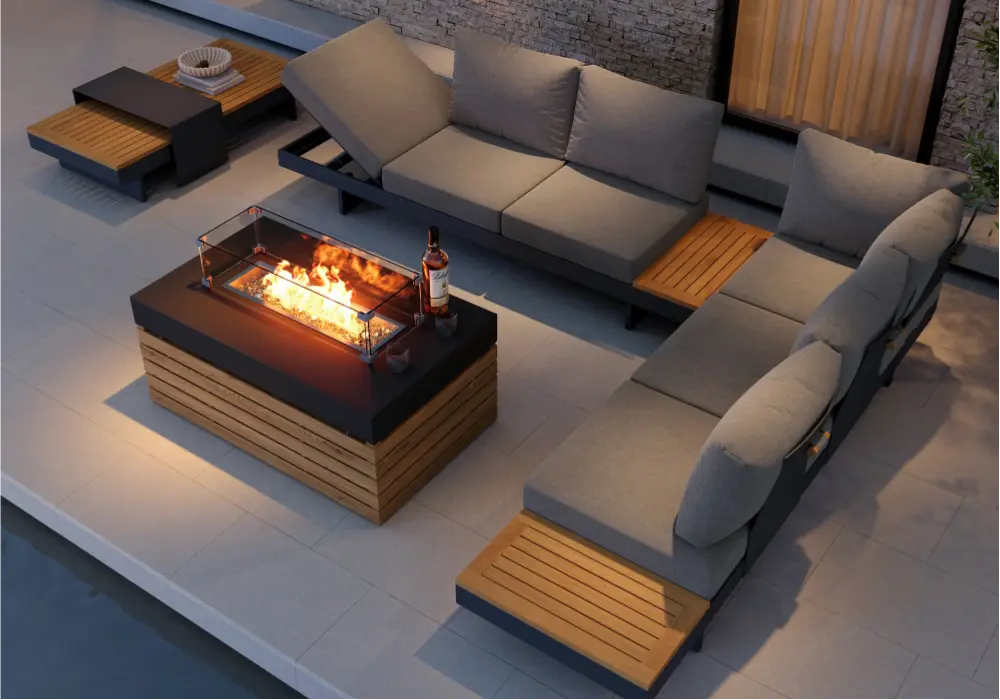
A great example of teak craftsmanship is this Slatera 4-Piece Outdoor Acacia & Aluminum Modular Sofa Set in Dark Gray. It features warm teak frame bases paired with thick gray cushions, giving you a weather-proof lounge station for deep seating.
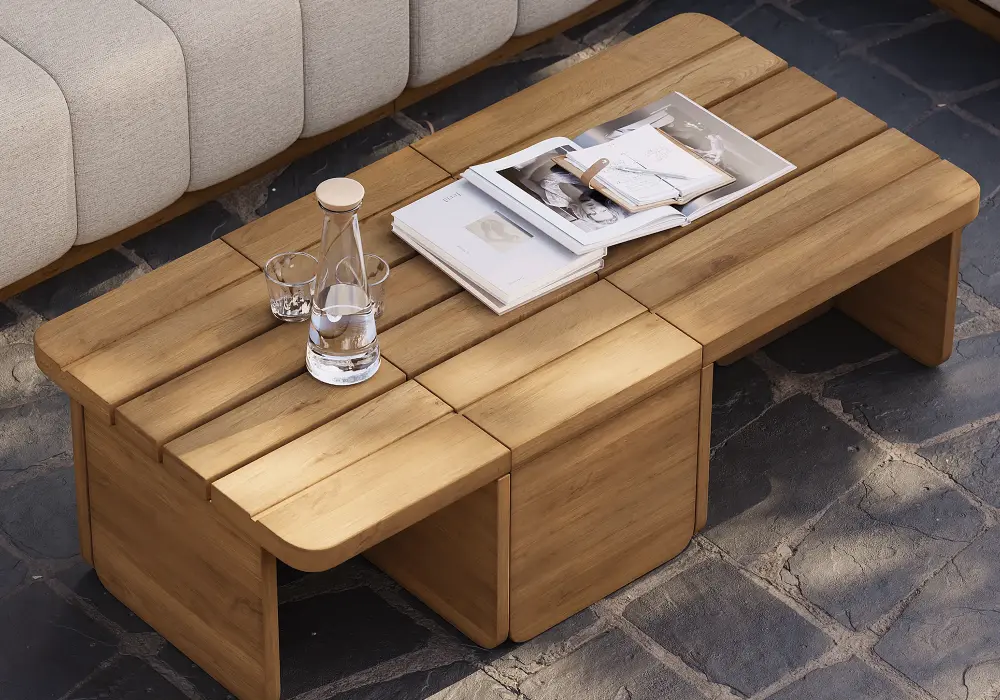
To complete a modular lounge, pair it with the Resaro Rectangle Modular Slatted Teak Wood Outdoor Coffee Table. The slatted tops let rainwater drain through instantly rather than pooling on top of the grain.
Scenario 2: Acacia and aluminum dining setups for high-traffic patios
If you love hosting outdoor dinners but don't want to blow your entire renovation budget on teak, then combining acacia wood with powder-coated aluminum frames can give you high durability with modern style.
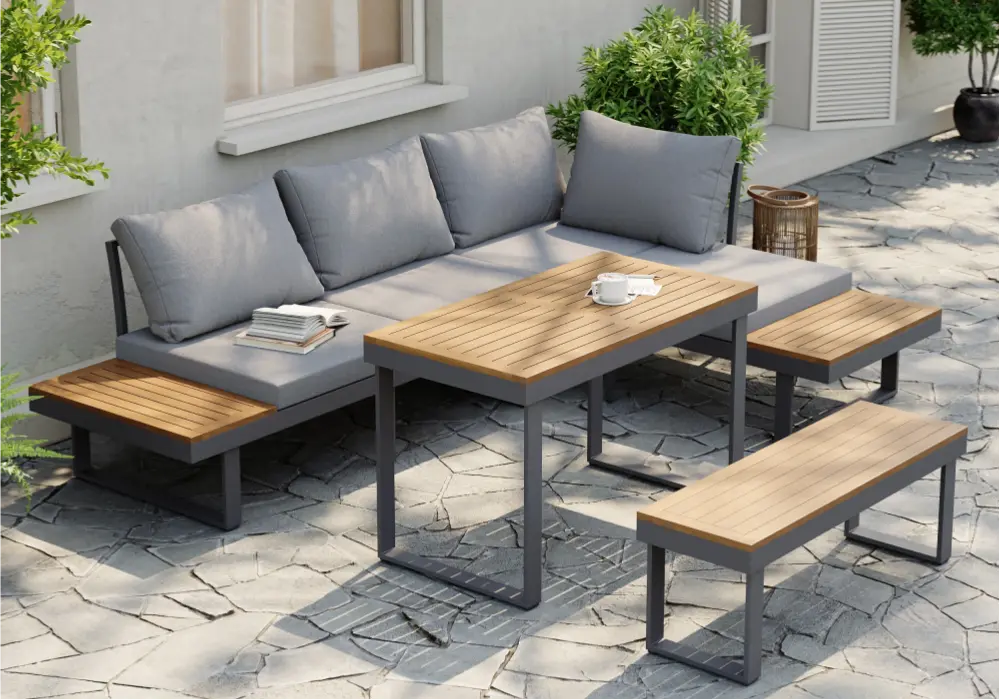
For family dining, check out the Tevara 7 Pieces Rectangle Teak & Aluminum Outdoor Patio Dining Set for 6 Person set. It pairs smooth acacia wood table slats with a lightweight aluminum frame that won't rust. If you need extra seating for guests, add a pair of matching Tevara Outdoor Teak & Aluminum Dining Chairs in Gray, Set of 2 to extend your table setup.
This combination works great because you get the rich, warm grain of dense acacia where your hands and arms rest, backed by an aluminum chassis that stays easy to move across the deck.
Just keep in mind that while acacia is tough as nails, it doesn't have the endless oil reserves of teak. Putting an acacia dining set under a covered patio or tossing a breathable cover over it during winter months keeps the grain looking freshly oiled for years.
Scenario 3: Cozy fire pit lounge setups with hardwood accents
There's nothing quite like gathering around a warm flame on a crisp autumn evening. Combining rich wood seating with clean gas fire features creates an instant backyard centerpiece that you’ll love spending time around.
A great layout for late-night hosting is our 4-Pieces Modular L-Shaped Teak Sectional Outdoor Sofa Set with Fire Pit in Gray. The propane fire table provides clean heat without smoke, while deep sectional seating keeps guests comfortable around the fire.
It’s a great piece that blends structured weather-resistant seating with a safe, wind-shielded flame area, extending your patio season well into spring and fall.
Source Homary
Hardwood Maintenance: Letting It Patina versus Preserving Warm Wood Tones
One of the coolest things about high-end hardwoods like teak is that you get to choose how they look over time.
Option A: The natural silver patina
If you leave Grade-A teak untreated outdoors, solar UV rays oxidize the outer wood fibers. Over 6 to 12 months, the golden hue transforms into a soft silver-gray finish.
This change is purely aesthetic and it doesn't hurt the wood's structural strength at all. All you need to do is scrub it once a year with soapy water and a soft bristle brush to wash away dirt.
Option B: Preserving golden wood tones
If you prefer the warm, honey-gold color of fresh teak or acacia, skip traditional linseeds or teak oils that trap moisture and grow black mildew.
Instead, apply a breathable, solvent-based teak sealer once a year. Teak sealers contain UV blockers that prevent oxidation while allowing the wood grain to breathe.
FAQs About Hardwood Outdoor Furniture
Which hardwood lasts the longest outdoors without rotting?
Grade-A teak and Ipe tie for top placement. Both species naturally last 25 to 50+ years exposed to rain, snow, and intense heat without rotting, splitting, or requiring chemical preservatives.
Does acacia wood last as long as teak outdoors?
Not quite. While acacia is actually harder on the Janka scale than teak, it contains significantly less natural oil. Unprotected acacia exposed to direct rain will dry out and check faster than teak. Expect 10 to 15 years out of acacia with basic maintenance, compared to 30+ years for teak.
Should I put traditional teak oil on my outdoor hardwood furniture?
No. Despite the name, most commercial teak oils are made of linseed or tung oil mixed with solvents. They create a sticky surface layer that attracts dirt and turns into dark mildew under humid weather. Use a dedicated marine-grade teak sealer instead.
Can outdoor hardwood furniture be left outside during winter?
High-oil hardwoods like teak and ipe can stay outside year-round in freezing temperatures. However, to prevent dirt buildup and prolong cushion life, cover your furniture with a breathable, waterproof furniture cover or store cushions indoors during severe winter blizzards.
How do I stop outdoor hardwood furniture from cracking in high heat?
Surface cracks happen when the outer layer of wood dries out faster than the core. While dense hardwoods naturally resist shrinkage, you can protect them during heatwaves by applying a UV-blocking wood sealer every spring. If the heat in your patio gets intense during the afternoons, using breathable furniture covers during peak summer months or placing your hardwood set under a pergola keeps the grain from drying out too quickly.
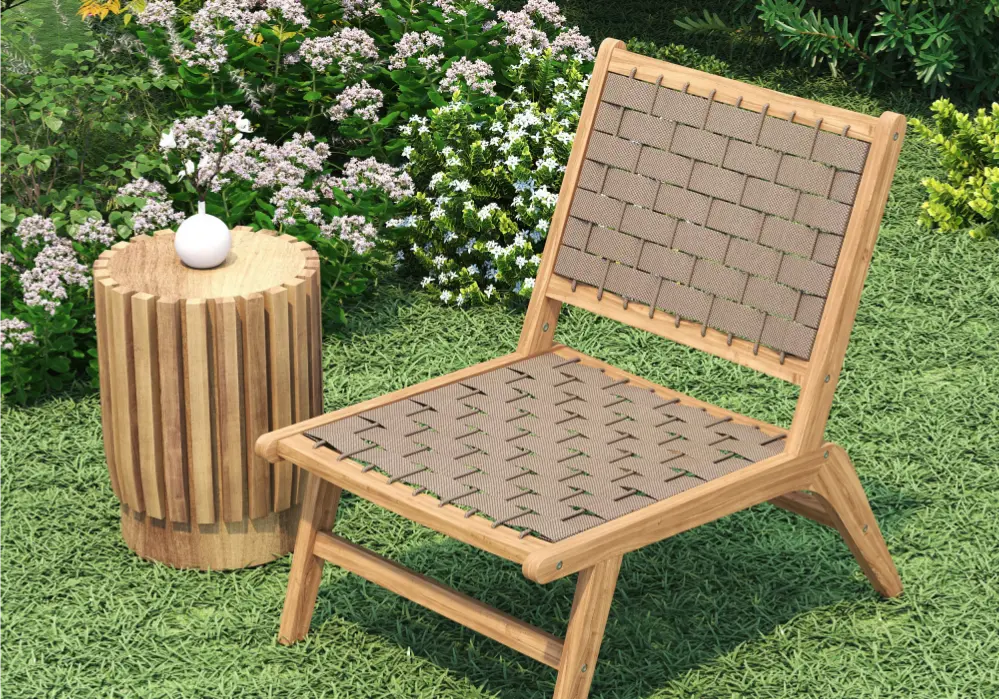
Source Homary
Picking the Right Hardwood for Your Deck
Choosing the best hardwood for outdoor furniture comes down to your budget, how much maintenance you can tolerate, and local weather. If you want lifetime durability with zero hassle, Grade-A teak is the undisputed champion for open decks. If you prefer high-end looks and dark grain at an accessible price point, acacia paired with aluminum frames offers fantastic everyday value under covered spaces.
So before you make a purchase, remember to measure your patio layout, pick a wood species that matches your climate, and give your furniture basic seasonal care. You'll end up with an inviting outdoor living room that looks brilliant for decades to come.