

A counter-height dining table can transform your dining experience. Whether you are furnishing a cozy apartment, updating an open-concept kitchen, or creating a casual space for entertaining, this type of table offers a modern and functional alternative to the traditional dining set.
Standing taller than your average table, a counter-height dining table bridges the gap between sitting and standing. This guide will walk you through everything you need to know, from precise dimensions and seating requirements to practical buying tips, ensuring you choose the perfect table for your home and lifestyle.
Key Takeaways
- Standard Height: Counter height dining tables typically measure between 34 and 36 inches tall.
- Seating Match: They require stools or chairs with a seat height of 24-26 inches.
- Legroom: For optimal comfort, maintain a 10- to 12-inch gap between the seat and the underside of the table.
- Space Planning: Allow 24 to 26 inches of table width per person and at least 36 inches of clearance around the table for movement.
- Best For: These tables are ideal for small spaces, casual dining, and homes where entertaining is a priority.
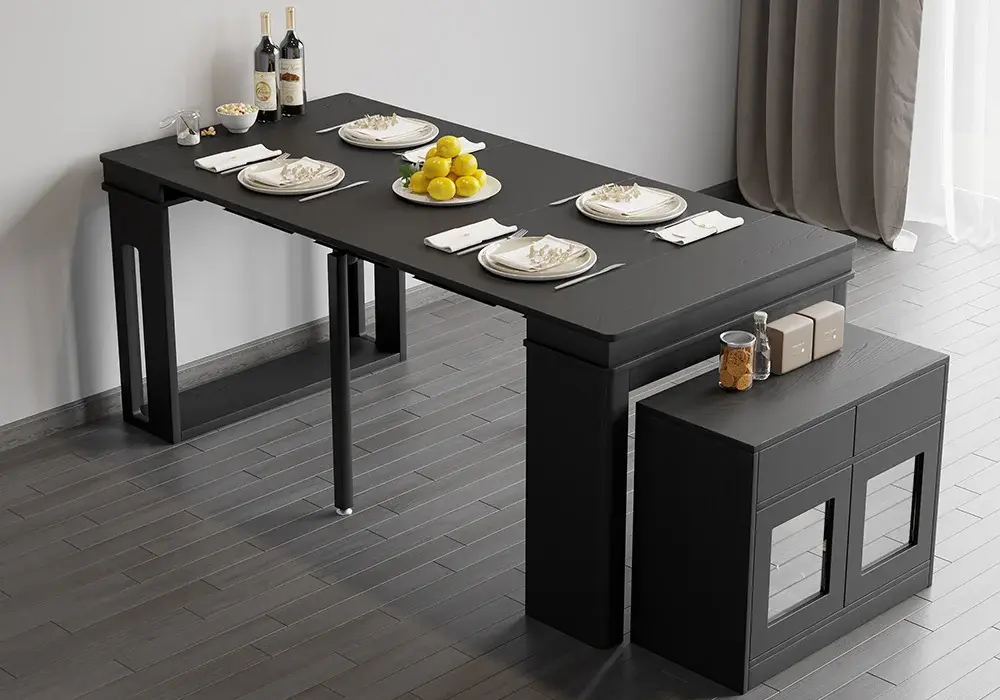
Table of Content
Understanding Counter Height Dining Tables
Before we get into the finer details of selection, it is important to understand what a counter height dining table is and why it might be the right choice for you. As the name suggests, its height matches that of a standard kitchen counter.
What is a Counter Height Table? Unlike a traditional dining table, which sits around 30 inches tall, a counter-height table stands at 34 to 36 inches from the floor to the tabletop. This elevated height creates a more relaxed, informal atmosphere that encourages mingling and is perfect for hosting gatherings.
The Benefits:
- Ideal for Small Spaces: The vertical height creates a more open feel, making a room appear less cluttered. This is why they are a popular choice for compact dining areas and eat-in kitchens.
- Casual and Modern Vibe: They add a contemporary, chic look and are a great conversation starter, lending themselves perfectly to a casual, modern lifestyle.
- Multi-functional: The height makes them a versatile piece of furniture. They can double as an impromptu workspace, a buffet table for parties, or an extension of your kitchen island.
- Comfort for Taller Individuals: The extra height offers more legroom for taller family members and guests, making seating more comfortable than standard-height options.
Comparing Dining Heights: Standard, Counter & Bar
One of the most crucial steps is understanding the three primary table heights to ensure you're making the right choice for your space and seating. This comparison table breaks down the differences.
Table 1: Dining Height Comparison Guide
Feature | Standard (Dining) Height | Counter Height | Bar (Pub) Height |
Table Height | 28 - 30 inches | 34 - 36 inches | 40 - 42 inches |
Seat Height | 18 - 23 inches | 24 - 26 inches | 28 - 32 inches |
Best Use Case | Formal dining, family meals, traditional settings. | Casual dining, open-concept kitchens, small spaces, entertaining. | Social gatherings, home bars, maximizing vertical space. |
Pros | Wide variety of styles available; accessible for children and those with mobility needs. | Modern feel, creates an open look, ideal for small areas, versatile. | Space-saving, perfect for high-top tables, same height as a pub bar. |
Cons | Takes up more floor space, less legroom for taller people. | Less accessible for small children; may not fit with all decor styles. | The least accessible option; not ideal for formal dining. |
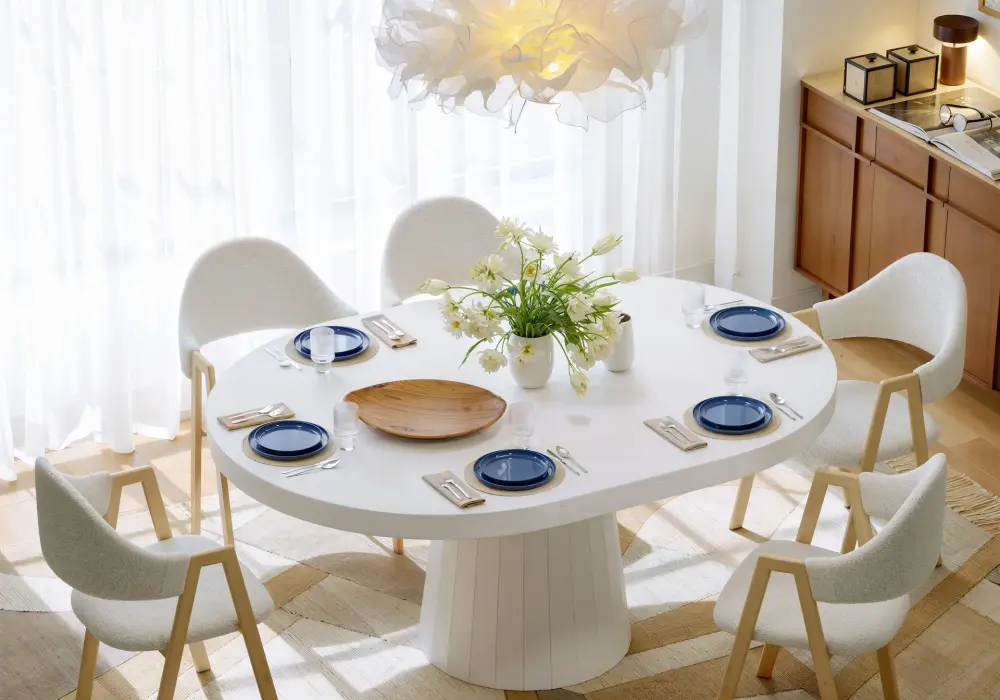
Homary Pick: Modern Rectangle Tempered Glass Dining Table
Assessing Your Space and Choosing the Right Size
Before you fall in love with a specific design, it is essential to assess your space. A table that is too large can make a room feel cramped, while one too small can look out of place. Here’s how to get it right.
Measure Your Dining Area
Use painter's tape on the floor to map out the potential size of your table. This is the best way to visualize how the piece will fit. Ensure there is enough room for people to pull out chairs and walk behind them.
Clearance: A good rule of thumb is to leave a minimum of 36 inches of clearance between the edge of your table and the wall or nearby furniture to allow for traffic flow and comfortable seating.
Determine the Right Width and Length
The dimensions of the table will dictate how many people you can seat comfortably. For a comfortable dining experience, each person should have about 24 to 26 inches of horizontal space.
Recommended Table Size per Person
Table Shape | Seating Capacity | Recommended Dimensions (W × L) |
Rectangular | 4 people | 36" × 48" |
Rectangular | 6 people | 36" - 40" × 60" |
Rectangular | 8 people | 40" × 78" - 80" |
Square | 4 people | 36" - 44" × 36" - 44" |
Round | 4 people | 48" diameter |
Round | 6 people | 54" - 60" diameter |
Choosing a Shape
- Rectangular: The most common shape, perfect for narrow rooms and efficient seating.
- Round: Great for saving space and encourages conversation, ideal for smaller, square rooms.
- Square: Creates a cozy and intimate setting, suitable for compact dining areas.
The Perfect Match: Seating Options
Your table's height dictates the seating you need. Using the wrong chair height will make the table unusable and uncomfortable.
Stool and Chair Height
For a 34- to 36-inch counter height table, you must use stools or chairs with a seat height of 24 to 26 inches. This ensures your guests can comfortably sit with their feet supported and knees at a 90-degree angle.
The Golden Rule of Legroom
The key to comfort is the space between the seat of the chair and the bottom of the table. This is known as the knee clearance. You should aim for a gap of 10 to 12 inches between the top of the chair seat and the underside of the tabletop. This provides ample room for your thighs.
Pro Tip: Spacing between seats is equally important. Position your chairs or stools about 24 inches apart from center to center to prevent overcrowding and bumping elbows. Also, space bar stools 26 to 30 inches apart for maximum comfort.
Features to Consider
When shopping for seating, consider features like footrests, which are common on counter-height stools and provide additional comfort and support for shorter guests. Backrests also offer more support for longer, leisurely meals.
Material and Finish Options
The material of your counter height dining table impacts its durability, maintenance, and overall aesthetic. Here’s a breakdown to help you choose the best one for your lifestyle.
Solid Wood
Pros: Durable, warm, classic, and can be refinished. Options range from rustic farmhouse (reclaimed wood) to sleek mid-century modern. Cons: Can be heavy and susceptible to scratches and water rings if not properly sealed.
Metal
Pros: Offers a modern, industrial look. Highly durable and resistant to damage. Cons: Can be heavy and cold to the touch; may show fingerprints.
Glass
Pros: Makes a small space feel more open and airy. Easy to clean and offers a contemporary, minimalist vibe. Cons: Prone to showing smudges and fingerprints. Can be a concern for families with young children.
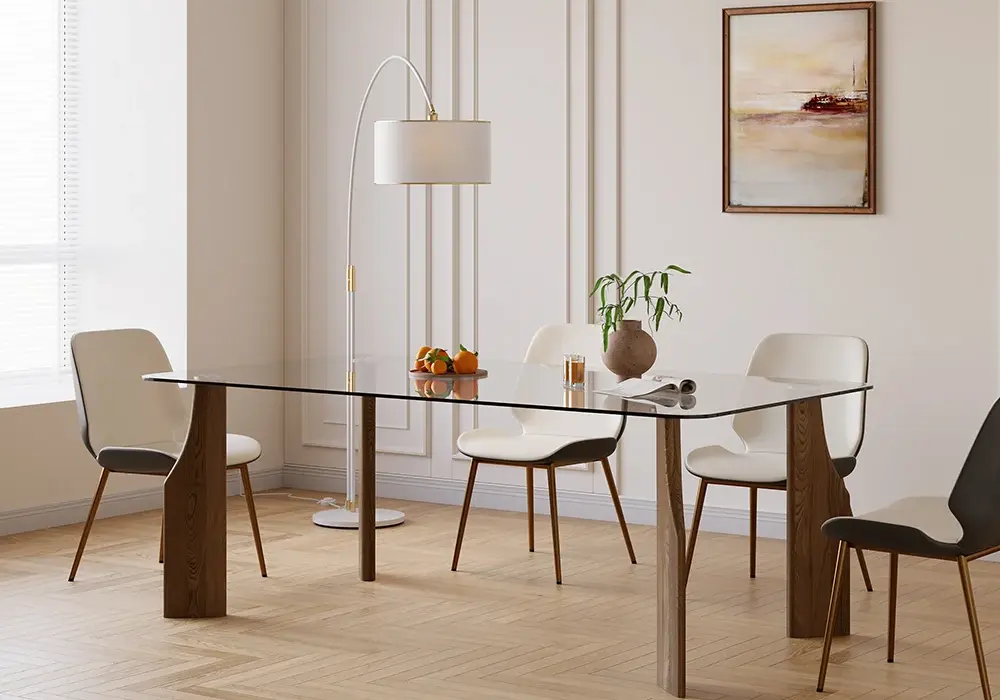
Homary Pick: Modern Rectangle Tempered Glass Dining Table
Stone (Marble, Quartz)
Pros: Creates a luxurious, high-end feel. Extremely durable and heat resistant.
Cons: Heavy and can be expensive. Some stones like marble are porous and require sealing to prevent stains.
Style and Decor Compatibility
A counter height table is a statement piece, so ensure its style complements your existing decor.
- Modern/Minimalist: Look for clean lines, glass tops, or metal legs.
- Industrial: Choose tables with metal frames and reclaimed wood tops.
- Farmhouse: Opt for solid wood with a white or weathered finish.
- Traditional: Find a table with turned legs and rich wood stains.
Styling Tips:
- Rugs: Place a rug under the table to define the dining area and add texture.
- Lighting: Pendant lights hung at the correct height can enhance the modern feel and create a warm atmosphere.
- Centerpieces: Add a simple centerpiece, like a vase with fresh flowers or a decorative bowl, to bring the table to life without cluttering the space.
Budgeting and Quality
Counter height dining tables can range from budget-friendly to high-end luxury. While it is always good to find a bargain, remember that this is a long-term investment.
- Look for Quality: Check for solid wood construction, sturdy joints, and a well-applied finish.
- Features that Add Value: Consider tables with built-in storage or shelves in the table base, which are common in this style and can be incredibly helpful for organizing your space.
- Longevity: A well-made table can last for generations. Spending a bit more upfront on quality materials and construction can save you money in the long run.
Maintenance and Care
- Wood: Dust regularly and clean with a damp cloth. Use coasters and trivets to prevent heat and water damage. Apply furniture polish or wax as needed.
- Glass: Clean with a standard glass cleaner for a streak-free finish.
- Metal: Wipe with a soft, damp cloth to prevent dust buildup.
Frequently Asked Questions (FAQ)
What is the standard height of a counter height dining table?
The standard height for a counter height dining table is typically between 34 and 36 inches from the floor to the top of the table surface.
What size stools fit a counter height table?
For a 34- to 36-inch counter height table, you should look for stools or chairs with a seat height of 24 to 26 inches. This keeps the seat height comfortable and proportional.
What is the difference between a counter height and a bar height table?
A counter height table is about 36 inches tall, while a bar height table is taller, at 40 to 42 inches. Consequently, counter height tables use 24- to 26-inch stools, whereas bar height tables need 28- to 32-inch stools.
How much space should I leave around a counter height dining table?
For comfortable movement, leave at least 36 inches of clearance between the table edge and walls or other furniture. For comfortable seating, each person should have about 24 to 26 inches of elbow room.
How much space should be between the table and the chair seat?
You should aim for about 10 to 12 inches of space between the top of the chair seat and the underside of the table to ensure adequate legroom for everyone.
Are counter height dining tables good for small spaces?
Yes, they are an excellent choice for small spaces. Their elevated height makes the room feel more open and less cluttered. Their table bases also often include extra storage, making them even more functional for compact areas.