

In recent years, more and more children and teenagers have started wearing glasses or complaining about back pain — issues often linked to poor sitting posture. As kids spend longer hours studying or using electronic devices, maintaining good posture becomes essential for their overall growth and well-being.
What Is Poor Sitting Posture?
Poor sitting posture refers to slouching, leaning too close to the desk, or sitting for long periods without proper support. Over time, these habits can cause both visible and hidden health problems, especially during a child’s growth phase.
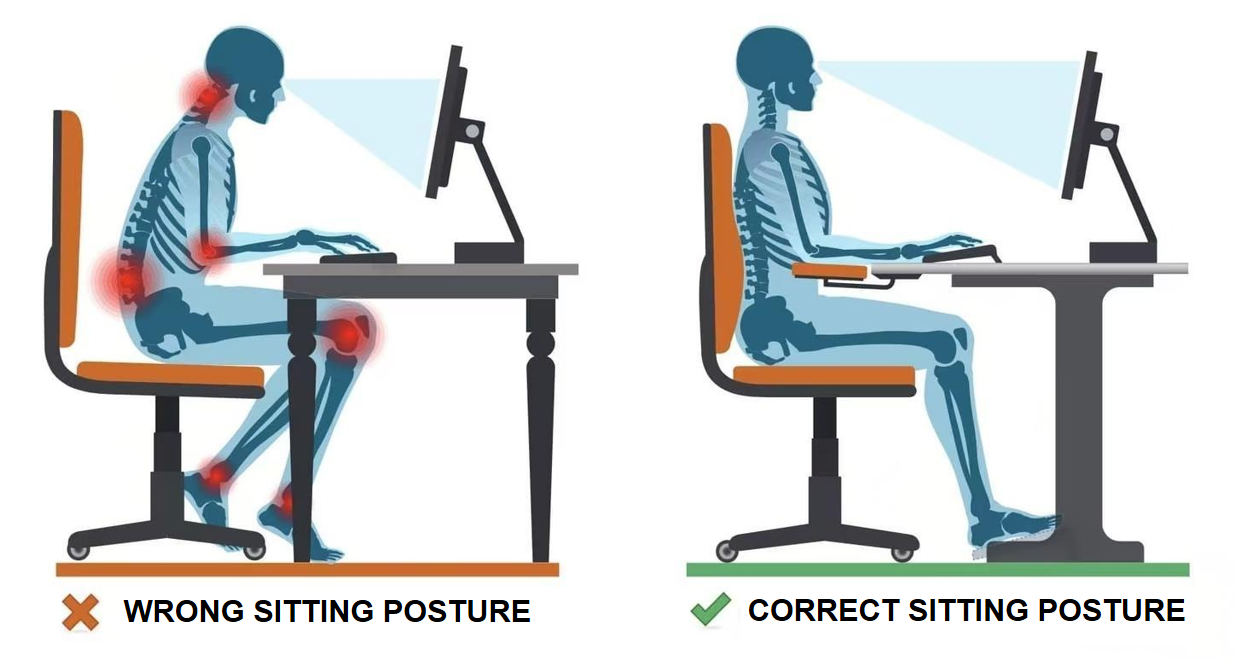
How Poor Sitting Posture Affects Children’s Health?
1. Vision Problems
When kids lean too close to their books or screens, their eyes have to work harder to focus. This leads to eye strain, dryness, and eventually myopia or nearsightedness. Once the eyes are affected, the damage is often irreversible.
2. Spinal Issues
Incorrect posture while studying can cause the spine to bend or twist abnormally, leading to conditions like scoliosis or chronic back pain. Even young children can start experiencing waist or knee discomfort if these habits continue unchecked.
3. Neck and Shoulder Strain
If a child’s desk and chair are mismatched in height, it puts unnecessary pressure on the neck and shoulders. Over time, this can lead to stiffness, fatigue, and even early-stage cervical problems — something no child should deal with.
What Does a Good Sitting Posture Look Like?
A proper sitting posture helps protect the eyes, spine, and muscles while encouraging healthy habits for kids that last a lifetime.
Good posture means keeping the back straight, shoulders relaxed, and hips aligned. The ears, shoulders, and hips should form a vertical line. Feet stay flat on the floor, knees bent at roughly 90 degrees, and elbows close to the body at the same angle. The top of the screen or book should be at eye level to avoid bending the neck forward.
Core Principles for Healthy Sitting
1.Spinal Alignment: Sit tall but stay relaxed. Avoid leaning forward or backward for long periods.
2.Feet and Knees: Keep feet flat and knees at or just below hip height. Don’t cross your legs.
3.Shoulders and Arms: Relax your shoulders. Keep elbows close to your sides, forming a 90-degree angle.
Practical Solutions for Parents:
1.Adjustable Office Furniture
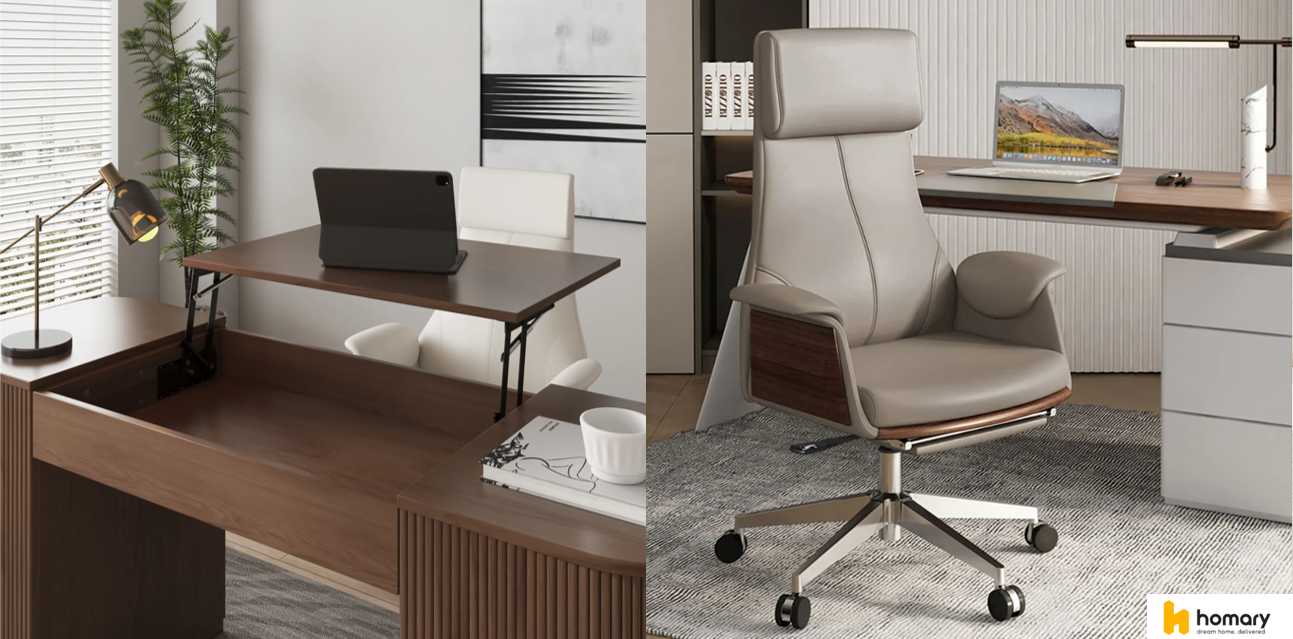
One of the easiest ways to improve your child’s sitting posture is to invest in adjustable office furniture. Desks and chairs that can be customized to your child’s height help maintain the proper distance between their eyes and the desk surface, preventing them from leaning too close while reading or writing. As your child grows, you can easily adjust the height to keep everything ergonomic. This not only supports healthy habits for kids, but also makes studying more comfortable and enjoyable, reducing complaints about back or neck pain during homework time.
2.Proper Back Support
Children’s spines are still developing, which means extra care should be taken to support their lower back. A simple way to do this is by adding a small cushion or a lumbar pillow behind your child’s waist. This gentle support encourages the natural S-curve of the spine, preventing slouching and long-term strain. If you notice your child leaning forward often, try adjusting the chair depth or providing a chair with built-in lumbar support — a small change that can make a big difference in posture and comfort.
3.Adequate Lighting
Lighting plays a bigger role in posture than most parents realize. When the light is too dim, children tend to hunch over their books or screens to see better, increasing eye strain and neck pressure. Set up their study area near a window for natural light during the day, and use an adjustable desk lamp with soft white light for evening study sessions. Keeping the environment bright and comfortable helps your child maintain an upright position naturally and stay focused longer without fatigue.
Bad posture doesn’t just affect appearance — it can influence your child’s long-term health, confidence, and focus. Building healthy habits for kids starts with something as simple as how they sit every day.
If you found this guide helpful, stay tuned! More practical science-based parenting tips are coming soon to help your child grow stronger and healthier.