

This Earth Day, Sustainability Starts at Home
Earth Day 2026 carries a clear message: Our Power, Our Planet. It’s a reminder that meaningful environmental change doesn’t begin at scale—it starts with individual choices. When those small decisions are multiplied across millions of homes, they create real, measurable impact.
And that’s exactly why home is the best place to begin. It’s where daily habits form, where purchasing decisions accumulate, and where long-term consumption patterns take shape. The good news? Sustainable living at home doesn’t require perfection. You don’t need to replace everything overnight. What matters is starting with what’s realistic—and building from there, step by step.
The 3 Rules of Smart Sustainable Living in 2026
Before making any upgrades, it’s worth rethinking how you approach buying decisions. In 2026, sustainability isn’t about chasing trends—it’s about making smarter, more informed choices.
Buy less, but better. Instead of filling your home with multiple short-lived items, focus on fewer, higher-quality pieces. This simple shift reduces waste and eliminates the constant cycle of replacement.
Choose longevity over trends. Design trends come and go, but well-made furniture with timeless appeal stays relevant. Pieces built to last don’t just look better over time—they reduce the need for frequent upgrades.
Look for verified materials. Not all “eco-friendly” claims are equal. Certifications like FSC or low-VOC finishes offer tangible proof of sustainability. In a market full of vague promises, transparency matters.
10 Easy Upgrades That Actually Make a Difference
Sustainable living can sound overwhelming—but in practice, it’s often surprisingly simple. The most effective changes aren’t dramatic; they’re intentional. A few well-chosen upgrades can quietly improve how your home functions, while reducing long-term environmental impact.
Reduce Fast Furniture Purchases
Fast furniture can be tempting, especially when trends shift quickly. But pieces designed for short-term use often end up being replaced just as quickly. A more sustainable approach is to slow that cycle down. Choosing furniture that feels timeless rather than trend-driven gives your home more consistency—and significantly reduces waste in the long run.
Switch to FSC-Certified Wood Furniture
One of the easiest ways to make a more responsible choice is to pay attention to materials. Replacing low-quality or unknown-source wood with FSC-certified options ensures that what you bring into your home supports responsible forestry practices. It’s also a practical upgrade—solid wood furniture tends to age better, both structurally and visually, which means you’re less likely to replace it anytime soon.
Choose Multi-Functional Furniture
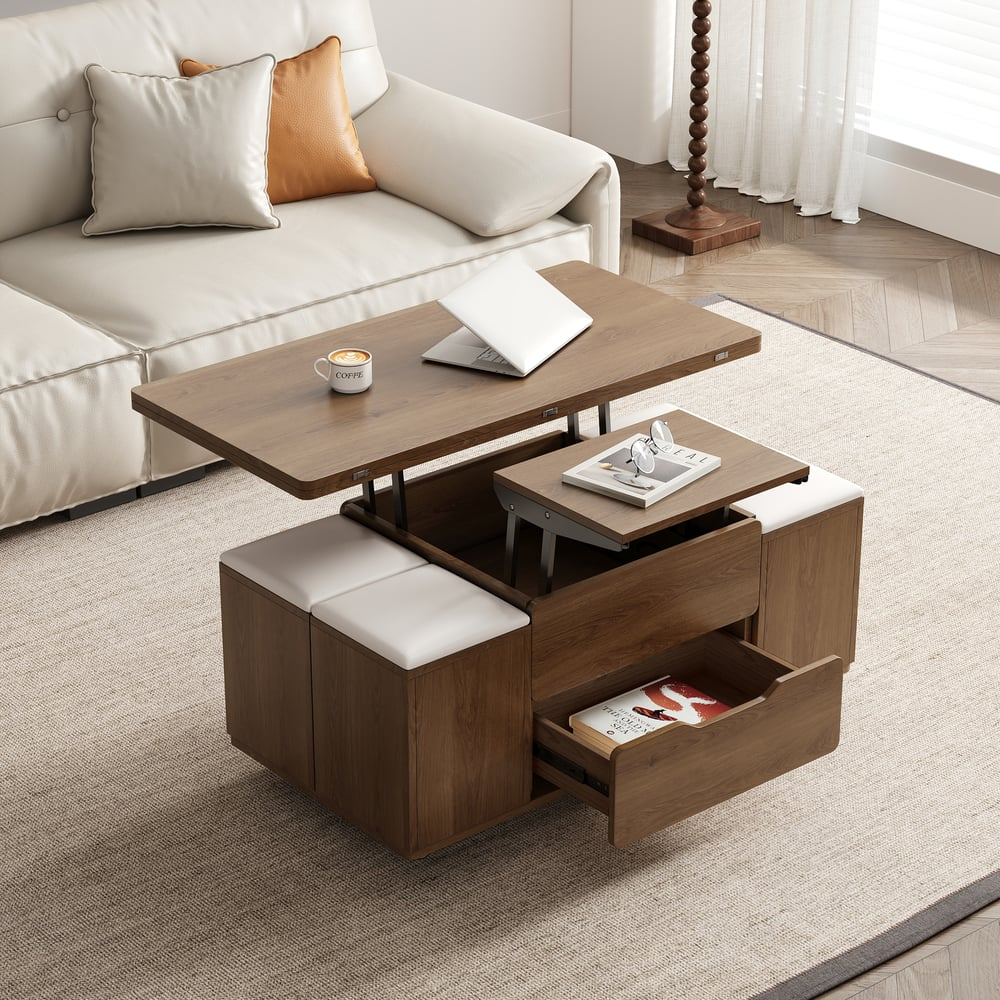
If a single piece can serve multiple purposes, you’re already reducing how much you need to buy—and that’s a smart move. Multi-functional furniture is especially useful in modern homes where flexibility matters. A piece like a coffee table with storage and lift top isn’t just about saving space; it adapts to your daily routine, whether you’re working, relaxing, or hosting. Over time, that kind of versatility naturally reduces excess.
Upgrade to LED Lighting
Lighting is one of the quickest wins. LED solutions use less energy and last significantly longer, making them both efficient and low-maintenance. What’s changed in recent years is how seamlessly they integrate into design. Features like LED wall art for living room show that lighting can enhance both function and atmosphere at the same time.
Invest in Long-Lasting Upholstery
We’ve all experienced furniture that doesn’t hold up as expected. Choosing higher-quality upholstery from the start changes that dynamic. Durable fabrics not only maintain their appearance longer but also reduce the need for frequent replacements. It’s a quieter kind of sustainability—less visible, but far more impactful over time.
Add Natural Materials
Natural textures like wood, rattan, and linen have a way of grounding a space. They add warmth without overwhelming the design, and they tend to age better than synthetic alternatives. Even small additions can shift the overall feel of a room toward something more balanced and intentional.
Optimize Small Spaces
Sustainability doesn’t always mean buying better products—it often means making better use of what you already have. When a space is thoughtfully organized, it naturally reduces the need for extra furniture and avoids unnecessary consumption.
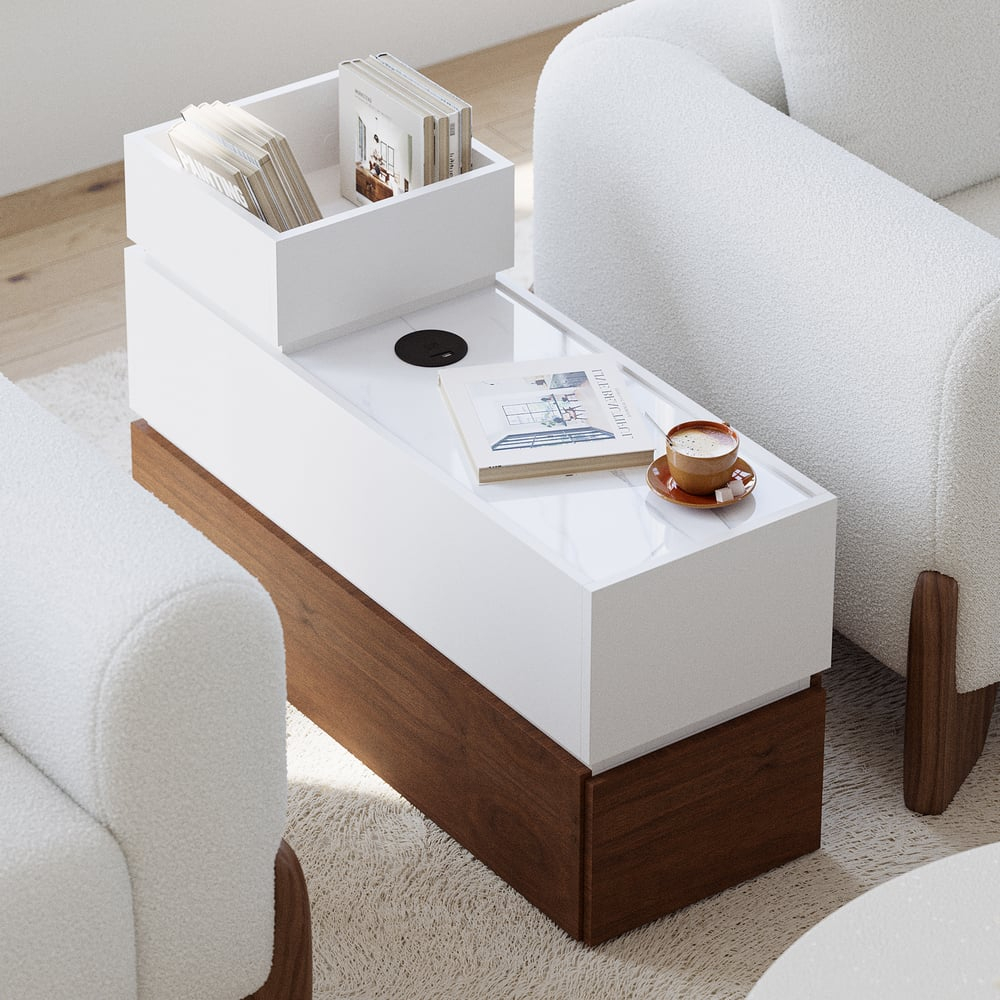
Instead of filling gaps with additional items, focus on improving functionality within existing layouts. A side table with storage for living room is a good example of this kind of thinking. It keeps everyday essentials within reach while reducing visual clutter, making the room feel more functional without adding excess.
Use Modular Storage Systems
Homes evolve, and your furniture should be able to keep up. Modular storage systems offer that flexibility. Instead of replacing entire units when your needs change, you can simply adjust or expand what you already have. It’s a practical way to extend the life of your furniture while keeping your space adaptable.
Rethink Everyday Textiles
Textiles are everywhere in the home, yet often overlooked. Choosing materials like organic cotton or linen—especially for items you use daily—adds up over time. It’s a subtle shift, but one that contributes to a healthier, more considered living environment.
Install Low-Flow Fixtures
Not every upgrade needs to be visible to make an impact. Switching to low-flow fixtures is one of those behind-the-scenes changes that quietly improves efficiency every day. You’re reducing water usage without changing how the space functions, which makes it one of the easiest upgrades to implement without disruption.
Where to Start (If You Do Just One Thing)
If you’re unsure where to begin, focus on high-impact, low-effort upgrades:
- Lighting: Switching to LED solutions is one of the fastest ways to reduce energy use
- Storage: Smarter storage reduces clutter and unnecessary purchases
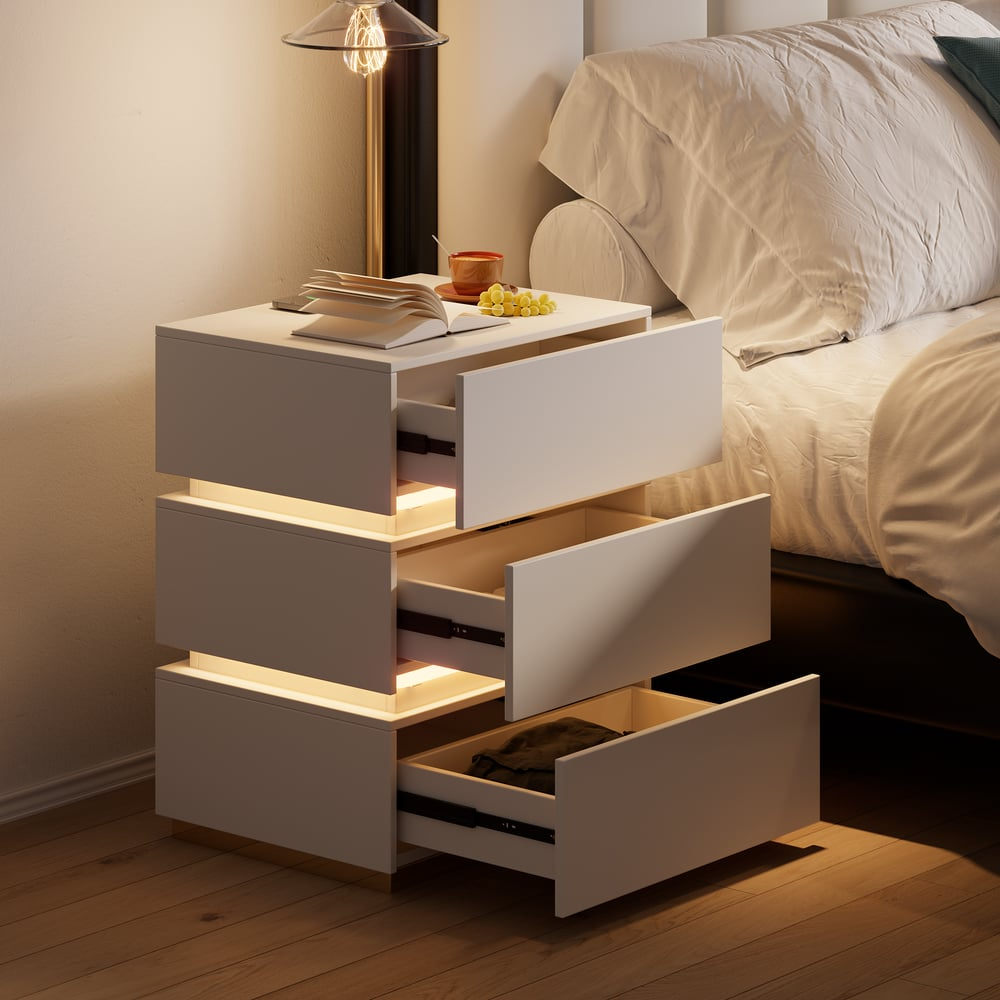
For example, integrating a piece like the Lumio 3-Drawer LED Smart Nightstand with Light combines energy-efficient lighting, storage, and long-term usability—a practical entry point into sustainable living.
Sustainable Doesn’t Mean Sacrificing Style
There’s a common assumption that sustainable interiors feel minimal to the point of being impersonal. In reality, today’s design trends suggest the opposite.
Styles like Japandi, modern minimalism, and nature-led interiors are all rooted in the same principles: simplicity, quality, and intentionality. Clean lines, natural materials, and neutral palettes create spaces that feel calm and cohesive—without relying on excess.
The key shift is this: instead of adding more, you choose better. And when each piece is considered, the overall space feels more refined, not less.
How to Tell If Furniture Is Truly Sustainable
With sustainability becoming a major selling point, it’s important to look beyond surface-level claims.
Certifications are a good starting point. FSC-certified wood and OEKO-TEX textiles offer credible assurance that materials meet certain environmental standards. But beyond that, transparency matters just as much. Clear material descriptions and visible sourcing practices are strong indicators of a brand’s reliability.
It’s also worth being cautious of vague language. Terms like “eco-friendly” or “green” don’t mean much without context. The more a brand explains how and why a product is sustainable, the more trustworthy it tends to be.
How to Shop Sustainable Furniture (Without Overpaying)
One of the biggest misconceptions is that sustainable furniture is always more expensive. In reality, it depends on how you evaluate cost.
Looking at lifecycle value rather than upfront price changes the equation. A well-made piece that lasts ten years is often more cost-effective than replacing cheaper alternatives every few years.
It also helps to compare value beyond price alone—materials, construction quality, and functionality all play a role. Multi-functional furniture, for example, can reduce the need for additional purchases, making it a smarter long-term investment.
The goal isn’t to spend more—it’s to spend more thoughtfully.
Build a Home That’s Better for You—and the Planet
Sustainability and comfort are not opposing goals. A well-designed home can deliver both—functional, beautiful, and responsible.
This Earth Day, the most meaningful step isn’t doing everything—it’s doing something. Start with one upgrade, make it count, and build from there.
If you’re ready to move forward, explore pieces designed with durability, functionality, and modern living in mind.