

Are you tired of furniture that only looks good in photos?
We’ve all been there. We fall in love with a stunning piece of furniture online, imagining the perfect, Pinterest-ready life it promises. But then reality hits—the spills, the scratches, the unexpected crowd, the realization that your "statement" chair is breathtakingly uncomfortable. That little voice in your head whispers, “But will it survive my actual life?”
If you’re nodding along, you’re not just shopping for furniture—you’re shopping for peace of mind. You want a home that feels both beautiful and lived-in, a space that hosts your life without falling apart. This isn't about chasing a seasonal trend; it's about finding timeless partners that work with you, day in and day out. This shift in thinking is exactly why platforms like Homary are gaining such a loyal following, offering what we call design-led practicality. For a great example of this philosophy in action for hosting season, you can see a curated list of Homary's essential furniture choices for winter entertaining, which was recommended by The Independent, a British online newspaper.
So, how do you spot these life-proof gems in a sea of options? Let's move beyond the pretty pictures and dive into the how and why. Grab your favorite drink, and let’s talk about building a resilient, joyful home, one smart choice at a time.
Why Should Your Furniture Be Smarter Than a Season's Trend?
Think about the furniture that frustrates you. Is it the table that stains if you look at it wrong? The shelving that wobbles? The trendy piece that feels "off" after a year? The problem often starts with buying for a fleeting moment, not for the long haul.
Truly great living room furniture, for example, isn’t just about filling space. It’s about creating a foundation for your life. It means choosing a sofa that’s as comfortable for Tuesday movie nights as it is for hosting book club, in a fabric that doesn’t send you into a panic over a little red wine. It’s about selecting an extendable coffee table with storage, that offers hidden storage for clutter, not just a surface to hold it.
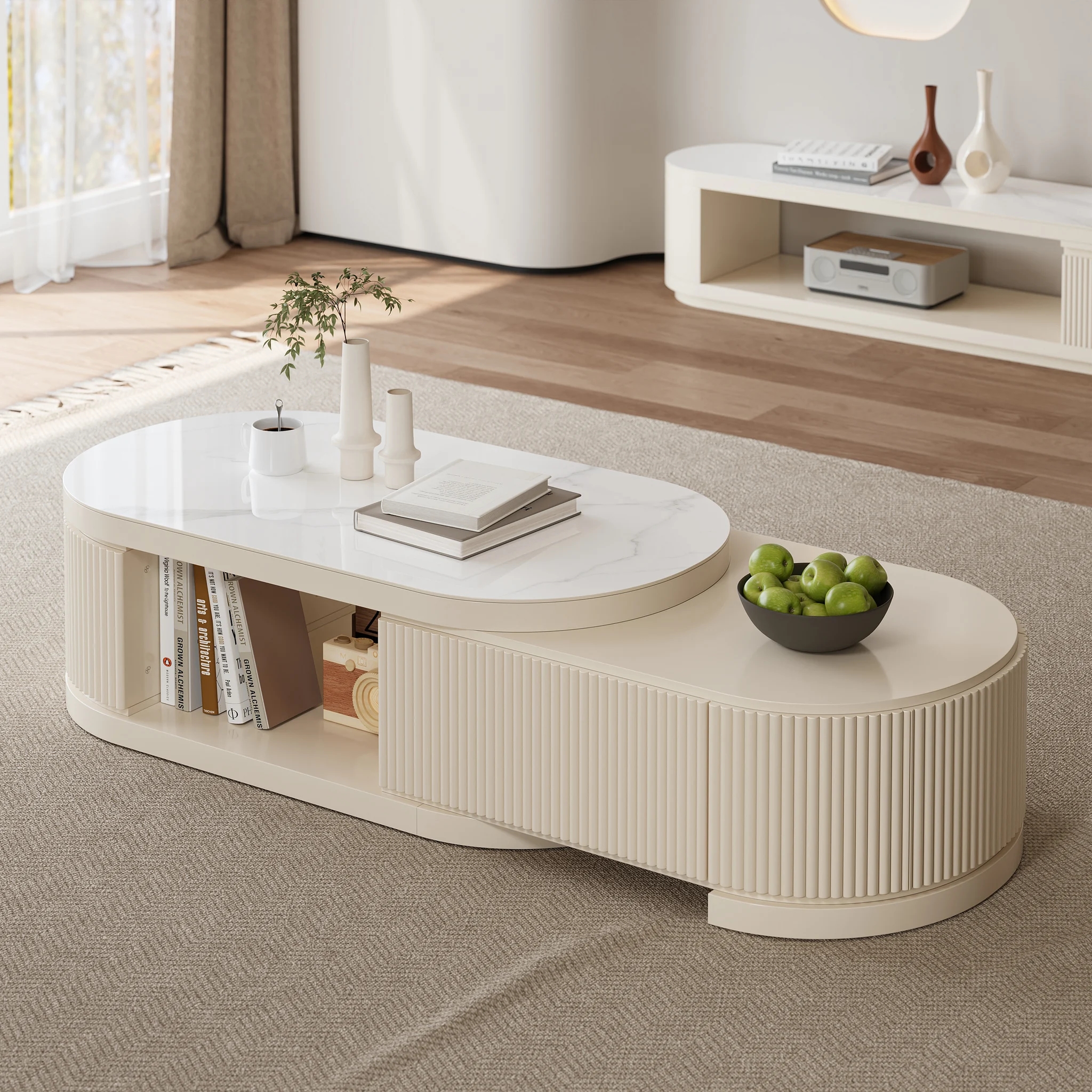
This mindset shift—from decoration to durable design—is what makes brands that focus on multifunctional furniture so valuable. They understand that your home needs to adapt. The goal isn't a showroom; it's a sanctuary that can handle real, messy, wonderful living.
What Does "Quietly Smart" Furniture Actually Look Like?
"Smart" furniture doesn't have to mean tech-covered or overly complex. It's about thoughtful design that solves problems before you even have them. It’s the intelligence built into the form.
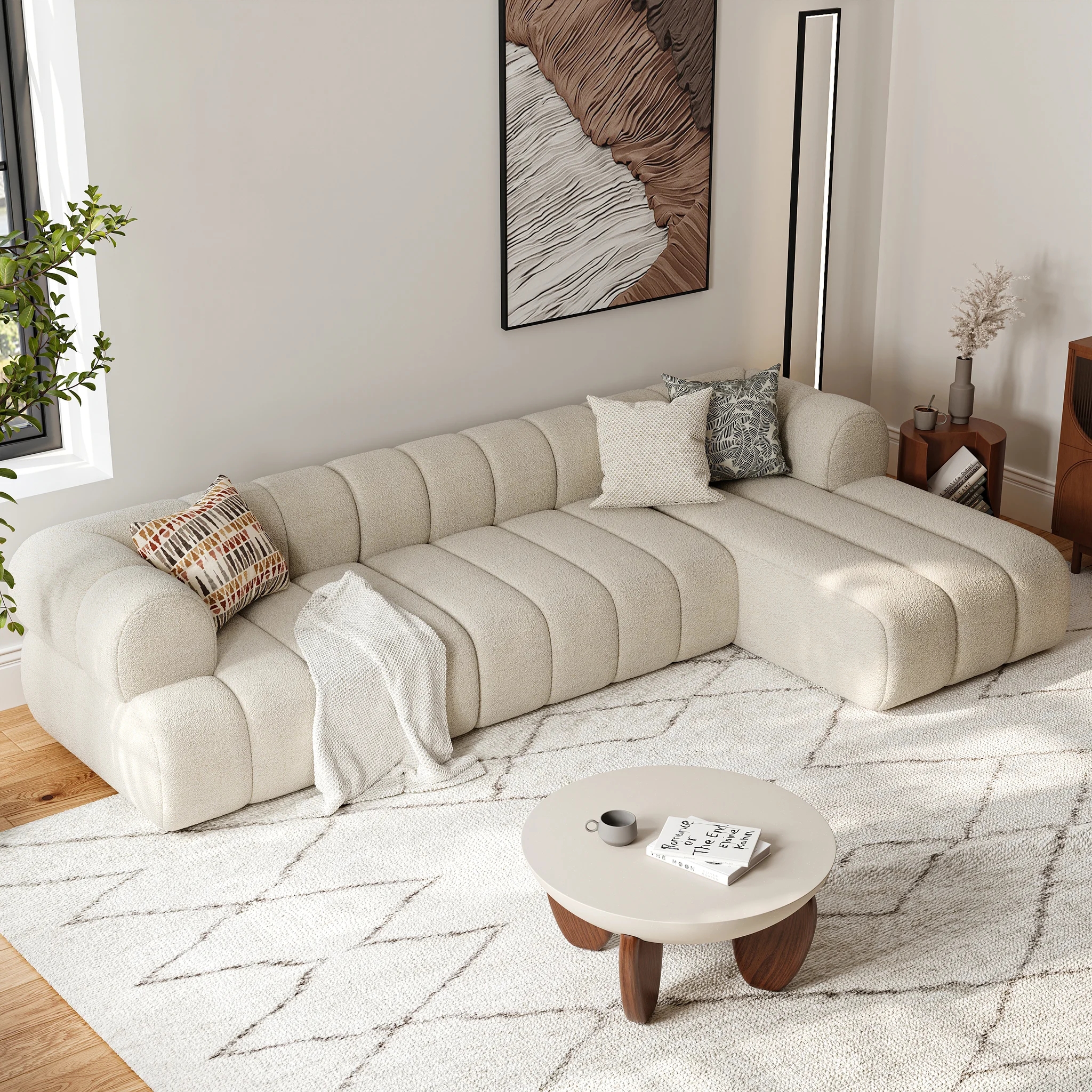
Let’s take your living room. When you’re looking at a sofa or sectional, don’t just check the color. Ask: Is the cushion filling high-resilience foam that will bounce back year after year? Does the frame have a reinforced hardwood construction? For fabrics, look for performance materials labeled as stain-resistant or easy-clean. A beautiful, durable velvet or textured weave can offer both luxury and practicality.
Now, consider the hero of many living rooms: the coffee table. A "quietly smart" version might be something like an extendable stone-top table. Look for one with a sintered stone surface that laughs at heat rings and red wine. The real magic? A smooth, extendable leaf that glides out to offer extra surface area for game nights or buffet spreads, and discreet drawers that swallow remote controls, coasters, and the never-ending pile of magazines. With one piece, you’ve added storage, durability, and flexibility.
How Can You Decode the "Material Language" on a Product Page?
The product description is your secret decoder ring. Learning a few key terms can help you spot quality and durability from a mile away.
- Frames & Bones: Look for solid wood (like oak, walnut, or rubberwood) or kiln-dried hardwood. These terms signal stability and longevity, meaning your armchair won’t start wobbling in six months. Avoid vague terms like "wood composite" or "engineered wood" for primary structural pieces unless they’re explicitly high-quality.
- Surfaces & Tops: For tables, consoles, and cabinets, sintered stone, quartz, or sealed solid wood are your best friends. They are scratch-resistant, heat-resistant, and easy to wipe clean. This is crucial for dining tables and side tables that see daily action.
- Fabrics & Upholstery: Beyond "polyester," seek out specifics. Performance velvet, crypton fabric, or treated linens are designed to repel stains and moisture. For leather, "full-grain" or "top-grain" indicates better quality and natural aging than "bonded leather."
When you see these terms, you’re looking at furniture designed for reality. It’s the difference between a piece that deteriorates and one that develops a dignified patina over time.
Where Should You Invest in "Timeless Form" Versus "Fleeting Fashion"?
Trends are fun for accessories, but your foundational furniture should be a steady anchor. This is where the concept of a timeless design comes in.
Ask yourself: "Will I still love the fundamental shape of this sofa or dining table in 5 or 10 years?" To find the answer, focus on classic silhouettes. Look for a sofa with clean lines and balanced proportions rather than an exaggerated, trendy shape. Choose a dining table with a simple, sturdy pedestal or leg design over something overly ornate.
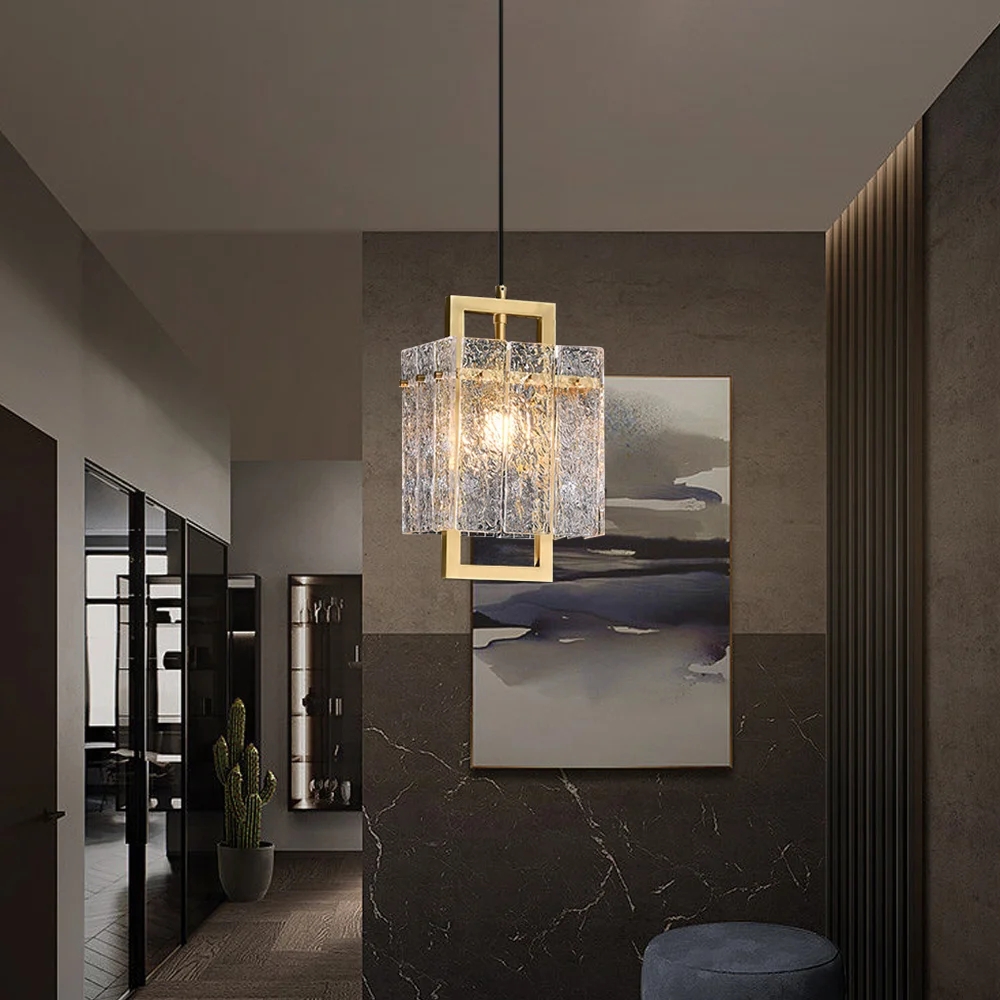
This is also where statement lighting can play a perfect role. A sculptural chandelier or a beautifully designed floor lamp with a classic silhouette—think a sleek arc or a timeless column—can define a room’s aesthetic without dating it. You can then inject all the personality and seasonal color you want through easily changeable items: throw pillows, blankets, rugs, and art. Let your big-ticket items be the reliable canvas, and your accessories be the ever-evolving paint.
When Does "Multifunctional" Design Become a True Game-Changer?
Multifunctional doesn't have to mean a sofa that turns into a spaceship. It’s about seamless adaptability that matches how you live.
In the living room, this could be a storage ottoman that offers extra seating, a place to prop your feet, and hidden space for blankets. It could be a console table behind the sofa with drawers for board games or tech accessories, keeping surfaces clear.
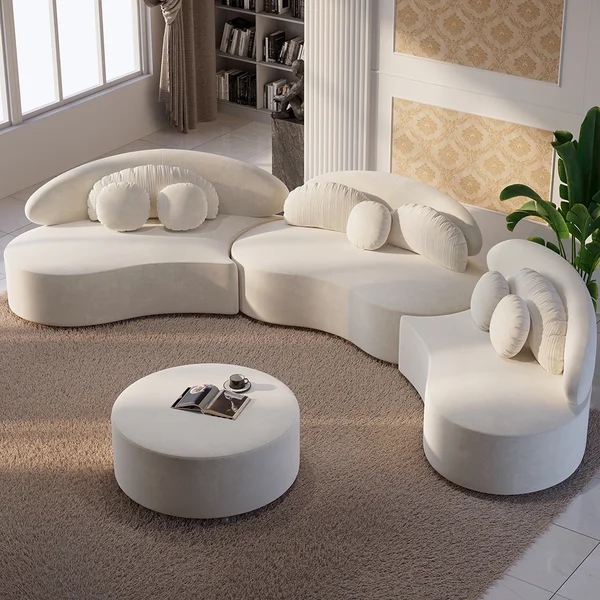
The ultimate example? A modular sectional. The ability to rearrange sections to fit a new layout or accommodate more guests is the pinnacle of flexible, future-proof design. It’s furniture that evolves with your life, not against it.
Who Benefits Most from Choosing Furniture This Way?
In short, everyone who lives in and loves their home. But especially:
- The Busy Host: Who needs surfaces that can withstand a party and storage to hide the pre-guest clutter in 30 seconds flat.
- The Growing Family: Who needs durability against spills, toys, and the general beautiful chaos of childhood.
- The Space-Savvy Urban Dweller: Who needs every piece to earn its square footage by offering multiple uses.
- The Mindful Spender: Who sees furniture as a long-term investment in daily comfort and joy, not a disposable seasonal purchase.
The Takeaway: You’re Building a Home, Not a Showroom
Choosing furniture this way is an act of self-care. It’s an investment in less stress, more comfort, and the freedom to actually live in your space. It’s about creating a home that tells your authentic story—crumbs, laughter, cozy nights, and all.
Start by applying just one of these principles to your next search. Maybe you’ll look for that extendable coffee table with stone top, or decide your next sofa must be in a performance fabric. Small, intentional choices add up to a home that is truly, resiliently yours.
What’s the one feature you now realize you can’t live without in your furniture? Share your top tip or your biggest furniture victory in the comments below—let’s learn from each other’s real-life experiences.