

Kitchen islands are a coveted design feature, and for very good reason. Almost all modern kitchen remodels involve the installation of a kitchen island. The rest of the space is often designed around this central feature. One reason that kitchen islands are so popular is their many potential uses. Kitchen islands are the place for morning coffees and chats with the kids, somewhere homework is completed, and a gathering spot for party guests. Above all else, a kitchen island should be a functional feature that’s big on practicality and equally impressive in terms of looks.
Introducing a kitchen island to your space delivers so many potential benefits. This new addition can transform your kitchen and even add value to your home. But you need to shop smart to enjoy all of these exciting promises. Here, we’ll explain the key considerations to keep in mind when selecting a kitchen island, to help you make the perfect choice for your home.
Enhance Your Kitchen Without Overwhelming the Space
There’s an extremely fine line between installing a kitchen island to improve your space and unintentionally dominating it. One mistake so often made when shopping for kitchen islands is to overlook the kitchen island size guide information. Ensuring you choose a kitchen island that seamlessly fills a void in your kitchen, but doesn’t overwhelm the space, is a vitally important consideration when shopping for your new kitchen island.
A kitchen island that feels too large for the space will disrupt the flow of your kitchen. This in turn impacts the usability of the space. When measuring for your kitchen island, consider the positioning of other fixtures in your kitchen to ensure there’s enough clearance to easily pass between. You will also need to allow more space for the opening of cabinet doors and the doors of appliances, such as your oven, refrigerator, and dishwasher. A clearance of around 40 inches (1016 mm) is a safe figure to aim for to avoid your kitchen feeling congested and will allow easy access to the rest of your kitchen.
Address Your Current Kitchen Woes
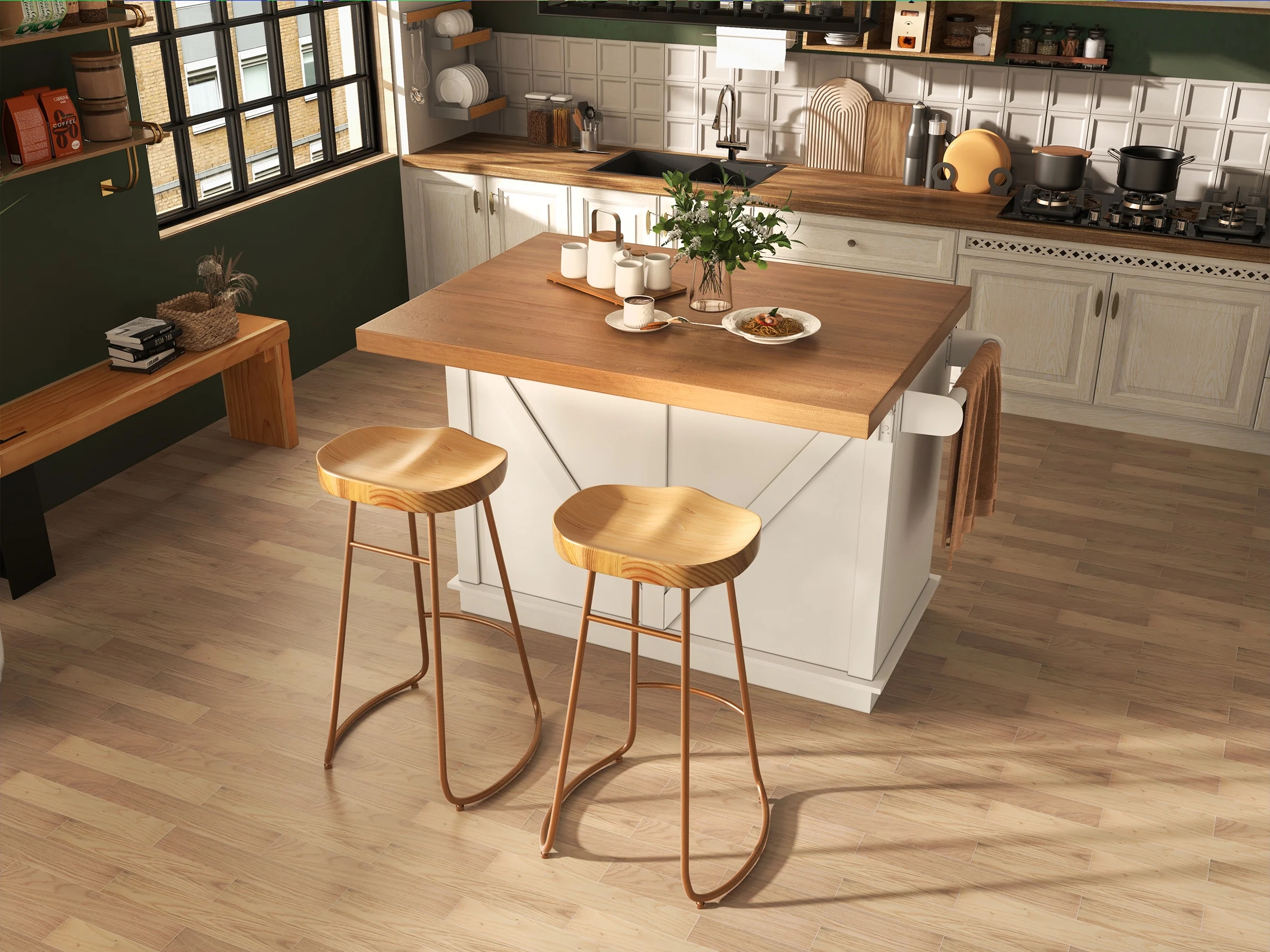
Choosing a new kitchen island is the perfect opportunity to address many of those kitchen-related issues that you face each day. Your current kitchen design may have felt perfect when you first chose it. But in hindsight you may now be reflecting on your kitchen’s limitations. Maybe you find yourself frustrated by the lack of countertop space each day when you’re preparing meals, or perhaps you long for somewhere to sit in the kitchen to enjoy your morning coffee in peace. Now, you have the ideal opportunity to fix many of these issues.
Your kitchen island has the potential to become the single most-used space in your entire kitchen. So, it’s essential to consider how you can use this new addition. By taking some time to note down all the things that you feel are missing from your current kitchen design, you can seize the opportunity to right these wrongs and significantly increase the functionality of your kitchen.
By maximizing the opportunities that a new kitchen island offers, you can introduce so many new features to your kitchen setup. These include increased countertop space, a new seating area, and extra storage. All these exciting enhancements can be made by simply introducing a kitchen island, rather than completely ripping out your old kitchen and redesigning it.
Consider Your Kitchen Island Must-Haves
If you have spent more hours than you can remember scrolling through Pinterest in awe of images of seriously impressive kitchens, you’re not alone. In fact, you can consider it essential research for choosing your new kitchen island. The best kitchen islands are the ones that are born out of a well-thought-out design that are tailored to perfectly address the homeowner’s needs.
As mentioned above, understanding how you can address your common kitchen annoyances with help from your new kitchen island is one thing. But it’s also your chance to dream a little and consider precisely what you want your kitchen island to offer. To choose your own Pinterest-worthy kitchen island, you need to select the must-have design features that will allow it to enhance your space.
Essential Kitchen Island Considerations for Small Spaces
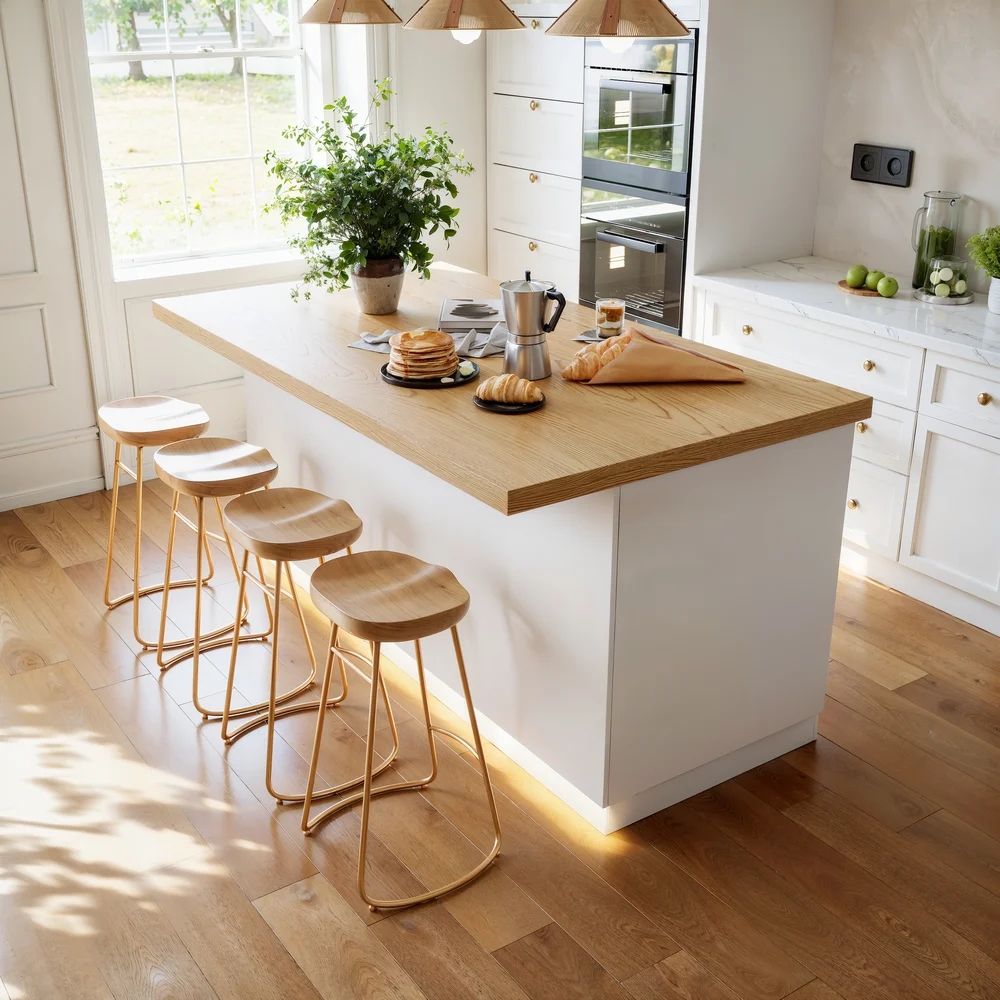
Having a smaller kitchen can make introducing a kitchen island to your space feel like an impossible dream. However, there’s no need to let go of your hopes for a kitchen island just yet. We have plenty of small kitchen island ideas to help you make your vision a reality.
While many kitchen islands are available in a choice of sizes and shapes, but as standard, these are often around 70 inches (1778 mm) in size. A kitchen island of this size will easily dominate a smaller space and leave very little clearance in the surrounding area to open parallel cabinets. To overcome this issue, we offer small kitchen islands that are perfectly proportioned and measure just 50 inches (1270 mm). Our Japandi Style Wood Kitchen Island is a prime example of a kitchen island that is small in size but still packed with practical features. This small kitchen island offers a large amount of storage space for your kitchen and dining essentials, while also providing a countertop overhang to allow for seating.
Dimensions | Japandi Style Wood Kitchen Island 50” (1270 mm) | Japandi Style Wood Kitchen Island 72” (1829 mm) |
Overall width | 50” (1270 mm) | 72” (1829 mm) |
Overall depth | 30” (762 mm) | 30” (762 mm) |
Overall height | 35” (889 mm) | 35” (889 mm) |
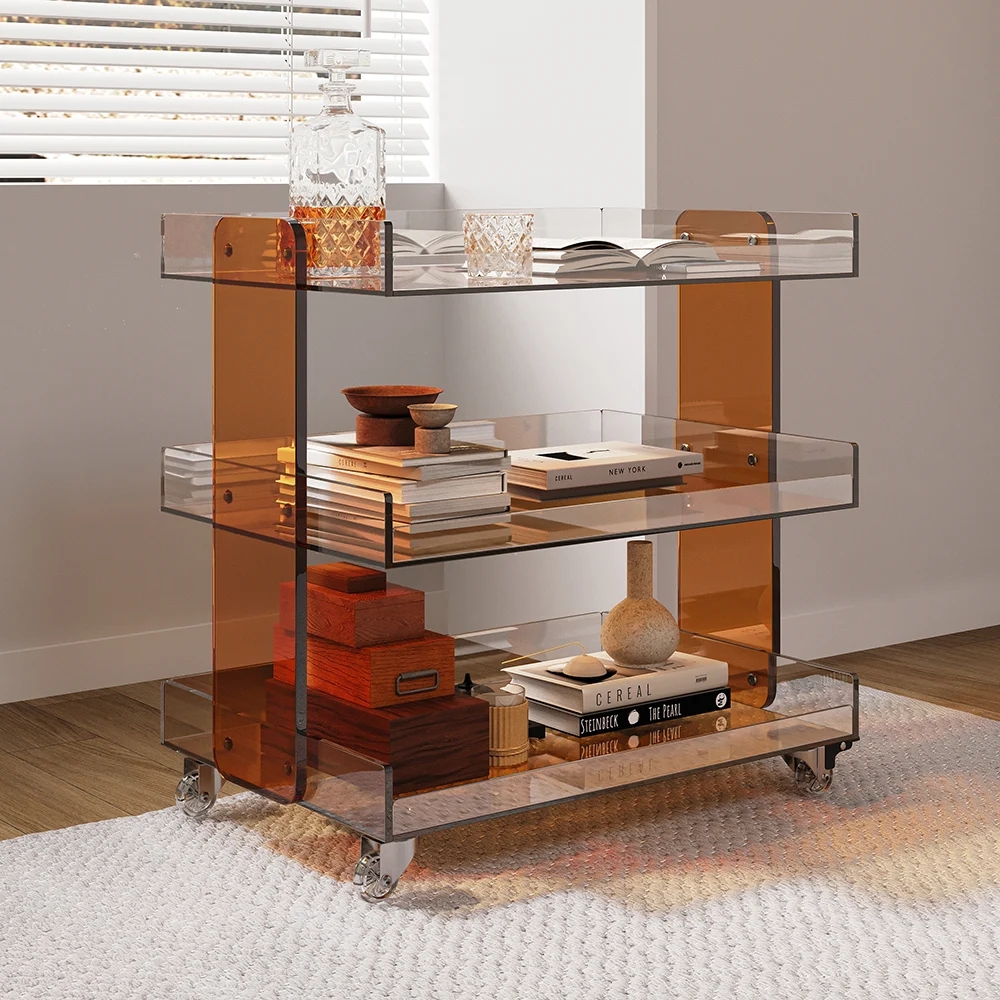
If you’re still unsure whether you have enough space in your kitchen for an island, there are alternatives to explore. Weighing up the benefits of a mobile kitchen cart vs built-in island, can provide you with the perfect solution for small spaces. A kitchen cart, such as this Modern Acrylic 3-Tier Bar Cart, is a flexible alternative option. Kitchen carts offer valuable surface space and storage, with the added benefit that they can be moved easily around the room as and when needed. This level of mobility is especially convenient when you are short on space in your kitchen.
Enhance Your Kitchen Aesthetic
Whatever size your kitchen is, making it look its best is a must. The appearance of a kitchen can make or break a home, and it is one room that can either attract or repel potential buyers if you choose to list your property in the future. Leading home and interiors website, The Spruce, states that modern and upgraded kitchens always attract potential buyers and, crucially, always add value to your home. So, investing in a new kitchen island to enhance your kitchen area will provide a healthy return.
Beyond thinking about the possibility of selling your home in the future, it’s helpful to focus your attention on your preferred kitchen island aesthetic. A kitchen island has the ability to bring some powerful wow factor to your kitchen, but it also needs to integrate with your current kitchen design. So, it’s vital to choose your design with care.
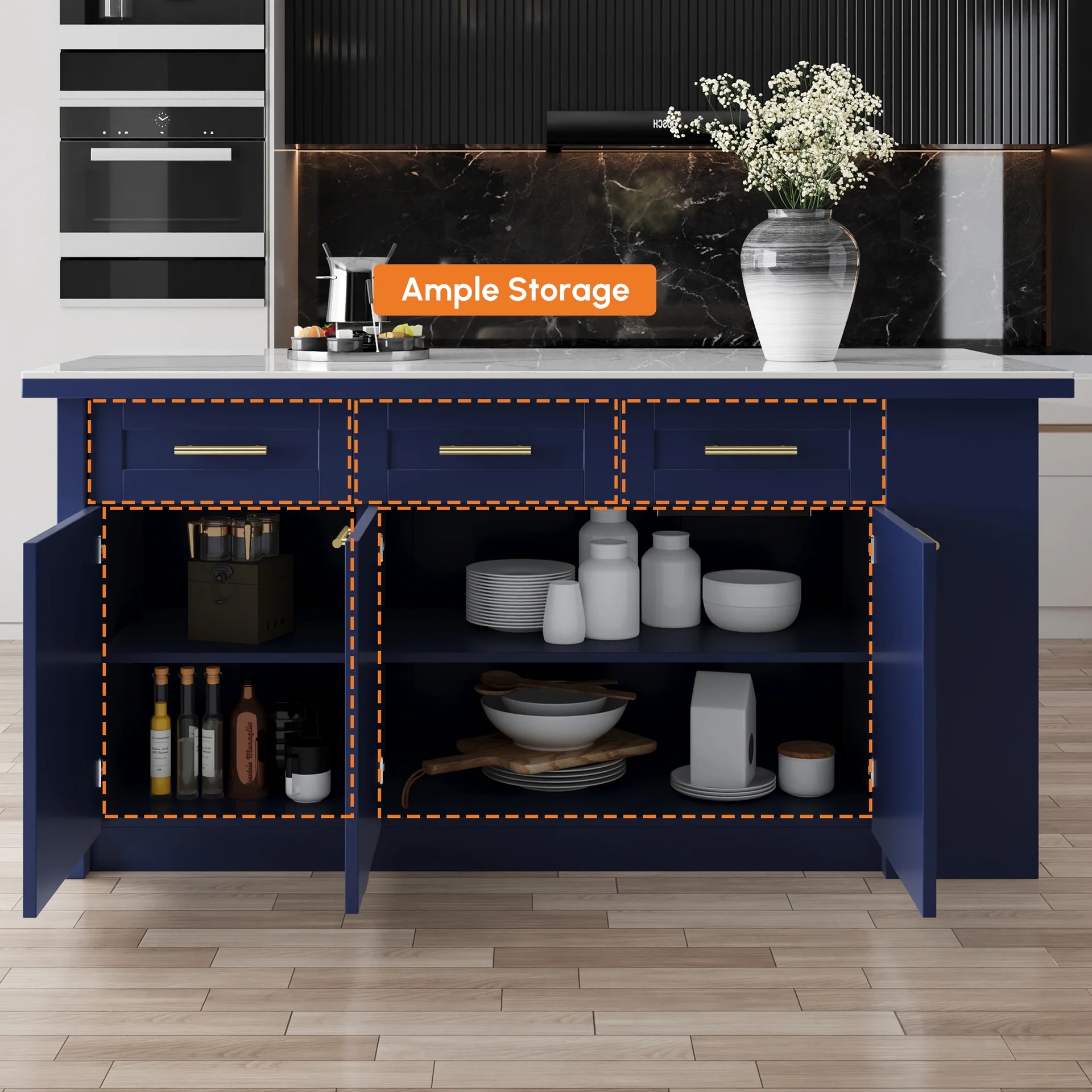
When selecting your kitchen island, you need to consider whether you want it to blend seamlessly with your existing kitchen cabinets, or to be a standalone piece that commands attention. If you’re aiming to achieve the latter, a bold color choice, such as the striking Sintered Stone Kitchen Island in Blue is a perfect choice.
To seamlessly introduce a kitchen island into your space, choose a design that matches the material, style, and finish of your existing kitchen fixtures. Start with your material choice to ensure that the kitchen island’s finish matches your current kitchen. This could be melamine, laminate, or a specific wood color, for example, walnut. The next factor to consider is the material and finish of the kitchen island’s countertop. Choose either from the same material and finish as your existing countertops, or make a statement with a contrasting material.
Make it Functional and Future-Proof
The aesthetics of your kitchen island and the appearance-enhancing benefits that it provides cannot be underestimated. However, aside from aesthetics, it’s also vital to consider the functionality of your new kitchen island. How you intend to use the kitchen island will have a significant impact on your buying choices. You need to choose a kitchen island that looks as attractive as possible, while also meeting the practical needs of your home.
When thinking about functionality, consider the individual features that will bring the most value to your home and enhance the way that you use your kitchen in the most positive way. This could involve creating a seating area that’s perfect for entertaining guests. If this is your aim, it’s vital to choose a kitchen island with seating dimensions that can accommodate your guests comfortably.
Many kitchen islands come with additional storage space. But storage should never be a one-size-fits-all decision. So, you will need to look at the configuration of the storage offered within the kitchen island to ensure that it meets the needs of your space. This could involve ensuring that the storage features a wine rack or that multiple shelves are fitted. Considering these options while you shop for your kitchen island, rather than making them an afterthought, will help you to drill down your kitchen island options and choose a design that perfectly fits your requirements.
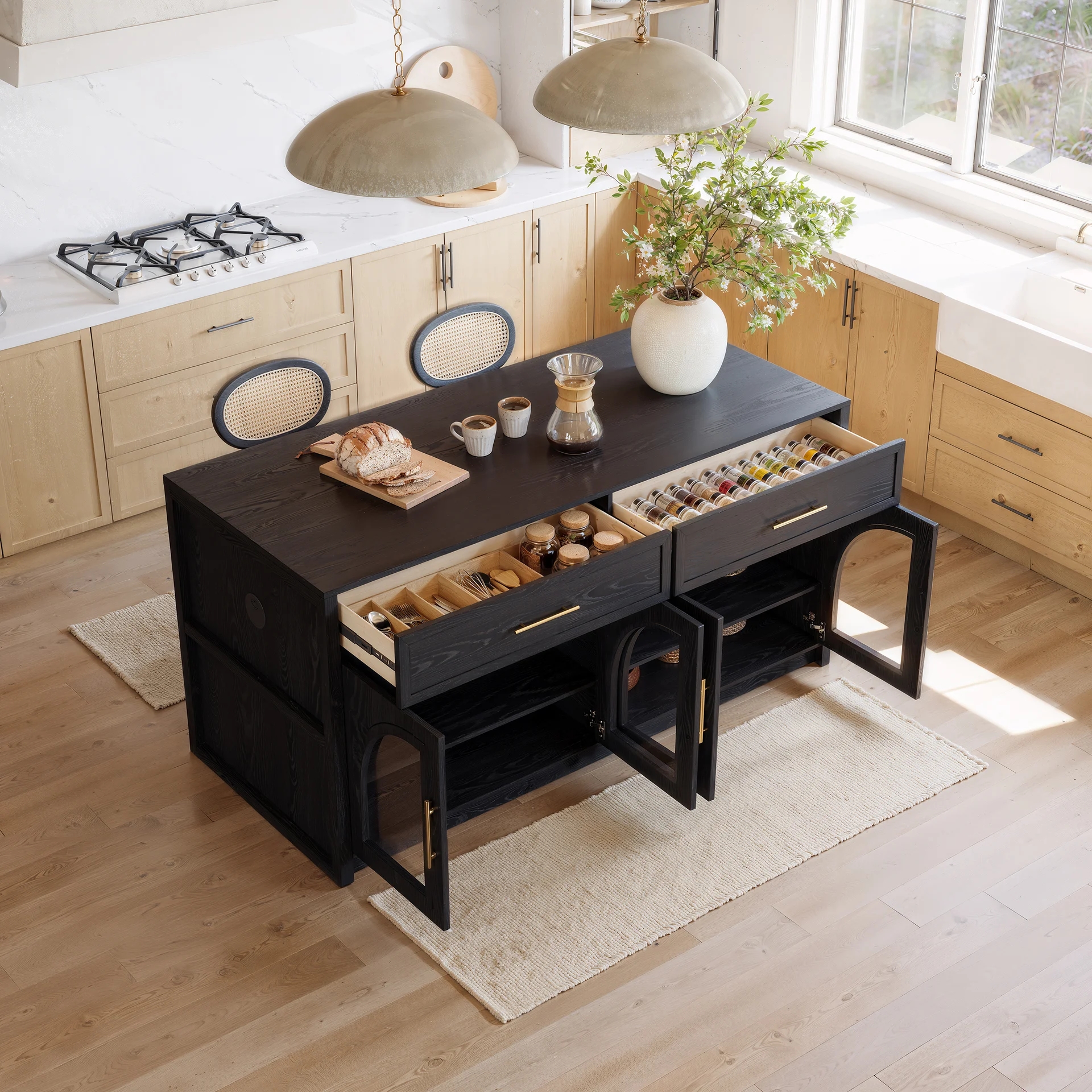
Selecting a kitchen island that meets your needs perfectly right now is essential. However, it’s also helpful to look to the future. After all, a kitchen island is an investment in your home, and as such, it needs to be capable of withstanding many years of use. Ensuring that your kitchen island will be just as practical and appealing in five years from now is vital. This is one of the reasons why assessing the functionality is so important.
Beyond the functionality of the kitchen island, another crucial factor to assess is the design and build. The kitchen is one of the busiest rooms in the home. As both a practical and social space, your kitchen is faced with significant wear and tear each day. Being mindful of this when choosing your kitchen island will help you to not only make a more informed choice, but will also enable you to focus on selecting the best quality kitchen island. Look for features such as sintered stone top countertops that are resistant to heat and scratches caused by everyday use. For added durability, choose a kitchen island that has a water-resistant or mildew-resistant finish to keep it looking like new despite many years of use.
Avoid Common Kitchen Island Mistakes
There’s much to consider when shopping for a kitchen island, but following the above tips will help you to avoid common kitchen island mistakes that can disrupt the finished look and practicality of your new kitchen island.
To avoid common kitchen island shopping mistakes, consider the following points:
- Always measure up carefully and choose a kitchen island that is in proportion to your space.
- Allow enough clearance around the kitchen island, including enough space to comfortably open doors and drawers, to prevent the room feeling cluttered and to maximize usability.
- Decide on your must-have kitchen island features, e.g., seating, before you start shopping.
- Look for durable materials to ensure that your kitchen island stands the test of time and looks like new for longer.
A kitchen island is more than just another fixture in your kitchen. Choosing the right kitchen island has the power to transform your space, enhancing its appearance and improving its functionality.
Frequently Asked Questions
Are kitchen islands suitable for small kitchens?
Yes, kitchen islands are suitable for small kitchens. Focus on keeping the kitchen island in proportion with your room size and ensure you allow enough clearance around each side to keep your space easily accessible.
Do I need to match a new kitchen island to my existing kitchen?
No, whether you match your kitchen island to your current kitchen is purely a personal choice. Many homeowners like to make their kitchen islands a standalone fixture to act as the focal point of the room.
How much space should I leave around my kitchen island?
You should aim to leave around 40 inches (1016 mm) of clearance space surrounding your kitchen island. Always check the clearance of cupboard doors and appliances so that you can be sure that you’ve allowed sufficient space when measuring for your new kitchen island.