

A wood dining table usually starts out looking perfect. The finish feels smooth, the grain stands out beautifully under natural light, and suddenly the entire dining room feels warmer and more inviting. Then real life starts happening around it. Hot coffee mugs get placed down too quickly. Laptop chargers scrape across the surface during work calls. Someone forgets a coaster during dinner with friends. Little marks slowly begin appearing over time.
The good news is that protecting wood furniture doesn’t have to mean covering it completely or treating it like a museum piece. A dining table is supposed to be used. It’s where people eat, work, host guests, help kids with homework, and spend time together every day. Learning how to protect a wood dining table is really about finding simple habits and smart furniture choices that help it age beautifully instead of wearing out too quickly.
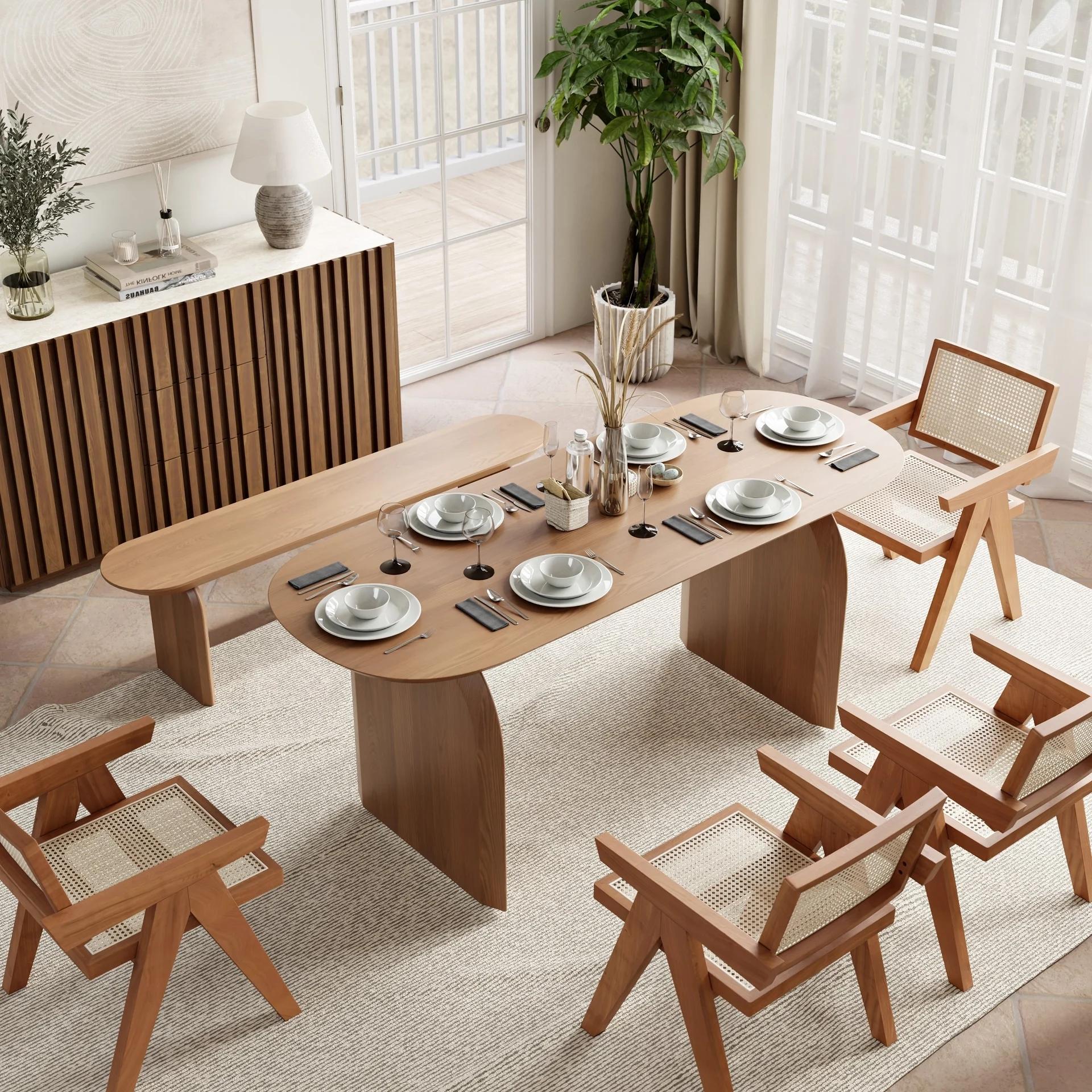
Source: Homary
Why Wood Dining Tables Need Protection in Modern Homes
Wood furniture tends to age alongside the home itself. It’s part of what makes it feel so personal over time. But dining tables also deal with constant daily use. So without a little care, even high-quality surfaces can start looking worn much faster than most homeowners expect.
Why solid wood ages differently from cheaper materials
There’s a reason solid wood dining tables still feel more premium than cheaper flat-pack alternatives. Real wood develops character over time. The grain changes slightly with age, the finish softens a little, and the table slowly starts reflecting the life happening around it. Small imperfections can actually make solid wood feel warmer and more lived in rather than worn out.
On the other hand, cheaper veneer tables usually age very differently. Once the top layer gets scratched or chipped, the damage tends to stand out immediately because there isn’t much material underneath to blend naturally with the surface. That’s one reason people start researching how to protect a wood dining table long before any visible damage appears. They’ve realized that they need to protect their investment if they want to keep it looking the best.
Why dining tables experience more daily wear than most furniture
Dining tables go through far more than people sometimes realize. Hot plates get dropped down without mats. Cold drinks leave condensation rings. Kids drag homework folders across the surface while someone else is working remotely beside them with a laptop charger tangled around coffee mugs and notebooks.
And then there’s entertaining. One dinner party can mean wine spills, serving trays, candles, sharp cutlery, and constant movement around the table. Unlike a side table or bookshelf, the dining table becomes part kitchen workspace, part office, part social hub, and part family gathering spot almost every single day.
Dining rooms also tend to hold more emotional value than many other areas of the house. Family meals happen there. Holidays happen there. Late-night conversations, birthdays, quick breakfasts before work, and casual weekends with friends all end up centered around the same surface. That’s exactly why protecting it feels worthwhile in the first place.
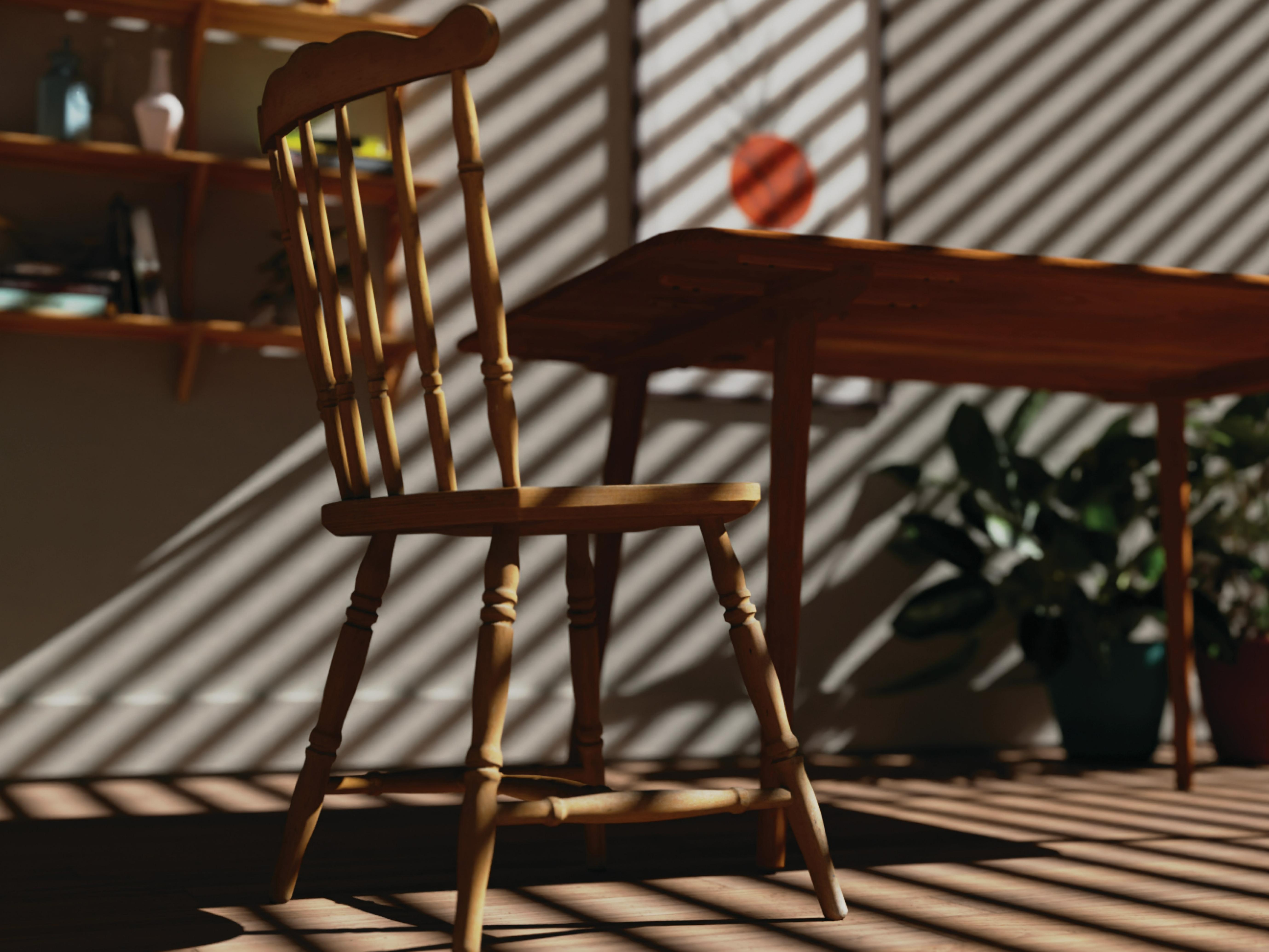
Source: Unsplash (CC0)
Choosing the Right Table Size, Finish, and Seating Setup
A lot of people focus on coasters and placemats when thinking about table protection, but honestly, the protection process usually starts much earlier than that.
The size of the table, the finish you choose, and even the way people move around the chairs can make a surprisingly big difference over time. A beautiful dining table can still end up covered in dents and scratches if the room constantly feels cramped or awkward to move through.
Size for breathing room
One of the easiest mistakes to make is choosing a table that technically fits the room but leaves barely any space around it once chairs are pulled out. Ideally, you want around 762 to 914 mm between the table edge and nearby walls or furniture. That extra space matters more than people think.
When people constantly squeeze behind chairs or brush past corners while carrying bags, plates, or laundry baskets, the table naturally takes a beating. Belt buckles scrape edges. Watches catch corners. Kids run past without looking. Giving the table proper breathing room helps reduce a lot of those accidental bumps before they even happen.
The finish makes a huge difference
The finish you choose also changes how the table handles daily life. Film-building finishes like satin polyurethane create a protective layer over the wood itself, which makes them much more forgiving around spills, hot dishes, and everyday family use. They still let the grain show through, especially in dining tables with matte finishes, but they hold up well in busy homes.
Penetrating oils like tung oil or Danish oil feel much more natural and organic because you’re touching the real texture of the wood rather than a protective coating. The trade-off is maintenance. These finishes usually need more regular care and reapplication, especially if the table sees heavy use from family dinners, working from home, or entertaining guests every weekend.
Seating arrangement matters more than people realize
Chairs can also do a surprising amount of damage over time. Armchairs that repeatedly bang into the underside of the table eventually leave hidden chips and dents that are hard to repair cleanly. That’s why it helps to choose seating that slides comfortably underneath without scraping every single time someone stands up.
If you have a busy household, matching dining benches can sometimes work even better. They reduce the constant movement of multiple chair legs and help the space feel more open and relaxed. It’s also worth thinking carefully about details like what size dining table for 4 people makes the most sense for your room because overcrowding usually leads to more wear, more friction, and far less comfort overall.
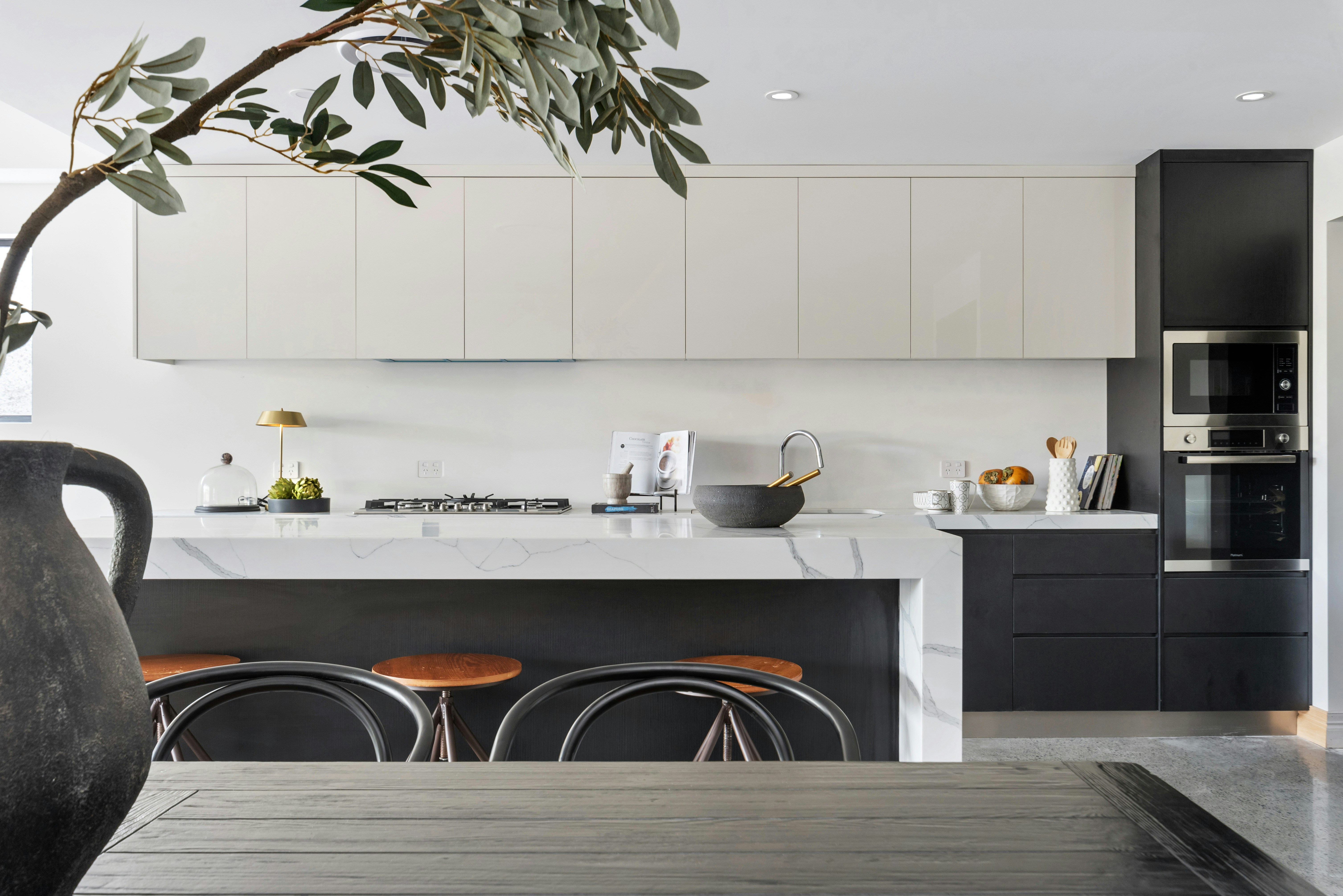
Source: Unsplash (CC0)
The Biggest Things That Damage Wood Furniture Over Time
A lot of damage to wood furniture builds slowly through small daily habits, environmental changes, and things people barely even notice happening. Once you understand the biggest causes, it becomes much easier to avoid expensive repairs later.
- Direct sunlight and UV exposure: Constant sunlight slowly changes the color of natural wood. Some woods fade, while others darken unevenly over time, especially if runners or centerpieces permanently cover certain sections.
- Humidity changes throughout the year: Wood naturally expands and contracts as humidity rises and falls. Big seasonal swings can eventually lead to warping, loose joints, or small cracks forming around seams and edges.
- High heat from cookware and drinks: Hot pans, takeaway containers, and steaming mugs can damage protective finishes surprisingly quickly. Those cloudy white heat rings usually happen when heat becomes trapped beneath the finish layer.
- Standing water and condensation: Moisture left sitting on the surface slowly seeps into tiny imperfections in the finish. Over time, this can raise the grain, stain the wood, or cause peeling around vulnerable spots.
- Dust and tiny abrasive particles: Dust acts almost like very fine sandpaper. Sliding dishes or laptops across a dusty table gradually dulls the finish and leaves faint scratches everywhere.
- Harsh chemical sprays: Strong cleaners containing ammonia, bleach, or alcohol slowly strip away protective coatings and can leave wood feeling dry, sticky, or cloudy.
- Rough or heavy everyday objects: Keys, laptops, rough ceramic plates, and metal accessories can leave surprisingly deep marks if repeatedly dragged across the surface.
- Heat vents and radiators nearby: Constant dry heat pulls moisture out of wood much faster than normal, which can eventually lead to splitting and cracking.
- Skipping regular maintenance: Oiled and waxed tables need occasional upkeep. Without it, the surface slowly loses protection and becomes far more vulnerable to stains and wear.
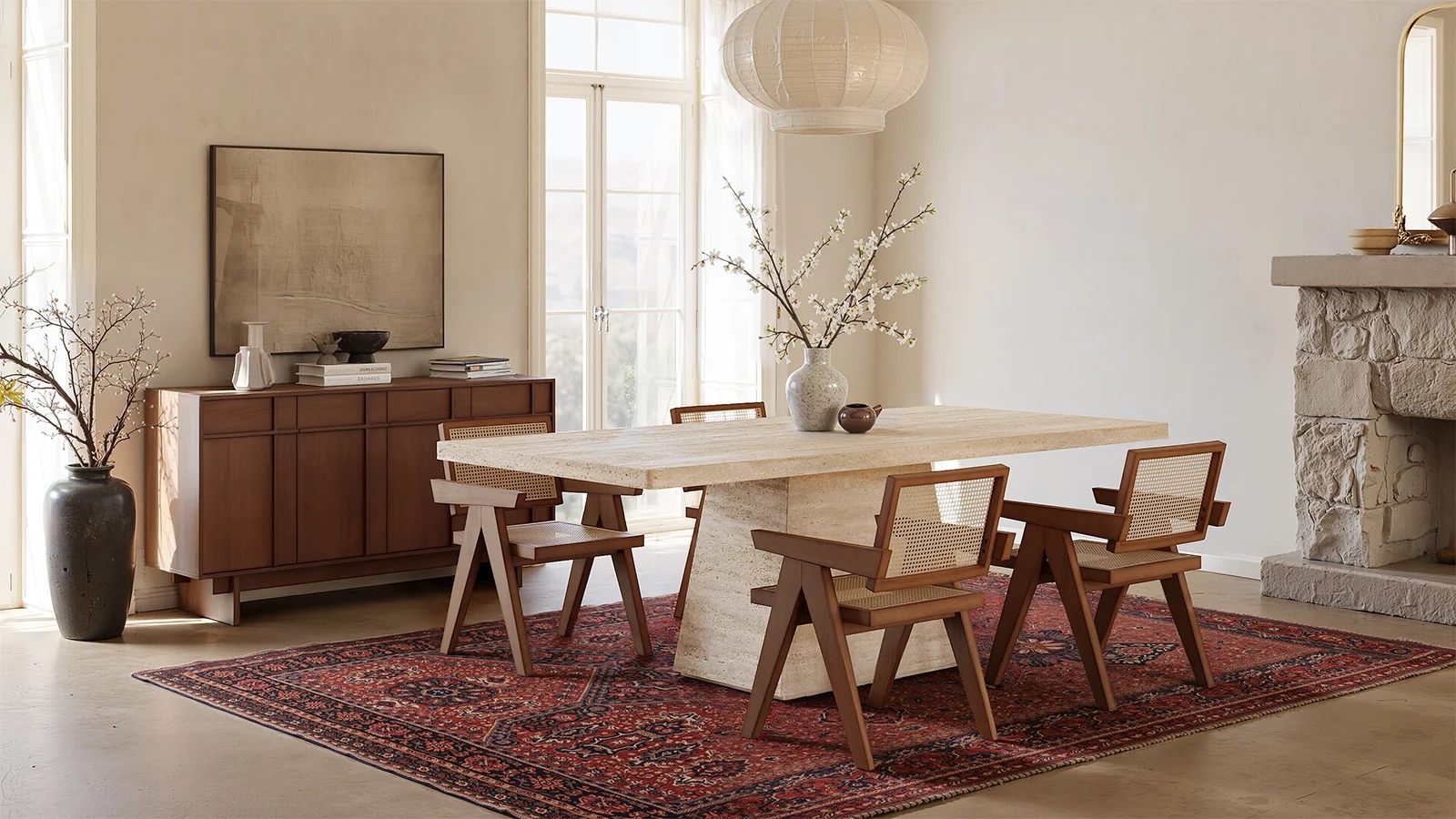
Source: Homary
Daily Habits That Help Preserve Your Dining Table
Protecting a dining table usually comes down to consistency. Small habits repeated every day tend to make a much bigger difference than occasional deep cleaning sessions or expensive repair products later on.
1. Lift items instead of sliding them
Sliding bowls, plates, or decorative pieces across the surface might not seem harmful at first, but tiny crumbs and dust particles underneath can slowly scratch the finish over time. Even smooth ceramic dishes can leave faint marks after months of repeated movement. It helps to make lifting items a normal household habit, especially during busy family meals or dinner parties where people might accidentally slide their cutlery and dinnerware around.
2. Keep heat and moisture under control
Heat and condensation are probably two of the biggest enemies of natural wood. A hot takeaway box or steaming pan can damage the finish surprisingly quickly, while cold glasses leave behind stubborn white stains if moisture sits too long. Keeping attractive coasters and trivets directly on the table makes people much more likely to actually use them instead of searching through drawers halfway through dinner.
3. Clean spills sooner rather than later
Most stains become much harder to deal with once they’ve had time to settle into the finish. Red wine, coffee, sauces, and oils can all leave lasting marks if ignored overnight. A quick wipe with a soft microfiber cloth after meals usually prevents far bigger problems later.
4. Use gentler cleaning products
Harsh sprays and chemical cleaners slowly wear down protective finishes and can leave wood looking cloudy or dry. A lightly damp cloth with mild dish soap is often more than enough for everyday cleaning. Drying the table afterward also helps stop moisture from lingering on the surface.
5. Rotate decor throughout the year
Wood naturally changes tone with sunlight and age. If a centerpiece or runner stays in exactly the same place for years, the exposed sections may fade differently from the covered areas. Rotating decorative items every so often helps the surface age more evenly while still keeping the table looking warm and lived-in.
FAQ About Wood Dining Tables and Home Furniture Sizing
How often should I clean a wood dining table?
For most households, a quick wipe-down after meals and a more careful clean once or twice a week is usually enough. The important part is avoiding excess moisture and harsh sprays. A soft microfiber cloth with mild soap and warm water generally works much better than heavy chemical cleaners.
Can sunlight really damage wood furniture?
Yes, and it happens more gradually than people realize. Constant UV exposure can fade darker woods or deepen the tone of lighter woods unevenly over time.
Is it okay to leave a tablecloth on permanently?
Not always. Long-term tablecloth use can actually trap crumbs and fine grit underneath the fabric. As the cloth shifts during meals, those particles slowly rub against the finish and create wear patterns. It’s usually better to rotate coverings occasionally rather than leaving them untouched for months.
What size dining table works best for four people?
Generally, round dining tables around 914 to 1219 mm wide or rectangular tables around 1219 mm long work comfortably for four adults while still leaving enough elbow room.
Do dining chairs need to match the table exactly?
Not necessarily. Many modern homes intentionally mix textures, colors, and chair styles to create a more relaxed and collected look. The proportions matter more than perfect matching.
Should I use placemats on a wood dining table every day?
Using placemats regularly can help reduce small scratches, heat marks, and moisture rings caused by plates, bowls, and glasses. Soft fabric, cork, or leather placemats usually work best because they protect the finish without trapping rough debris underneath.
What indoor humidity level is best for wood furniture?
Most wood furniture performs best when indoor humidity stays somewhere between 35% and 55%. Extremely dry air can cause wood to crack or shrink, while excessive humidity may lead to swelling or warping over time.
How can I stop scratches from appearing so quickly?
Small habits make the biggest difference. Lifting items instead of dragging them, using coasters and trivets regularly, and keeping dust off the surface all help slow down wear considerably.
Long Live Your Wood Dining Table
A wood dining table becomes part of everyday life, from family meals to celebrations and quiet evenings at home. With proper care, it can stay beautiful for years. Many modern dining room ideas now balance style with practicality, and brands like Homary make it easier to create elegant, long-lasting spaces without overspending.