

If you are someone who enjoys hosting dinner parties, you probably understand the importance of having a good dining table. It’s no surprise that a wood dining table remains one of the most popular choices for the eating area. It’s the ideal material for durability, style, and also warmth, making the dining table the perfect companion for both everyday meals and special occasions.
Yet this timeless choice comes with challenges. The durability of wood requires proper care if you want to maintain its look and feel over time. A wood surface is exposed to a lot during its lifetime, ranging from spills to heat marks, and this is without mentioning the dust and grease that can build up. Ultimately, if you don’t know how to clean your wood table finish, signs of wear and tear are going to show rapidly.
If you are considering investing in a quality piece for your dining table, regular maintenance is non-negotiable. It’s an essential part of protecting your investment. In this guide, we explain everything you need to know to look after your dining table, including how to remove water rings from wood table surfaces and how to choose the best wood cleaner for dining table setups.
What Is Wood Table Finish?
The truth is that you can’t maintain your dining set if you don’t understand precisely how to clean the wood table finish you have.
The finish acts as a protective layer. It is designed to shield the wood from damage linked to moisture, heat, and everyday wear and tear. Knowing what type of finish your table has will determine the best wood cleaner for your dining table.
There are several common types of finishes used on wood tables.
Wood table finish type | Benefits | Cleaning Methods | Maintenance Tips |
Oil finish | - Enhances natural look - Warm shine | Only use beeswax or natural oil-based products | - Requires regular maintenance - Sensitive to spills |
Wax finish | - Nourishing - Low-sheen, smooth surface | Only use beeswax or natural oil-based products | - Requires regular reapplication - Can wash off with the wrong cleaning method |
Varnish or lacquer finish | - Highly durable - Stain-resistant - Moisture-resistant | Can use a mild soap solution | Easy to look after |
The reason why you want to figure out your finish is that the wrong cleaning method can damage it and leave the wood exposed. In other words, the first step to clean your wood table finish is to know your finish.
How To Clean a Wood Dining Table Safely
No matter the type of wood or finish, regular cleaning is essential to maintain the hygiene and appearance of your dining surface.
Wood is different from many other materials. It requires a more controlled approach to cleaning to avoid damaging the protective layer.
Most modern dining tables are finished with a protective coating of varnish or lacquer. These need to be cleaned in a specific way, which differs from other finishes.
Supplies You’ll Need To Clean Your Wood Table Lacquer/Varnish Finish
You will need to gather basic, non-abrasive items to clean the surface:
- At least 2 soft, microfiber clothes
- One lint-free cloth for buffing and drying
- Warm water and mild dish soap
Oil and wax finishes need a different cleaning solution, which we explain in a later section. For these, you can skip the warm water and mild dish soap mix.
Step-by-Step Cleaning Process for Sealed Finishes
Sealed finished use either lacquer or varnish.
#1. Dust the Surface
The first step is to remove any dust, crumbs, and other debris from the table surface. It’s important to do that first, as dust particles can scratch the finish over time. Typically, you will only need a dry microfiber cloth for this.
#2. Use a Damp Cloth
Now, using the second microfiber cloth, lightly dampen it with warm water and use it to wipe the table surface. Be careful not to soak the cloth, as excess moisture can seep into the joints or around the edges and damage the wood underneath.
#3. Mix a Mild Cleaning Solution
If there are sticky spots or residue, this is when you will need a mild cleaning solution. You can prepare it by mixing a small amount of fish soap with the warm water. Dip the cloth in and wipe the surface. Aim to follow the direction of the wood grain.
Tip: Make sure to wring out the cloth well. It should never be soaking wet.
#4. Remove Any Soap Residue
Use a clean, damp cloth to wipe away any remaining soap on the surface. You can use the same cloth as you’ve used previously, as long as you wash the soap off it first. Soap buildup can leave the table surface looking dull, so this is an important step.
#5. Dry ASAP
Use a link-free cloth to dry the table surface. You don’t want to leave moisture on the surface, as it can weaken the finish over time.
Adapting Your Cleaning Method to Different Wood Finishes
The type of finish determines how much moisture the surface can tolerate and the best wood cleaner for your dining table.
Clean A Wood Table with Oil Finish
Oil finish doesn’t form a surface layer. It penetrates deep inside the wood. This creates a beautiful rendering, but it also makes the wood even more sensitive to moisture.
You can make a natural wood table cleaner that doesn’t strip the protective oil layer:
- DIY clean and condition: Mix 0.25 cup olive oil with 8-10 drops of lemon essential oil and 0.25 cup of white vinegar. This will create a natural, antibacterial polish.
- Nourishing solution: For this, you can use fractionated coconut oil or avocado oil, which can nourish dry wood. These don’t leave any greasy residue.
- Polishing solution: You can combine 35g of beeswax with turpentine (4 tablespoons) and linseed oil (1 tablespoon). It will make the surface shine and keep it protected.
Alternatively, you can also find commercial cleaners for oiled surfaces, like Howard Lemon Oil.
Clean a Wood Table with Wax Finish
Wax finish is a soft protective coating. It can wear down if you clean it with aggressive methods or products. As a general rule of thumb, a dry or slightly damp cloth is best for routine care.
What is the best natural wood cleaner for dining table surfaces with wax finish?
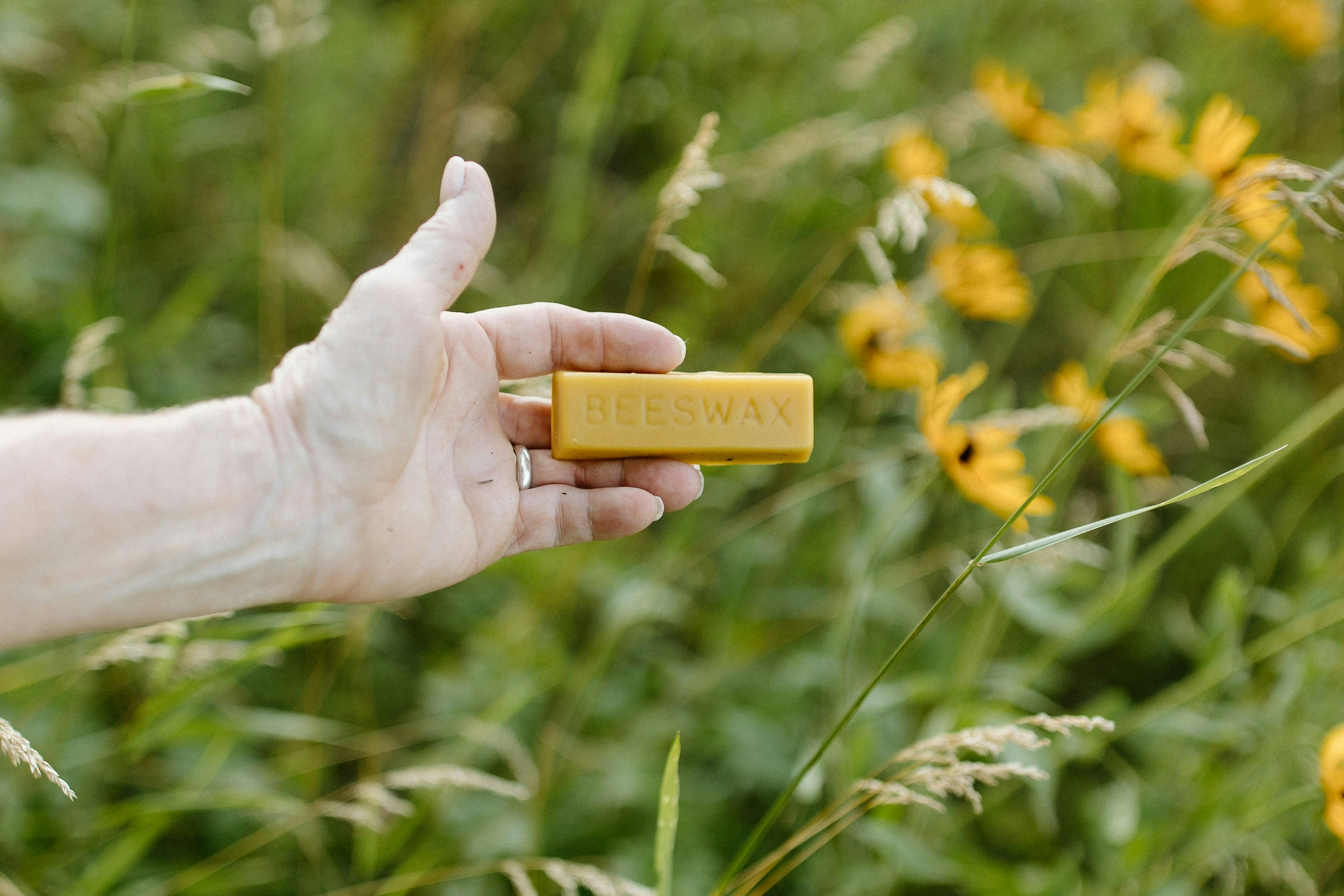
- Beeswax-based products: You can find pre-made natural beeswax cleaners.
- DIY beeswax polish: Simply mix 0.25 cup beeswax pellets with 1 tablespoon lemon juice and 0.5 cup olive oil to preserve the finish's shine and durability.
- DIY cleaner: This combines 0.25 cup lemon juice and 0.5 cup olive oil. This cleaner also nourishes the wood.
How To Remove Water Rings From Wood Table Surfaces
Water rings can appear as cloudy white marks on the surface. They are the result of moisture getting trapped within the table’s finish.
There is an important distinction to make between white water rings and dark stains.
- White rings sit within the table finish.
- Darker stains occur when moisture reaches the wood beneath the protective finish.
Effective Methods for Removing Water Rings
- Use gentle heat
- This is a simple and highly effective method that uses only a hairdryer. Set it on a low to medium heat setting and hold it a short distance away from the surface. Make sure to move the hairdryer steadily over the affected area to help evaporate the moisture trapped under the finish. While this method is best-suited to fresh and light marks, you want to be careful when working with wax finishes. Wax has a low melting point.
- Apply a solution of vinegar and oil
- For older or more visible water rings, a solution made of equal parts of white vinegar and olive oil is the best option. Apply it gently to the surface using a soft cloth. You will need to be gentle when rubbing and rub with the grain of the wood to avoid damage. The vinegar breaks down the mark while the oil can restore the moisture balance.
- Only use very mild abrasives if using any
- If you come across a stubborn water ring that doesn’t react to the other methods, you can try to use mild abrasives such as a baking soda mixture or a small amount of non-gel toothpaste to buff the area. Be very careful not to remove the while coating. So, you want to use only minimal pressure for this.
When To Consider Restoration for Water Rings Removal
If the stain fails to respond to these methods, or if it appears dark in color, it is a sign that it sits under the finish.
Dark water rings can only be removed by stripping the finish, sanding the wood surface, and reapplying the finish.
Clean Wood Table Finish With Scratches & Stains
Signs of wear and tear and damage can appear even on well-maintained surfaces. Here is how to address these.
Light Surface Scratches
Minor scratches to the finish can easily be improved using the mixture of white vinegar and olive oil described above.
Deeper Scratches
Scratches that reach beyond the finish require light sanding to smooth the surface. After sanding, experts apply a matching wood filler and refinish the dining table.
Everyday Stains
Sauces, grease, ink, and other spills can mark the surface.
Many stains can be easily removed through any of the suitable cleaning solutions we’ve introduced earlier. However, if dealing with stubborn stains, and particularly ink stains, rubbing alcohol can be used sparingly.
For ongoing protection and peace of mind, we recommend investing in a protection plan when you purchase a wood dining table. This can be used to progress with repair and replacement needs.
Protect Your Wood Dining Table for Long-Term Use
Wood is a natural material that responds to its environment, which means knowing how to clean it is not enough to keep it in good condition.
Daily Protection Habits
- Use coasters to avoid water rings
- Use placemats to reduce scratches
- Don’t place hot pots directly on the surface
- Wipe up spills immediately
Environmental Factors to Consider
Where you place your table will affect how the environment affects its appearance:
- Prolonged sunlight exposure causes fading and discoloration
- Heat source proximity can dry out the wood, causing cracking and warping
- High humidity fluctuation in the room can damage the wood
Maintenance Treatments Based on Your Finish
Oil finish needs reapplication every few months, depending on use.
Wax finish needs to be refreshed to maintain its protective layer.
Sealed finishes need less care, but benefit from occasional polishing.
Expert Tips For a Low-Maintenance Wood Dining Table
When choosing the best wood table design, the type of wood will influence its durability. Hardwoods like oak, walnut, and maple are more resistant to daily wear. You can also find engineered wood options.
The finish plays an important role. Dining tables with sealed finishes, varnish or lacquer, are easier to maintain. On the other hand, oil and wax finishes require more frequent upkeep and need natural wood table cleaner solutions.
Finally, choosing the best wood cleaner for your dining table wood and finish will make a big difference in the long term.
FAQs
How often should I clean my wood dining table?
Ideally, you should wipe the table after each meal. Dust it weakly to prevent building. A deeper clean using a specialist cleaner can be done monthly or every two months, depending on usage.
What is the best wood cleaner for a dining table?
This will depend on your table finish. A mild soap-and-water solution is enough for sealed surfaces. Delicate finishes need a natural wood table cleaner to protect the surface.
Can I use vinegar to clean my wood table?
Diluted vinegar is safe for lacquer and varnish finishes. For wax and oil finishes, it is best avoided, unless you need to remove marks, such as water stains or scratches. Delicate finishes may need to be reapplied after using a vinegar-based solution.