

A good workspace can completely change the way your day feels, especially if you spend hours sitting at a desk trying to focus, create, or stay productive. The best writing desk ideas aren’t always about buying the biggest or most expensive furniture either. Sometimes a few practical adjustments, smarter storage choices, and better layout decisions can make a workspace feel calmer, cleaner, and far easier to actually use every day.
A lot of people end up working in spaces that slowly become frustrating without realizing it. Cables pile up, notebooks disappear under clutter, lighting feels harsh, and suddenly even simple tasks feel harder than they should. That’s why creating a desk setup that feels comfortable and functional matters so much. A writing desk should support the way you naturally work instead of constantly getting in the way.
From compact minimalist layouts to storage-heavy setups for busy creatives, the right ideas can help transform even a small corner into a workspace that feels much more enjoyable to sit down at every morning.
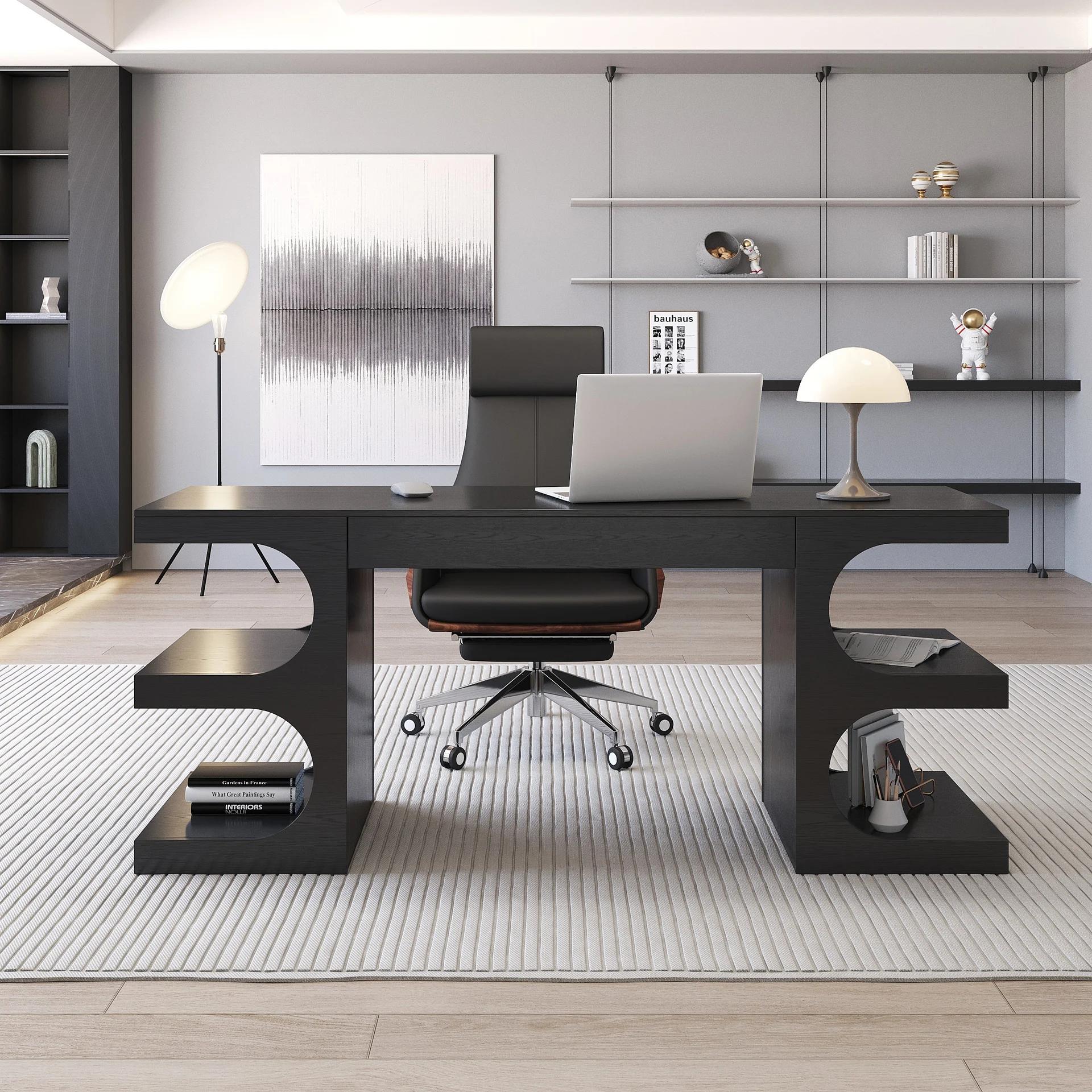
Why Practical Workspaces Need a Dedicated Writing Desk
Working from the couch or balancing a laptop on the kitchen island might feel fine at first, but over time it usually becomes frustrating. Papers disappear under grocery bags, chargers end up in different rooms, and it gets harder to mentally separate work from everything else happening around the house. A dedicated writing desk creates a feeling of structure, even in smaller homes where you don’t have a lot of space to work with.
A dedicated writing desk beats the kitchen island
Kitchen counters were never really designed for focused work. They’re temporary spaces that constantly get interrupted by meals, dishes, family movement, and everyday clutter. A proper writing desk gives you somewhere consistent to sit down, organize your thoughts, and actually settle into tasks without feeling like you need to pack everything away every hour.
Why home workspaces experience more daily wear than regular furniture
Home office furniture usually handles much heavier daily use than people expect. Coffee cups, notebooks, laptops, cables, meals, and long hours of typing all put steady pressure on surfaces and storage. That’s why practicality matters just as much as appearance. A workspace that looks beautiful but feels awkward to use eventually becomes frustrating instead of inspiring.
The mental shift of having a personal workspace for your day
There’s also something psychological about sitting at a dedicated desk every morning. The space starts acting like a mental signal that it’s time to focus, plan, create, or work through ideas. Even simple routines feel easier when your workspace feels intentional instead of temporary.
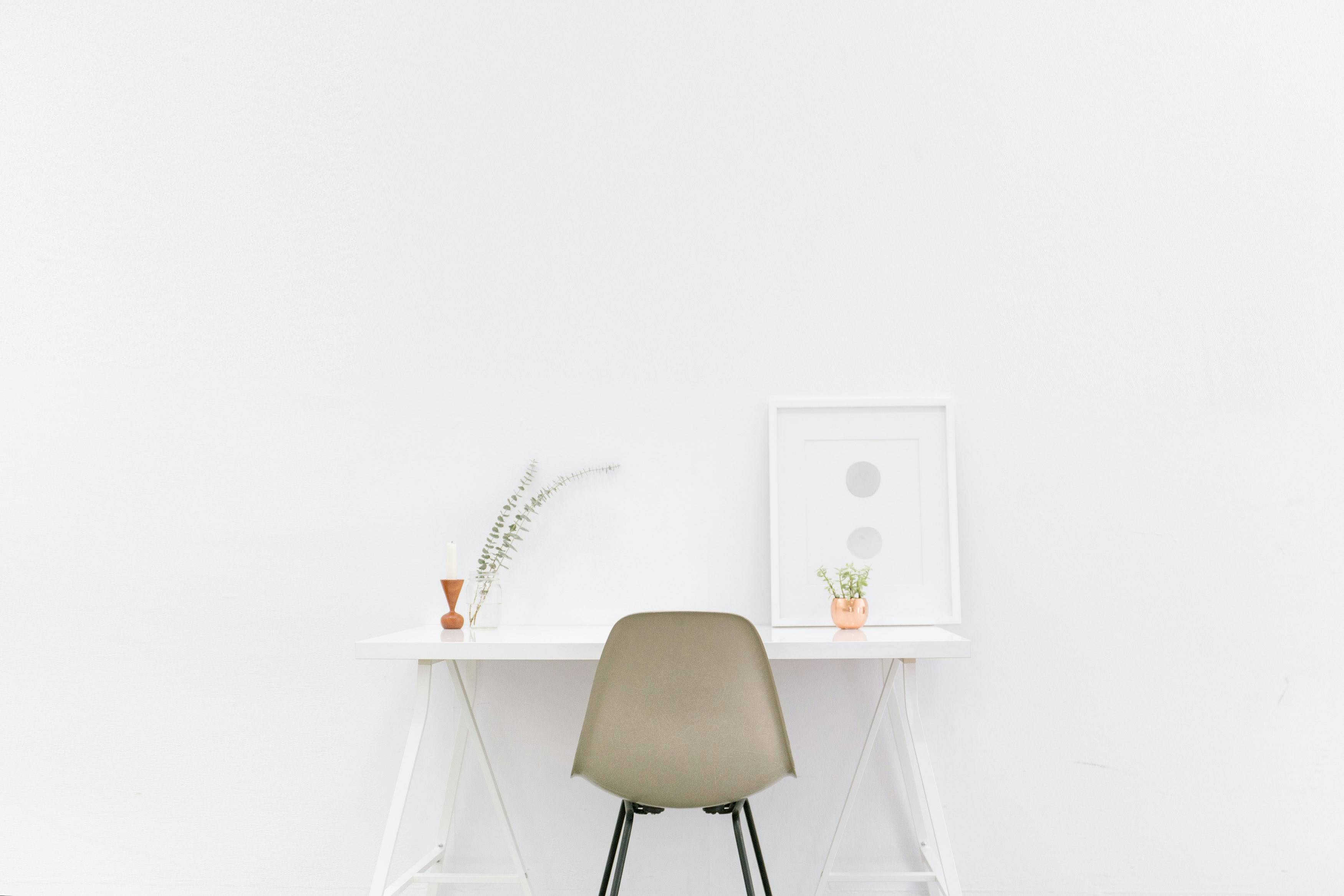
The Minimalist Idea: Maximizing Floor Space with Small-Footprint Desks
Not every home has the luxury of a dedicated office, and honestly, a lot of modern workspaces need to fit naturally into bedrooms, living rooms, or even unused hallway corners. That’s why compact writing desks have become such a practical solution. A smaller desk can still feel productive and comfortable without dominating the entire room.
Match the desk shape to the room itself
One of the easiest ways to make a small workspace feel intentional is by choosing a desk shape that works with the architecture already there.
Slim rectangular desks fit naturally against empty walls, while curved desks can soften awkward corners that would otherwise go unused. Alcoves, recessed walls, and narrow spaces often become surprisingly functional once the desk proportions actually fit the room properly instead of fighting against it.
Think carefully about visual weight
The physical size of the desk matters, but the visual heaviness matters too. Open leg frames usually help smaller rooms feel brighter and more spacious because the floor remains visible underneath.
On the other hand, thick solid bases create a much heavier appearance that can make compact spaces feel crowded quite quickly. In larger rooms, that heavier look can feel grounded and stylish, but in smaller apartments, lighter silhouettes tend to work better.
Use vertical space instead of overcrowding the floor
When floor space is limited, vertical storage becomes incredibly useful. Ladder desks, floating shelves, and wall-mounted surfaces help create storage without making the room feel boxed in.
Instead of adding bulky filing cabinets everywhere, using height allows the workspace to stay organized while still feeling calm and open.
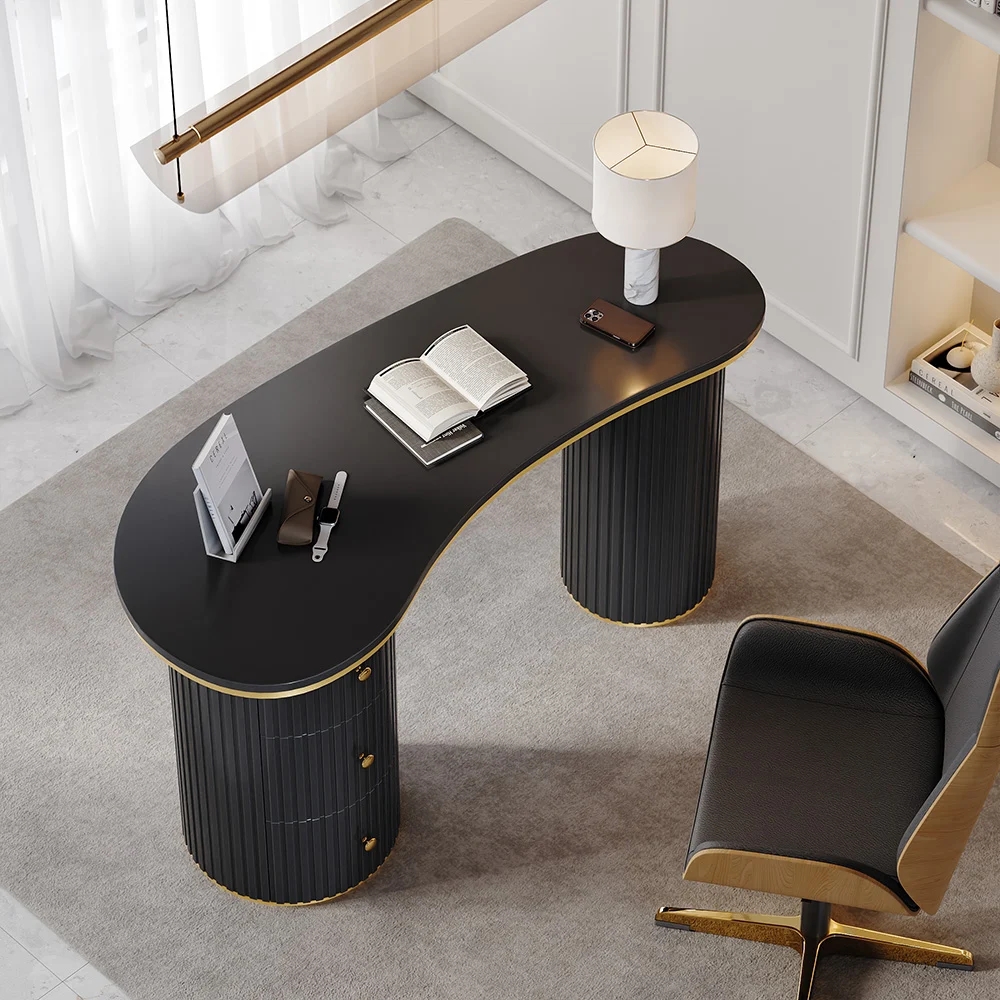
Source: Homary
The Ergonomic Idea: Balancing High-End Aesthetics with All-Day Comfort
A comfortable workspace doesn’t have to look like a sterile corporate office filled with black mesh chairs and harsh fluorescent lighting. A lot of modern home offices now blend comfort with softer materials, warmer textures, and furniture that actually feels connected to the rest of the house instead of looking completely separate from it.
Find a chair that supports you without overpowering the room
Office chairs usually become the visual centerpiece of a workspace, so finding one that feels supportive without looking bulky makes a huge difference.
Upholstered chairs with curved backs, soft neutral fabrics, or wood accents often blend into home interiors much more naturally than oversized executive seating. Comfort still matters, though. If you spend hours sitting every day, proper lower back support and adjustable height quickly become worth prioritizing.
Build your desk setup around natural posture
A desk that’s slightly too high or too low becomes surprisingly uncomfortable after long work sessions. Ideally, your arms should rest naturally while typing without your shoulders lifting or wrists bending awkwardly upward.
Small adjustments to chair height, monitor positioning, and keyboard placement can make the workspace feel far less physically draining over time. It’s a good idea to take care of your posture
Use softer lighting to reduce strain
Lighting affects comfort more than people realize. Harsh overhead lights or dark work corners usually lead to eye strain and headaches after a few hours.
A warm desk lamp combined with natural daylight often creates a much calmer environment while making the workspace feel more inviting throughout the day.
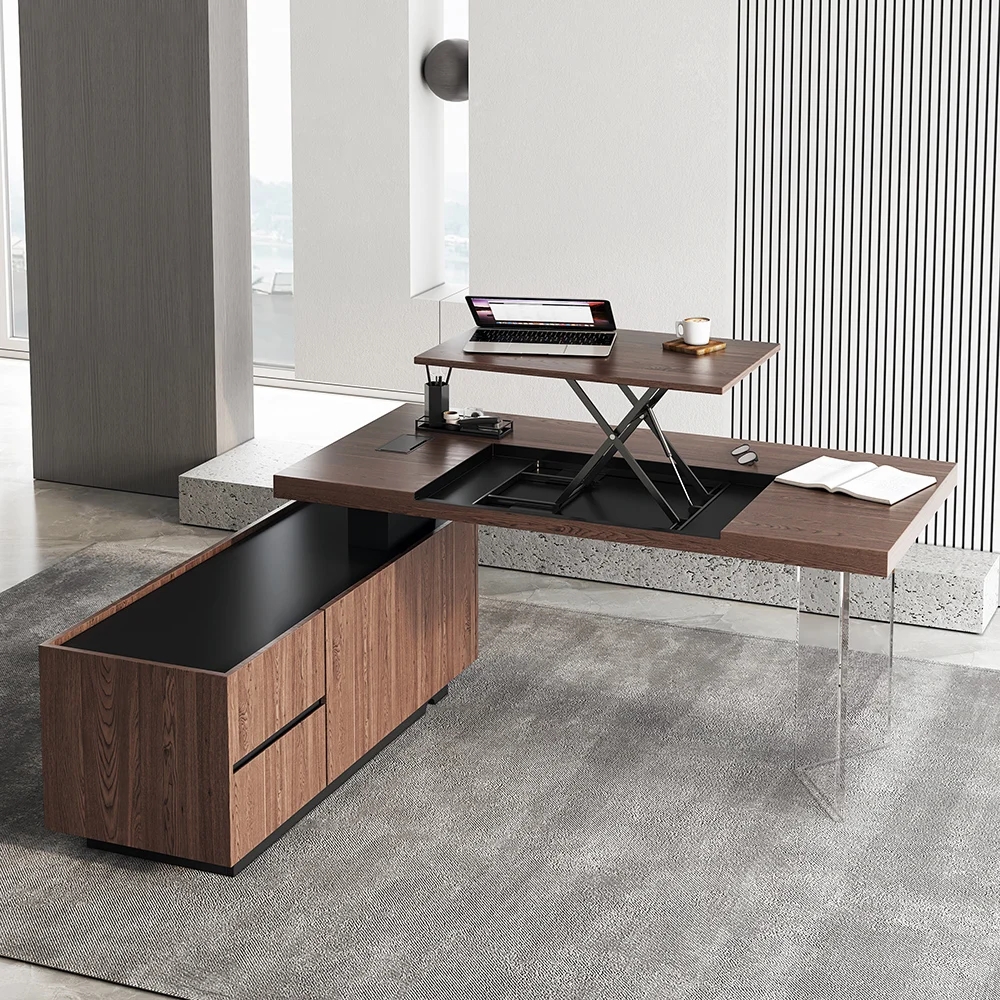
Source: Homary
The Multi-Functional Idea: Desks That Double as Accent Furniture
One of the smartest things about modern writing desks is that they no longer need to look like traditional office furniture. A well-designed desk can blend into the rest of the home much more naturally, which is especially useful in apartments, shared rooms, or open-plan layouts where every piece of furniture needs to work a little harder.
Use your desk for more than just work
A writing desk can easily double as a bedroom vanity, an entryway console, or even a decorative hallway table when it’s not being used for work. Slim drawers, softer finishes, and decorative lighting help the desk feel intentional rather than overly functional.
Even modern standing desk designs have started leaning more toward furniture-inspired aesthetics instead of bulky corporate setups, which makes them much easier to integrate into shared living spaces.
Choose materials that blend into the room
The material choices matter a lot when a desk sits in a shared space. Warm woods, matte finishes, stone tops, and softer neutral colors usually integrate much better with existing decor than heavy industrial office furniture.
Instead of making the workspace feel visually separate from the room, the goal is to let it feel like part of the home itself.
Transition the desk from day to evening
Small styling changes can completely shift the atmosphere of the desk after work hours. Closing the laptop, adding a lamp, stacking a few books, or placing a candle or decorative tray on the surface helps the desk transform from a workspace into more of an accent feature. That way, the room still feels relaxing in the evening instead of permanently stuck in work mode.
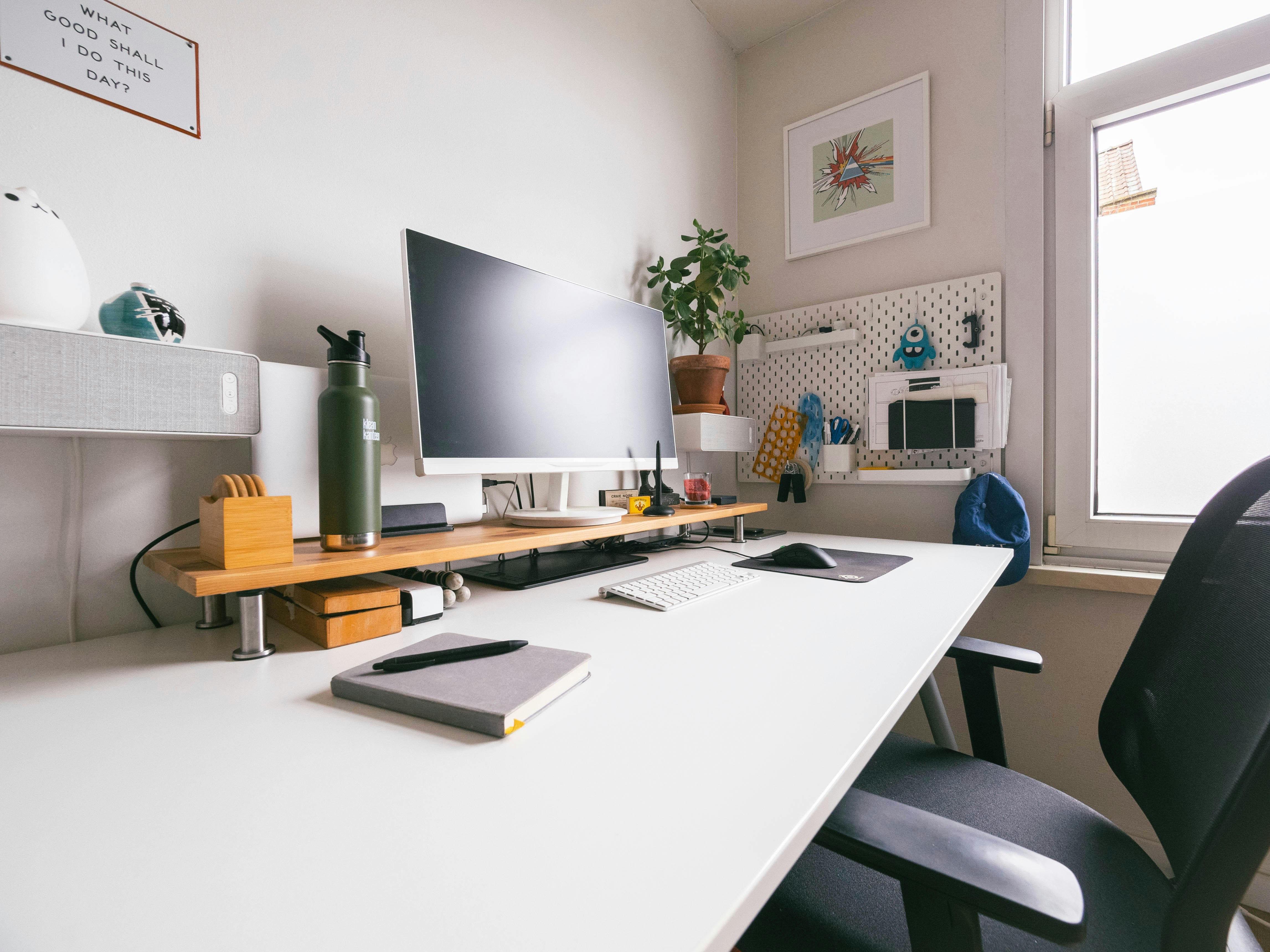
Source: Unsplash (CC0)
The Organization Idea: Creative Storage Solutions That Clear the Clutter
A cluttered desk has a way of making even simple tasks feel harder than they should. Pens disappear, cables tangle together, papers pile up, and suddenly the workspace feels stressful instead of productive.
Good organization doesn’t mean stripping the desk of personality, though. The goal is really to make the space feel calmer while still keeping it comfortable and lived-in.
Use built-in storage to keep the desktop clear
Desks with integrated drawers or shelving usually make a huge difference because they give everything a natural home. Instead of stacking papers into messy piles or leaving chargers scattered everywhere, built-in storage helps maintain a cleaner visual flow throughout the room.
Shallow drawers work especially well for notebooks, pens, headphones, and smaller daily essentials that would otherwise constantly sit on the surface.
Hide cables before they take over the room
Cable clutter can quickly make even a beautiful workspace feel chaotic. Small cable trays mounted underneath the desk, adhesive clips along the back edge, or wireless charging accessories all help reduce visual noise.
Even simple tricks like matching cord colors to the wall or desk finish can make the workspace feel noticeably cleaner.
Keep accessories useful but minimal
Desktop accessories should support the workspace without dominating it. A small desk lamp, compact organizer tray, coaster, or single decorative object often works much better than overcrowding the surface with too many containers and gadgets.
The desk should still feel open enough to comfortably work, write, and think without constantly moving things out of the way first.
FAQ About Practical Writing Desk Layouts and Room Planning
What is the standard height for a comfortable writing desk?
Most writing desks sit around 711 to 762 mm high, which tends to work best for the average adult. In reality, the ideal height depends on your chair, monitor placement, and how long you spend sitting each day. Your arms should rest naturally without forcing your shoulders upward while typing or writing.
Can a writing desk work in a bedroom without looking too formal and serious?
Absolutely. A writing desk usually blends into a bedroom much more naturally than a bulky office desk. Softer wood finishes, slimmer silhouettes, upholstered chairs, and decorative lighting help the setup feel calm and intentional instead of looking like a corporate workstation squeezed beside the bed.
How do I choose between a traditional writing desk and a heavy-duty computer desk?
Traditional writing desks generally prioritize aesthetics, smaller footprints, and lighter daily tasks like writing, reading, or occasional laptop work. Heavy-duty computer desks are better suited for multiple monitors, gaming setups, or larger equipment. It really comes down to how much tech and storage your daily routine requires and what you plan to put on the table itself.
Should my writing desk face a wall or a window?
Both can work well depending on your routine and the type of environment you focus best in. Facing a wall usually reduces distractions and helps create a more concentrated workspace, while facing a window can make the room feel brighter and less confined throughout the day. If possible, positioning the desk near natural light without direct screen glare often creates the most comfortable balance between productivity and comfort.
How much space should I leave around a writing desk?
Ideally, leave at least 762 to 914 mm behind the chair so you can move comfortably without bumping into walls or furniture. Even smaller workspaces feel noticeably more open when the desk has a little breathing room around it. Extra clearance also makes everyday movement feel less cramped, especially if the desk sits in a bedroom, shared living space, or narrow corner of the home.
Find the Writing Desk That Inspires Your Best Work
A practical workspace should make your day feel easier, calmer, and a little more focused from the moment you sit down. The right writing desk doesn’t just hold your laptop either. It helps shape your routine, supports your comfort, and blends naturally into the rest of your home without feeling intrusive.
That’s why choosing a desk with the right proportions, storage, and overall layout can completely change how your workspace feels day to day. If you’re looking for inspiration, Homary features a wide collection of modern writing desks in styles ranging from minimalist and contemporary to warm wood finishes and multi-functional designs, making it easier to find something that fits both your space and your routine.