

Parents, have you ever wondered why your child struggles to stay focused?
Why they can’t stick with one task for more than a few minutes before drifting away?
Believe it or not, the real culprits might be the small, invisible distractions we allow into our daily lives. These habits look harmless, but they quietly chip away at your child’s concentration—and eventually their learning efficiency. Today, let’s break down what’s really going on behind the scenes and talk about how to improve kids focus in a practical, realistic way.
Why Kids Struggle With Focus
A child’s ability to concentrate is shaped by a mix of emotional, academic, physical, and environmental factors. Many kids aren’t “bad at focusing”—they simply don’t have enough support in the right areas.
1. Psychological & Emotional Factors
- Mental health challenges: Stress from schoolwork, friendships, or changes at home can easily trigger anxiety or low mood in kids. When they’re carrying emotional tension, it becomes much harder for their brain to stay organized and alert, which quickly shows up as poor focus or slipping attention in class.
- Emotional regulation difficulties: Some children also have trouble managing big feelings. They may get upset easily, feel overwhelmed by small frustrations, or take longer to calm down. When their emotions are running high, it’s tough for them to follow routines, participate in group activities, or stay engaged with a task—attention naturally drifts elsewhere.
2. Learning & Educational System Challenges
- Learning gaps: After long stretches of remote learning, many kids are still trying to catch up. When they feel “behind,” it often leads to academic anxiety—kids may avoid certain subjects, lose confidence, or become easily distracted simply because the material feels too overwhelming.
- Special education needs (SEN): Children with ADHD, dyslexia, or other learning differences often struggle in traditional classroom settings where teaching styles are less flexible. Without the right support or tools, they may feel confused, discouraged, or overlooked, which naturally makes it harder for them to stay focused and engaged.
3. Physical & Sensory Factors
- Lack of sleep: Inconsistent sleep schedules or staying up late gaming can leave kids tired, foggy, and irritable the next day. Without enough rest, their brain struggles to stay alert, making it much harder to concentrate, follow directions, or stay motivated in class.
- Sensory processing differences: Some children react strongly to sounds, lights, textures, or movement—while others barely notice them. When a child is either overly sensitive or under-responsive to sensory input, it can be difficult for them to interpret their surroundings comfortably. This often shows up as distraction, restlessness, or difficulty staying engaged in learning tasks.
4. Attention Regulation Itself
- Low self-control: Research suggests that many kids who appear “unfocused” are really still developing their self-regulation skills. Their attention system isn’t broken—they just need more support and practice to manage impulses, stay on task, and shift their focus when needed.
- Attention misdirection: Kids usually are paying attention—just not always to what adults expect. Their focus may drift to the window, a passing thought, or a conversation across the room simply because those things feel more interesting or stimulating than the worksheet in front of them. This isn’t defiance; it’s how developing brains naturally respond to competing stimuli.
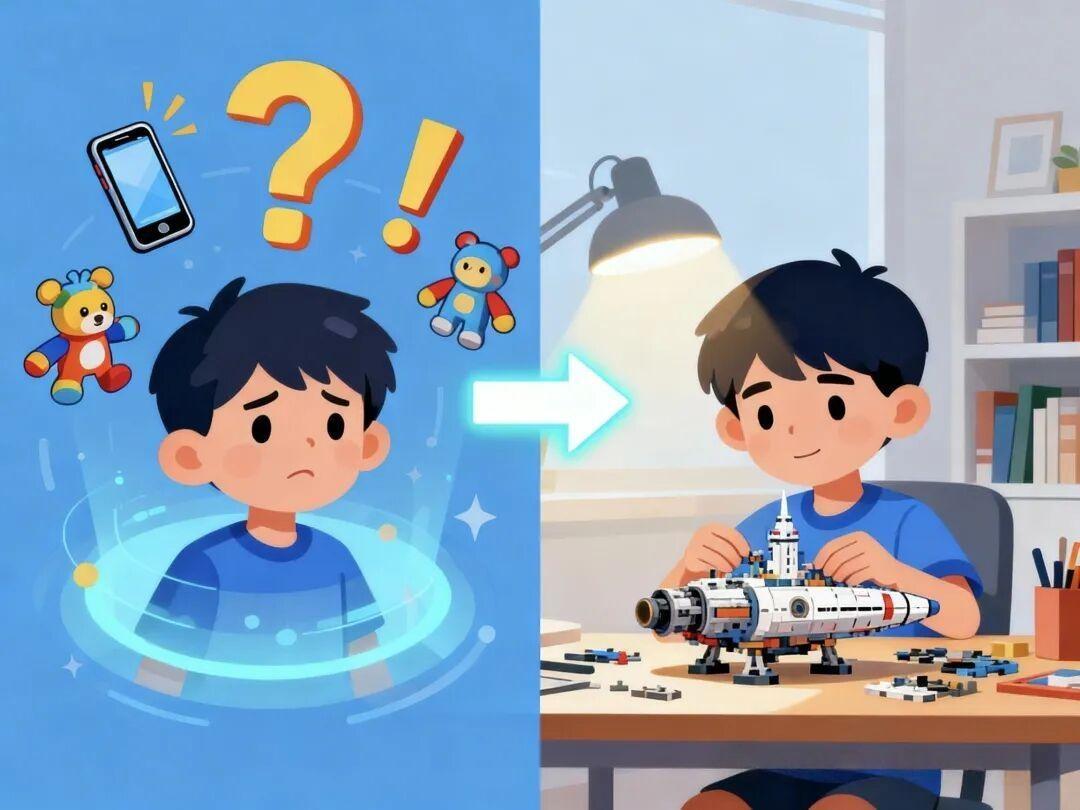
Practical Ways to Improve Kids’ Focus
Helping kids stay focused starts with building healthy habits for kids and giving them the structure they need to succeed. Focus isn’t something that magically appears—it grows when children have routines, clear expectations, and an environment that supports their developing brains. Below are some science-backed, parent-friendly strategies that make focus both teachable and achievable in everyday life:
1. Physical & Environmental Support
- More physical activity: Exercise boosts brain function and improves mood, making it easier for kids to stay focused. Encourage sports, recess time, after-school activities, or even simple home routines like walking or running.
- Reduce environmental distractions: Create a quiet, organized study corner. Keep TVs, phones, and tablets out of sight during homework time. In classrooms, front-row seating can help minimize visual and auditory distractions.
- Limit screen time: According to Mayo Clinic guidelines, reducing excessive screen exposure can help lower attention difficulties in younger children.
2. Learning & Task Strategies
- Break tasks into smaller chunks: Use the Pomodoro-style approach—25 minutes of work followed by a 5-minute break.
- Teach time management: A consistent daily schedule helps kids know what to expect and when to concentrate.
- Use timers: Timers give kids structure, clear expectations, and a sense of accomplishment when they finish small goals.
3. Interaction & Play
- Practice self-control games: Activities like “Statue Freeze” help kids build discipline while still having fun.
- Quality parent–child time: Simple, distraction-free activities help strengthen connection and cooperation.
- Praise effort and focus: Positive feedback motivates kids to stay on task in the future.
- Open-ended play: Give kids materials that encourage creativity rather than fixed patterns—this builds patience, imagination, and sustained engagement.
Build a Positive Learning Environment at Home
One of the simplest ways to help your child concentrate better is to create a positive learning environment that reduces unnecessary stimulation.
Choose furniture with clearly organized compartments, designated spots for books and supplies, and hidden cable management. When everything has its place, the workspace feels calm and intentional—making it much easier for kids to settle in and stay focused.
Try creating a “living room learning zone.” Store toys, gadgets, and loose items inside closed cabinets or shelves so they’re out of sight. Reducing visual clutter can make a bigger difference than most parents realize—fewer distractions mean smoother, more productive learning time.
Key Message:
“Start building an immersive learning space with a focused desk and a tidy, well-organized room—because a clean environment is the first step toward a focused mind.”

At the end of the day, improving your child’s focus isn’t about forcing them to “pay attention”—it’s about building the right habits, offering steady emotional support, and creating a calm, structured space where their mind can stay engaged. When you combine healthy habits for kids with a thoughtfully designed home setup, you’ll be surprised how quickly their concentration, confidence, and overall learning experience begin to grow. And remember, every small improvement you make today brings your child one step closer to a brighter, more focused future.