

With the weather getting warmer, it’s the perfect time to consider the right approach for your outdoor spaces. Wicker patio furniture is still popular for homeowners, and it’s no wonder why. Wicker pieces are chic and flexible. With a catchy cushion upgrade, the design style can shift quickly. So, wicker furniture can do the trick either for a minimalist clean look or a boho vibe.
However, like any outdoor furniture, wicker pieces can be exposed to dust, moisture, and varying weather, as well as affect your favorite patio set. The bottom line is this: whether or not you know how to protect wicker furniture outdoors, it’s not likely to last as long as it should.
How can you keep wicker furniture in good condition? Fortunately, this doesn’t involve fancy machinery or even time-consuming routines. But, one thing you are going to need to maintain wicker furniture and look after it is consistency. It starts with learning how to clean resin wicker furniture effectively so that you can protect it. If you’ve invested in quality wicker sets, maintenance is non-negotiable for long-term value.
In this guide, we are going to show you everything about cleaning and protecting your wicker units, from how to remove mildew from wicker to how to approach wicker furniture restoration and protection.

What is Wicker?
Before we get started with describing the correct cleaning and maintenance routine, it’s useful to know what “wicker” is for the most part.
As an aside, wicker does not indicate one type of material. Wicker furniture is actually furniture made using a particular weaving technique. Usually, the term wicker refers to natural materials such as rattan, bamboo, and willow. So wicker furniture and rattan furniture describe the same patio set! The woven technique allows for lightweight pieces with sufficient strength for everyday use.
Modern patio furniture can now be made from resin wicker as well — a synthetic material. Resin wicker is engineered to be more moisture-resistant than those found in natural fibers. Put another way, resin wicker furniture is specially designed to be moisture-resistant and, therefore, more manageable. So, it’s no surprise at all that more and more American homeowners use resin wicker furniture for outdoor use rather than rattan or bamboo-based ones.
Good to know: The natural fibers are generally best for indoor or covered areas.
That said, both natural materials and resin wicker furniture have to be cleaned and maintained frequently.
That is exactly why it is important to know what type of wicker you are working with. For most natural wicker, you have to be careful and have little moisture in place to prevent damage, as moisture exposure makes the fibers weaker.

How to Clean Resin Wicker Furniture Properly
Resin wicker is made to withstand the dangers of an outdoor setup, but it also needs regular cleaning to keep it looking good and holding its shape.
What can affect outdoor furniture?
- Dirt and grime
- Pollen
- Environmental debris
- Weather
If you are not sure how to clean resin wicker furniture, you can cause wear and tear and damage over time.
What You’ll Need
You need to ensure that before you start cleaning, you've got all the basics near you. These standard household items are suitable for seasonal cleaning and routine cleaning of most wicker units:
- For fine areas: A soft-bristle brush or an old toothbrush
- For loose debris removal: A vacuum with a brush attachment
- Mild dish soap mixed with warm water
- Microfiber cloth or sponge
- A bucket of water or a garden hose with low water pressure
Step-by-Step Cleaning Process for Resin Wicker
#1. Remove Loose Dirt & Debris
This process combines a vacuum cleaner for larger and more extensive areas of the area, along with a dry brush for small to large shapes or intricate details. Dig through all of the dirt on the wicker and what is trapped inside: dirt, dust, leaves, etc. Get rid of all the bits of dirt on the wicker furniture.
#2. Make a Gentle Cleaning Solution
Make a gentle cleaning solution of mild dish soap with warm water.
Warning: Do not use chemicals such as these harsh cleaners, as they can damage the protective finish on resin wicker furniture.
#3. Scrub the Surface
Using a soft sponge or a microfiber cloth dipped into the cleaning solution, gently scrub the furniture, working from top to bottom. Pay close attention to corners and crevices that tend to accumulate dirt easily.
Beware: The wicker weave is fragile. It doesn’t hold well under strong pressure.
#4. Rinse Thoroughly
Ideally, you should rinse the furniture with a garden hose, set on low pressure. However, if this isn’t available, a pre-filled bucket of water will do. Make sure you remove all remaining traces of soap as well as loosened dirt.
Be cautious not to use high-pressure water, which can weaken the structure of resin wicker furniture.
#5. Allow to Dry Completely
You want to let the furniture air dry in a well-ventilated place. You can use a dry cloth to remove excess moisture in hard-to-reach areas. Complete drying helps prevent mildew from developing.
What NOT To Do When You Clean Resin Wicker Furniture
Even though resin wicker is more durable than natural fibers, it can still be damaged by improper cleaning techniques.
Here are the things to avoid when you clean resin wicker furniture:
- Avoid pressure washers that can loosen or distort the weave
- Avoid abrasive brushes
- Avoid harsh chemicals, including bleach
- Don’t let the water pool inside the frame for too long (it is okay as part of the cleaning process, but you want to dry stagnant water quickly)

How to Remove Mildew from Wicker Safely
Mildew is one of the most common outdoor wicker furniture problems, particularly if you live in a humid area where airflow is limited.
Mildew often manifests itself in tiny dark spots or patches. Left untreated, it can spread up the wicker surface and affect the look and durability of your furniture. Hence, it is crucial to understand how to remove mildew from wicker furniture so that your patio set stays for as long as possible.
Step-by-Step Mildew Removal
#1. Prepare an Anti-Mildew Cleaning Solution
Mix equal parts white vinegar and water. This will make a gentle solution that is effective enough without being too abrasive.
Though you may find guidance to use a diluted bleach solution to get around stubborn mildew (usually 1 part bleach to 10 parts water), this is not recommended for wicker and resin wicker materials. The reasoning is that bleach can damage both natural fibers and the protective layer on resin wicker.
#2. Test a Small Area
The white vinegar and water mix is meant to be gentle, but it is best to do the test on a hidden area first. This will help make sure it doesn’t change the color or finish on your outdoor furniture.
#3. Gently Scrub the Affected Areas
You can use a soft cloth or a sponge to work the solution into the mildew spots.
Tip: Focus on the weave where the moisture tends to linger.
#4. Rinse Thoroughly
Make sure to rinse with clean water to remove any residue from the cleaning solution.
#5. Dry Completely
Here too, proper air-drying in a ventilated area is crucial. You can pat-dry areas where water naturally accumulates.
How To Prevent Mildew from Coming Back
Mildew forms when moisture is trapped in the weave, after rain or improper drying. Even resin wicker, which is more resistant, is not immune to excess moisture.
- Avoid letting your furniture get damp for an extended period of time
- Improve airflow for natural ventilation around your outdoor wicker furniture
- Clean surfaces regularly in order to reduce buildup

Wicker Furniture Restoration and Minor Repairs
Even with regular care, your outdoor wicker furniture can still show signs of wear and tear over time. This problem can be addressed with simple wicker furniture restoration techniques and strategies.
When Does Wicker Need Restoration?
Common signs that restoration may be necessary include:
- Faded/uneven color from prolonged sun exposure
- Loose strands
- Minor cracks or brittleness
Simple Wicker Repair Techniques
Simple repair techniques can help restore your wicker furniture to its former glory. We recommend working with a wicker expert for best results.
We can re-glue loose stands with a strong adhesive solution that is specifically designed for either resin or natural fibers, depending on the material.
We can reinforce weaker sections to prevent further unraveling. We can even replace damaged strips, especially for resin wicker, where replacement strands can be woven into the affected section.
Surface Restoration
If your wicker set looks worn out, this can be addressed through surface restoration. This technique can help refresh its appearance. This process is time-consuming, but it is effective when done right.
- Start with a thorough clean to remove dirt
- Apply spray paint or a protective coating that is specifically designed for outdoor furniture
- Let it dry before using
If you are working on natural fibers, you will need to lightly sand them before applying paint.
When to Replace Instead of Restoring
In some cases, restoration may not be sufficient. Replacement is the best solution when the frame is damaged or when the weave is beyond repair.
That is why we always recommend investing in a protection plan for your outdoor furniture. A protection plan can manage all repair and replacement needs as part of wicker furniture restoration.
Year-Round Tips: How to Protect Wicker Furniture Outdoors
If you want your wicker furniture to last, you have to be as diligent with its protection as you are with cleaning it. Knowing the right way to shield your pieces from the elements will go a long way in curbing wear and tear. Not only does this keep everything looking pristine, but it also means you won’t be left with as many repairs to make down the line.
Daily & Weekly Protection Habits
Some habits are more important than others. Here is what makes a difference:
- Be in the habit of wiping down surfaces on a regular basis.
- Don’t let standing water sit on the furniture.
- Put away your cushions when they aren’t being used; they have a way of soaking up moisture from the top of the piece.
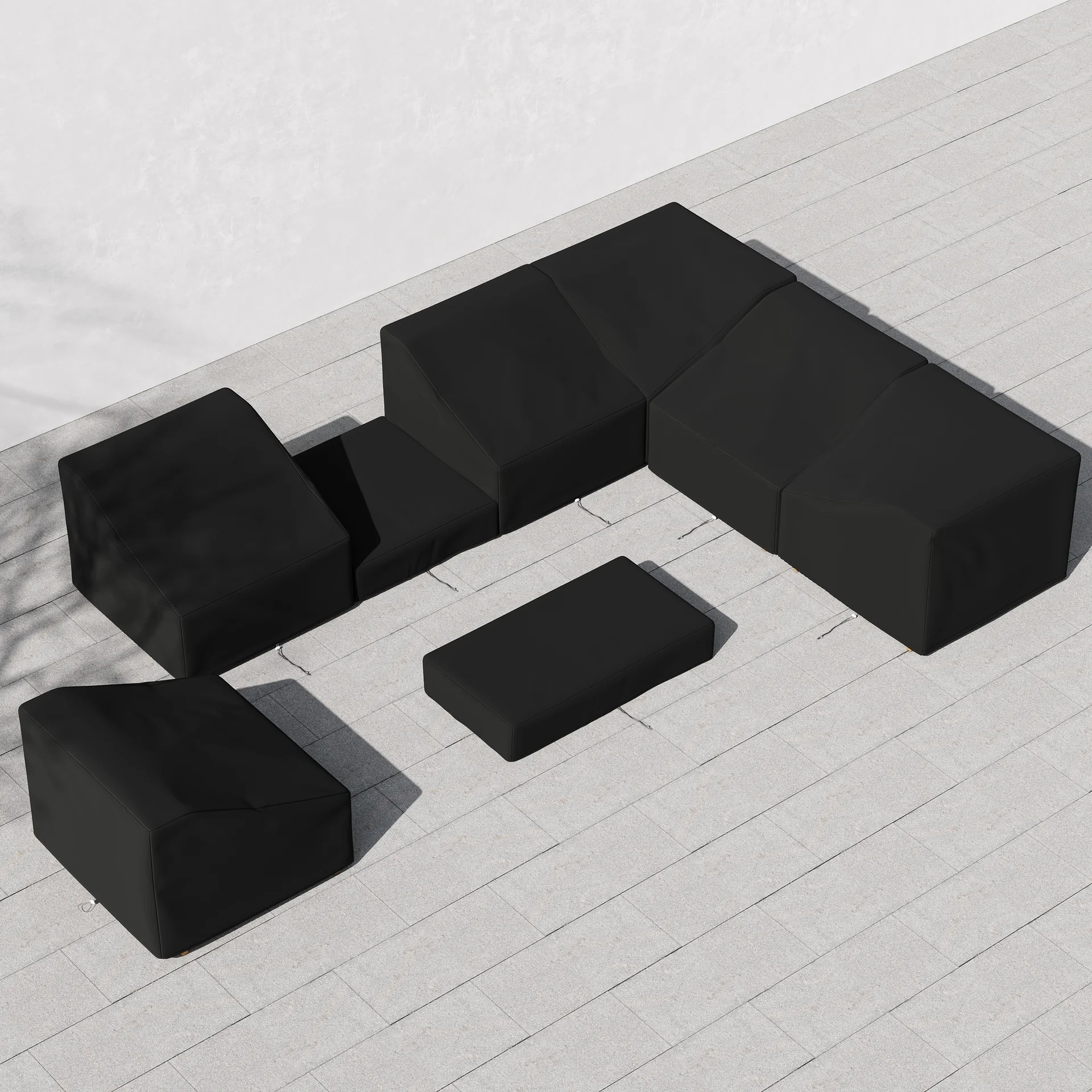
- Make use of any protective accessories at your disposal, like patio umbrellas or covers for the furniture.
|
|

Seasonal Protection Tips
You can’t follow the same routine all year round, given how outdoor conditions vary.
In the summer, try to get your wicker set into some shade and rotate the pieces so they don’t show uneven wear. Prolonged time in direct sunlight will do UV damage.
When the rainy season comes around, if a unit has gotten wet, be sure to let it drain and dry off completely. Better yet, put it inside where there is no moisture if you are not using it. And come winter, the best course of action is to store your wicker indoors to avoid any damage.
Expert Tips: Choosing Low-Maintenance Wicker Furniture
There’s no secret. If you are discerning and go for quality wicker from the outset, you will find your maintenance work is much less of a chore. That said, don’t think it means you can let your outdoor pieces go without any attention. For a patio, however, low-maintenance wicker is simply the wiser buy.
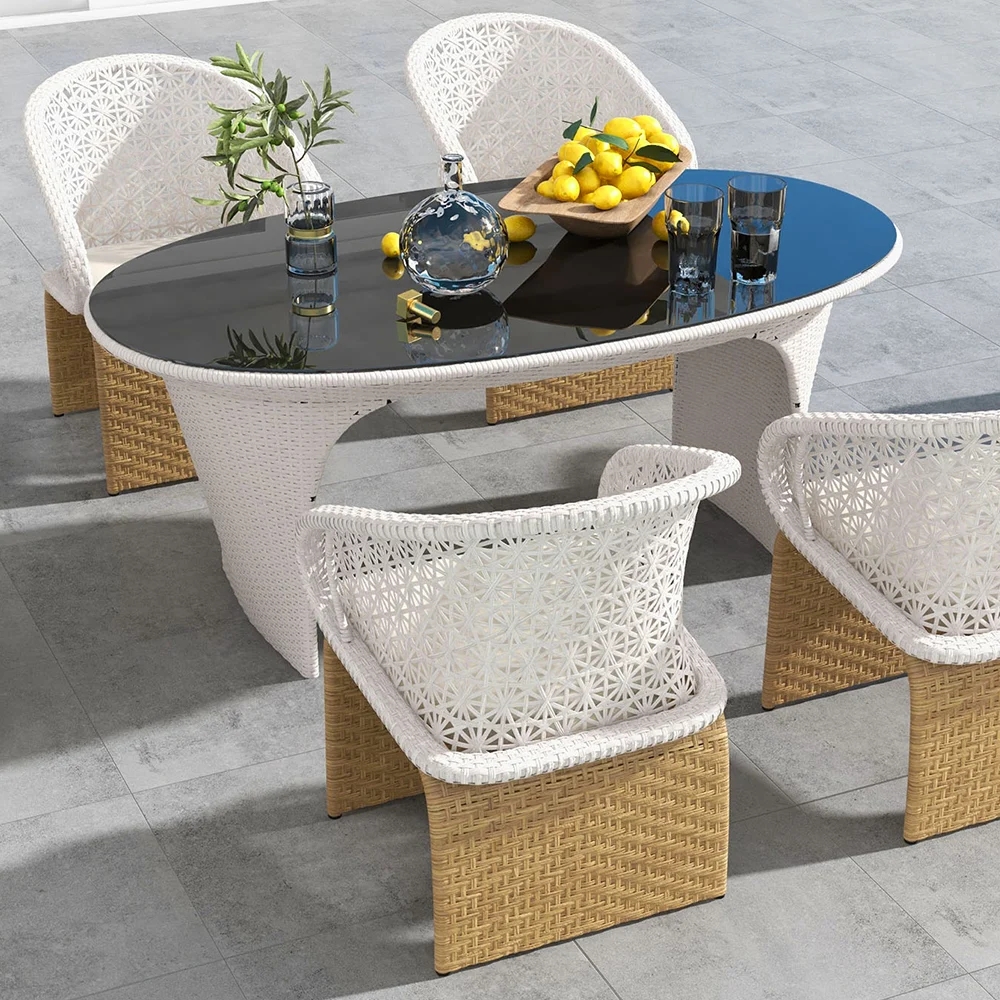
Resin wicker sets are hard to beat for outdoors since they put up with moisture, the sun’s UV rays, and changes in temperature far better than you would with natural fibers. They aren’t entirely impervious to the elements, but they are the way to go.
Take a good look at how the frame is put together; a set with a rust-resistant frame will have more longevity. And when it comes to accessories, opt for some well-made cushions in a fabric that will turn water away.
FAQs
How frequently do I need to clean my wicker?
A light once-over every week or so to get rid of dust and the like is good for most setups. We would suggest you give them a proper cleaning at the close of the season.
Is it okay to leave resin wicker out all year round?
It is made for the job, but “outdoor” does not mean indestructible. You will see some wear and tear over time from harsh weather. Our advice is to put on a cover or bring it inside when conditions are severe and when you are not using it.
What about using diluted bleach?
We would say no. Even diluted, it is too corrosive. A mild mix of white vinegar and water is preferable. If you are unsure of a solution, do a test run on an inconspicuous spot first.
Can I repair damaged wicker instead of replacing it?
Absolutely. Depending upon the degree of damage, wicker furniture and resin wicker furniture can be restored safely. We suggest professional help and evaluation to decide if this is done as a repair or replacement. Ideally, professional repair is the best approach, as DIY solutions can end up causing more damage.