

Furniture plays a significant role in our daily lives, providing comfort, functionality, and aesthetic appeal to our homes. Regular cleaning and maintenance are essential to ensure that our furniture maintains its beauty and functionality for years to come.
We will share with you tips from Homary furniture experts for cleaning and maintaining different types of furniture. We hope that you can preserve the quality and extend the lifespan of your beloved furniture pieces.

Cleaning Techniques for Different Types of Furniture
It is advisable to clean furniture based on its properties such as surface and materials. You can enjoy an extended period of usage by applying the right approaches to clean your furniture. We will provide several examples.
Cleaning of Upholstered Furniture
Upholstered furniture adds a touch of luxury and comfort to any space. To keep its look fresh and clean, regular cleaning is necessary.

Vacuuming is an excellent first step to remove loose dirt and debris from the fabric. Utilize the upholstery attachment and gently vacuum all surfaces, including cushions, armrests, and crevices.
Spot cleaning is essential for addressing spills or stains promptly. Use a mild cleaning solution specifically designed for upholstery and follow the manufacturer's instructions. Blot the affected area gently without rubbing to avoid spreading the stain.
For a more thorough cleaning, steam cleaning can be beneficial. It helps remove deep-seated dirt and bacteria, reviving the fabric's appearance and freshness.
Cleaning of Wood Furniture
Wood furniture is elegant and warm for any space in your home, but it requires proper care to maintain its natural beauty.

Dusting regularly is crucial to prevent the accumulation of dirt and debris, which can scratch the surface over time. Use a soft, microfiber cloth or a feather duster to gently remove dust from the furniture's surface and crevices.
Polishing is another important step to enhance the wood's luster and protect it from drying out. Choose a high-quality furniture polish suitable for your wood type and apply it using a soft cloth, following the grain of the wood.
For removing stains, a mild mixture of water and dish soap can be used, but be cautious and avoid excessive moisture. To prevent scratches, use coasters or placemats under hot or rough objects and avoid dragging items across the surface.
Cleaning of Leather Furniture
Leather furniture exudes sophistication and luxury, and a touch of organic delicacy. Special care for leather furniture can help maintain its supple texture and rich appearance.

A routine of cleaning and conditioning is crucial for preserving the quality of leather. Start by dusting the furniture with a soft, dry cloth to remove loose dirt. Use a mild leather cleaner specifically formulated for the type of leather you have. Apply the cleaner onto a clean cloth and gently wipe the surface in a circular motion, removing any stains or grime.
Conditioning is also essential to keep the leather moisturized and prevent cracking or fading. Apply a leather conditioner using a clean cloth, following the product instructions. It will nourish the leather and maintain its natural oils, ensuring long-lasting beauty.
Specialized Furniture Care
Some special kinds of furniture need dedicated care. Here are two examples.
Special Care for Antique Furniture
Antique furniture holds historical and sentimental value, requiring careful preservation to maintain its unique characteristics.
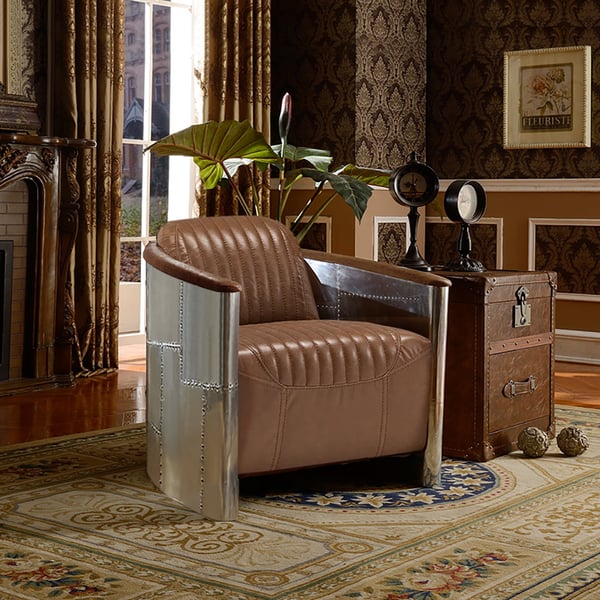
Gentle cleaning is crucial to avoid damaging delicate materials or finishes. Use a soft cloth or a feather duster to remove dust and dirt, avoiding harsh abrasives that can scratch the surface.
When addressing stains, consult with a professional to ensure safe and appropriate treatment. Avoid exposing antique furniture to direct sunlight or extreme temperature and humidity changes, as they can cause warping, fading, or cracking.
If you're uncertain about proper care, consider seeking the expertise of an antique furniture restoration specialist who can provide tailored advice and preservation services.
Special Care for Outdoor Furniture
Outdoor furniture is exposed to harsh weather conditions and requires specific care to withstand the elements. Regular cleaning is essential to remove dirt, debris, and environmental residues.

Use a mild detergent mixed with water to scrub the furniture's surface, rinse thoroughly, and allow it to dry completely. Applying a protective finish or sealant designed for outdoor use can help repel moisture and UV damage, extending the furniture's lifespan.
Consider using covers or storing outdoor furniture during harsh weather conditions or when not in use. Proper storage will protect it from excessive moisture, sunlight, and potential damage, ensuring its longevity.
General Furniture Maintenance Practices
There are some general practices you can plan on any furniture at home or in the office. Don't do it wrong if you want your furniture to serve for decades.
Regular Dusting and Vacuuming
Regular dusting and vacuuming are fundamental steps in maintaining the cleanliness and longevity of your furniture. Dust accumulates over time, leading to a dull appearance and potential damage.
Use a soft, lint-free cloth or a feather duster to dust furniture surfaces, including hard-to-reach areas and crevices. Vacuum upholstery, cushions, and mattresses with a brush attachment to remove dust, dirt, and allergens.
These simple maintenance practices help prevent the buildup of debris and prolong the furniture's lifespan.
Avoiding Excessive Sunlight Exposure
Direct sunlight can cause fading, discoloration, and even structural damage to furniture. Protect your furniture by avoiding excessive sunlight exposure.
Position furniture away from windows or use curtains, blinds, or window film to reduce UV rays' impact. If direct sunlight is unavoidable, consider using UV-protective coatings or treatments on your windows to minimize the sun's harmful effects. This proactive approach will preserve the furniture's color and extend its lifespan.
Proper Weight Distribution and Handling
Proper weight distribution and careful handling are crucial to prevent structural damage to furniture. Avoid placing excessive weight or pressure on delicate components, such as table edges, drawers, or fragile materials.
Use coasters or placemats under hot objects, cups, or glasses to protect the furniture's surface from heat or moisture damage. When moving furniture, lift and carry it instead of dragging or pushing, as this can scratch or dent the flooring and weaken the furniture's structure.
Checking and Tightening Hardware
Regularly inspecting and tightening hardware, such as screws, bolts, and knobs, helps maintain the stability and functionality of your furniture. Over time, repeated use or environmental factors may cause hardware to loosen.
Use a suitable screwdriver or wrench to check and tighten any loose hardware. This practice ensures that drawers operate smoothly, doors align properly, and overall structural integrity is maintained.
Preventive Measures Against Pets and Children
Pets and children bring joy and companionship but can also pose challenges to furniture maintenance. To protect your furniture from pet hair, scratches, and stains, consider using protective covers or blankets.
Provide pets with designated areas or furniture alternatives, such as scratching posts or pet beds, to redirect their attention. Similarly, childproofing furniture can prevent accidental damage.
Install corner protectors, safety latches, or gates to restrict access to delicate or hazardous furniture. Educate children on proper furniture handling and establish rules to maintain a safe and respectful environment.
Hiring Professional Furniture Cleaning Services
While regular maintenance is essential, some situations may require professional intervention. Consider hiring professional furniture cleaning services if:
- Your furniture requires specialized or deep cleaning techniques.
- There are stubborn stains or odors that you can't remove with regular cleaning methods.
- You have antique or delicate furniture that needs expert care.
- You lack the time, knowledge, or equipment to clean the furniture adequately.
Before hiring a professional service, ensure you understand the cleaning process they will follow and ask for a detailed explanation of their pricing structure. Clarify any doubts or concerns you may have regarding the methods, products used, and potential outcomes.
A reputable service provider will be transparent and willing to address your questions to ensure your satisfaction. Alternatively, you can talk to a Homary furniture expert for furniture maintenance tips. Don't wait until you start to worry.
Proper cleaning and maintenance are essential for preserving the beauty, functionality, and longevity of your furniture. By following these tips and techniques, you can ensure that your furniture remains clean, well-maintained, and in optimal condition.
Whether it's upholstered furniture, wood pieces, or leather upholstery, each type requires specific care and attention. Regular cleaning, preventive measures, and occasional professional assistance will help you enjoy your furniture's comfort, style, and durability for years to come. Invest in the care of your furniture today and reap the benefits of a beautiful and inviting home environment.