

When it comes to myopia control and myopia prevention, most parents tend to focus on the usual advice: limiting screen time, encouraging outdoor play, cutting back on sugar, adding lutein to the diet, or doing eye exercises. But one crucial factor often gets overlooked — the lighting inside your home.
Many families underestimate how much everyday household lighting can impact a child’s vision. A healthy lighting environment at home can actually support children’s eye development and help reduce the risk of nearsightedness. On the flip side, poor lighting while reading or writing may strain the eyes, accelerate visual fatigue, or even contribute to the onset of myopia.
So what kinds of harm can inadequate lighting cause? And what should parents pay attention to when setting up home lighting for their kids?
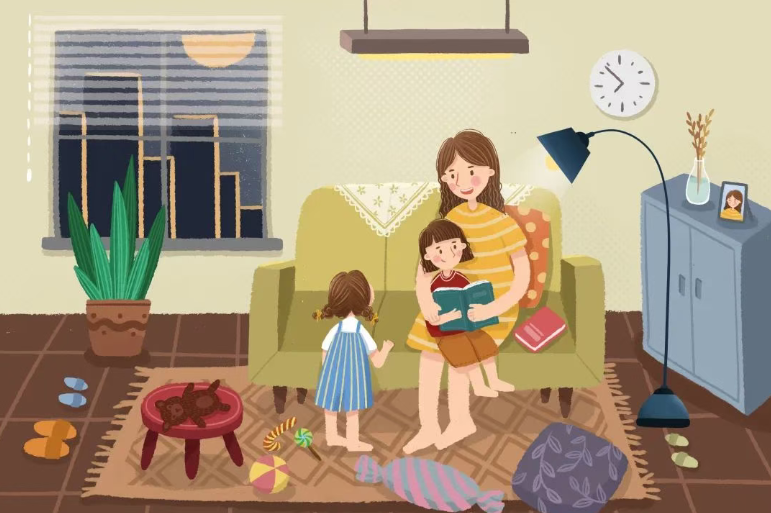
The Link Between Indoor Lighting and Youth Myopia
Over the past 50 years, the global prevalence of myopia among children and teenagers has skyrocketed — from just 10% in the 1970s to a staggering 70% by 2019. The United States follows a similar trend. In the 1970s, about 25% of American teens were nearsighted. By the late 1990s, that number rose to 40%, and by 2010 it reached 50%.
Interestingly, these spikes coincide with major lighting shifts: fluorescent lights began replacing incandescent bulbs in the 1970s, and LED lighting became widespread after 2000 — the same periods when myopia rates climbed sharply.
Normal eye development relies on proper light signals. A well-designed lighting environment is essential for healthy refractive development. Research suggests that incandescent lighting, with a spectrum closer to natural sunlight, may play a supportive role in reducing the risk of myopia.
Harmful Visual Environments in Modern Homes
1. Overly Colorful or Chaotic Lighting
The human eye can adapt to a certain range of light intensity by adjusting the pupil size. But when light radiation reaches excessive or unbalanced levels, it can negatively affect both the environment and human health — especially eye health — a problem often referred to as “light pollution.”
In many homes, lighting choices are made purely for decorative or dramatic effect. Multicolored, flashy, or chaotic lighting might look fun, but it can actually harm a child’s eyesight. These mixed-color light sources not only strain the eyes but may also interfere with the brain’s central nervous system.
Long-term exposure to excessive or poorly coordinated lighting can lead to symptoms such as dizziness, headaches, insomnia, and even mood disturbances. For infants and young children, the impact is even more pronounced — light pollution can weaken their vision and disrupt normal visual development.
2. Lighting That Is Too Bright
Overly strong indoor light sources can be harmful to children’s eyes. Devices like heat lamps, exposed bulbs, or direct-beam LED lights can overstimulate or even damage the retina. Continuous exposure may cause a decline in retinal sensitivity that becomes difficult to recover.
Infants and toddlers are especially vulnerable because they lack the awareness to protect their eyes. They often stare directly at bright lights without realizing the risk. Parents should gently redirect their child’s line of sight to prevent intense light from causing localized retinal damage during early visual development.
3. Lighting That Is Too Dim
Light that is too weak forces a child’s eyes to work harder. When reading, writing, or using digital devices in dim environments, the eyes must constantly over-adjust to focus. This increases eye strain and raises the likelihood of myopia by encouraging elongation of the eyeball.
Inadequate lighting doesn’t just make tasks harder — it directly raises the risk of vision problems in growing children.
4. Flickering Light Sources
“Flicker” refers to rapid fluctuations in a light’s brightness. Some households use flickering or dynamic lights for decorative ambiance, but this kind of constant flashing can overwork a child’s eyes and contribute to myopia.
Most indoor lighting powered by AC electricity produces some level of flicker. High-quality lights generate high-frequency flicker that is invisible to the human eye and does not affect vision. But low-frequency flicker — which children can detect more easily — may cause eye strain, dryness, burning sensations, or discomfort. In more severe cases, it can lead to headaches, double vision, difficulty focusing, or even emotional irritability.
How to Create a Child-Friendly, Eye-Healthy Lighting Environment at Home
Daytime: Natural Light First, Desk Lamp Second
Natural daylight is the best source of illumination for children. However, the seating position matters just as much as the light source. Kids shouldn’t sit with their backs directly facing the window or facing bright sunlight head-on. The ideal setup is to place the desk beside the window, with the long edge of the desk positioned perpendicular to it. This allows sunlight to enter from the side, making reading and screen use much more comfortable.
If possible, choose a room with windows facing east or west and install adjustable blinds to control glare. Encourage your child to read, play, or study near well-lit windows or on the balcony during the day. Even if outdoor time isn’t possible, spending time in bright natural light indoors still supports healthy visual development.
For times when natural light is insufficient, place a desk lamp on the side opposite your child’s writing hand so shadows fall away from the page.
Nighttime: Use Both a Desk Lamp and Overhead Light
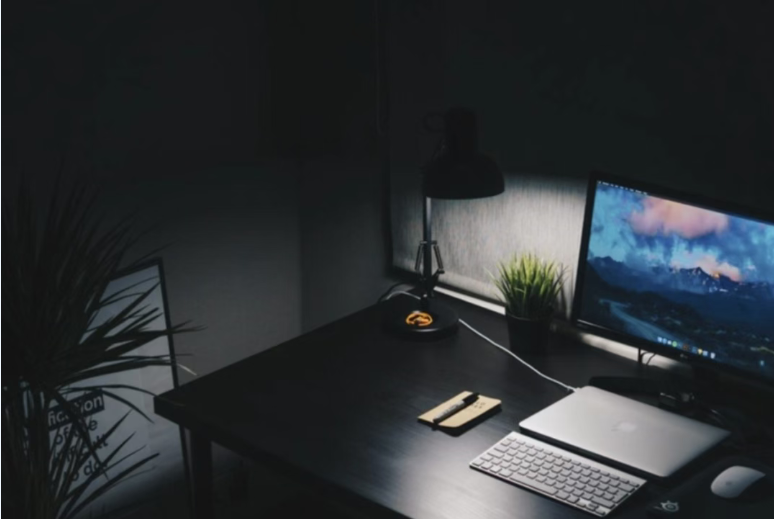
At night, children need not only a bright workspace but also balanced lighting across the room. A strong contrast between bright and dark areas causes visual fatigue. That’s why it’s essential to turn on both the desk lamp and the overhead light. This creates an evenly lit environment that reduces eye strain.
Avoid low-hanging ceiling lights that reflect off TVs or glossy surfaces, which can be uncomfortable or distracting. And always position the desk lamp slightly in front of the child’s dominant hand — most people are right-handed, so the lamp usually sits at the top-left corner of the desk.
Choosing the Right Home Lighting
1.Choose a High-Quality, Eye-Friendly Desk Lamp
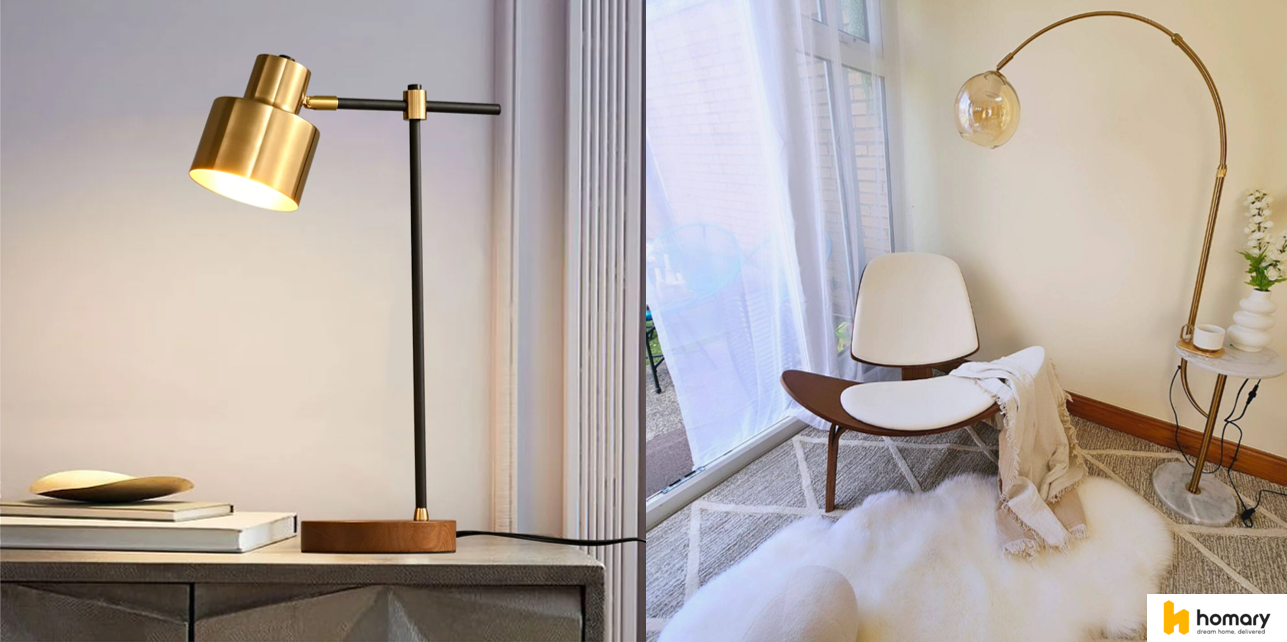
A desk lamp is the lighting children use most while studying, so choosing one that meets strict safety and visual comfort standards is crucial. A good eye-protection lamp provides warm, soft, evenly distributed light that helps minimize eye strain during close-up tasks.
Look for:
- Certification that meets national standards for illumination quality
- Anti-glare design, such as side-emitting lamps, diffused light surfaces, hidden light sources, or shaded lamp heads
- High color-rendering index (CRI), which reflects how accurately colors appear under the light
A CRI of 80+ is suitable for daily reading and homework, while young artists or kids who draw frequently should use lamps with a CRI of 95+ for accurate color perception.
2.Choose Floor Lamps Designed for Vision Protection
Many parents don’t realize that modern floor lamps can also support healthy visual development — some are even designed with myopia protection features.
A well-designed floor lamp can:
- Provide High and Even Illumination
- A properly engineered floor lamp ensures uniform brightness, ideally above 4000 lux in the study area. This helps reduce visual fatigue and supports healthier eye habits.
- Offer Full-Spectrum, Natural-Like Light
- Full-spectrum lighting mimics sunlight, reducing stress on the eyes and improving color accuracy. A high CRI (color-rendering index) helps children distinguish objects comfortably without straining.
- Reduce Blue Light and Prevent Flicker
- Blue light is a major contributor to retinal stress. A good floor lamp offers blue-light protection and produces no perceptible flicker, both of which reduce fatigue and help protect developing eyes.
Avoid Overly Bright White Walls
Typical white walls reflect about 69%–80% of incoming light, while extremely bright or glossy white walls can reflect up to 90%. This intense reflectivity can make a room feel larger and brighter — but it’s not ideal for children's eyes.
Constant exposure to an overly reflective environment can strain the cornea and iris, leading to eye fatigue, decreased visual comfort, or even increased risk of vision problems over time. Excessive reflected light may also disrupt circadian rhythms, contributing to irritability, poor sleep, or fatigue.
In recent years, the rise in childhood and adolescent myopia has become increasingly concerning, with more than 600 million people affected worldwide. Effective myopia control for young people requires the combined efforts of both parents and schools. Beyond creating a healthy lighting environment at home, children also need guidance to develop proper visual habits — taking regular breaks, maintaining the right reading distance, and avoiding prolonged close-up work.
If you notice early signs of nearsightedness in your child, it’s important to act quickly. Timely myopia prevention and intervention — whether through corrective glasses, vision therapy, or professional eye examinations — can help slow down or prevent further progression. Consistent attention and early action make a significant difference in protecting children’s long-term eye health.