

Mid-century modern furniture is a design style that emerged in the mid-20th century (roughly 1945–1970) and remains perennially popular for its timeless appeal. This style was defined and popularized by designers of the post-World War II era, emphasizing simplicity, functionality, and organic elegance. In fact, the term "Mid-Century Modern" itself was coined by author Cara Greenberg in her 1984 book to describe this significant design movement. Characterized by clean lines, gentle curves, and an "honest" use of materials, mid-century modern furniture foregoes excessive ornamentation in favor of a sleek, minimalist aesthetic. Iconic examples from this era – such as the Eames Lounge Chair and Ottoman, Mies van der Rohe’s Barcelona Chair, and Isamu Noguchi’s coffee table – have become enduring classics that still influence designers today.
Fast-forward to now: mid-century modern style has resurfaced in contemporary homes and magazines, proving that good design truly stands the test of time. Its blend of warmth and simplicity resonates with modern lifestyles, and many brands (including Homary) continue to produce pieces inspired by mid-century originals. In this complete style guide, we’ll explore the defining features of mid-century modern furniture, the key materials and color palettes that bring this look to life, and how you can incorporate the style into your home – complete with inspirational examples from Homary’s collection.
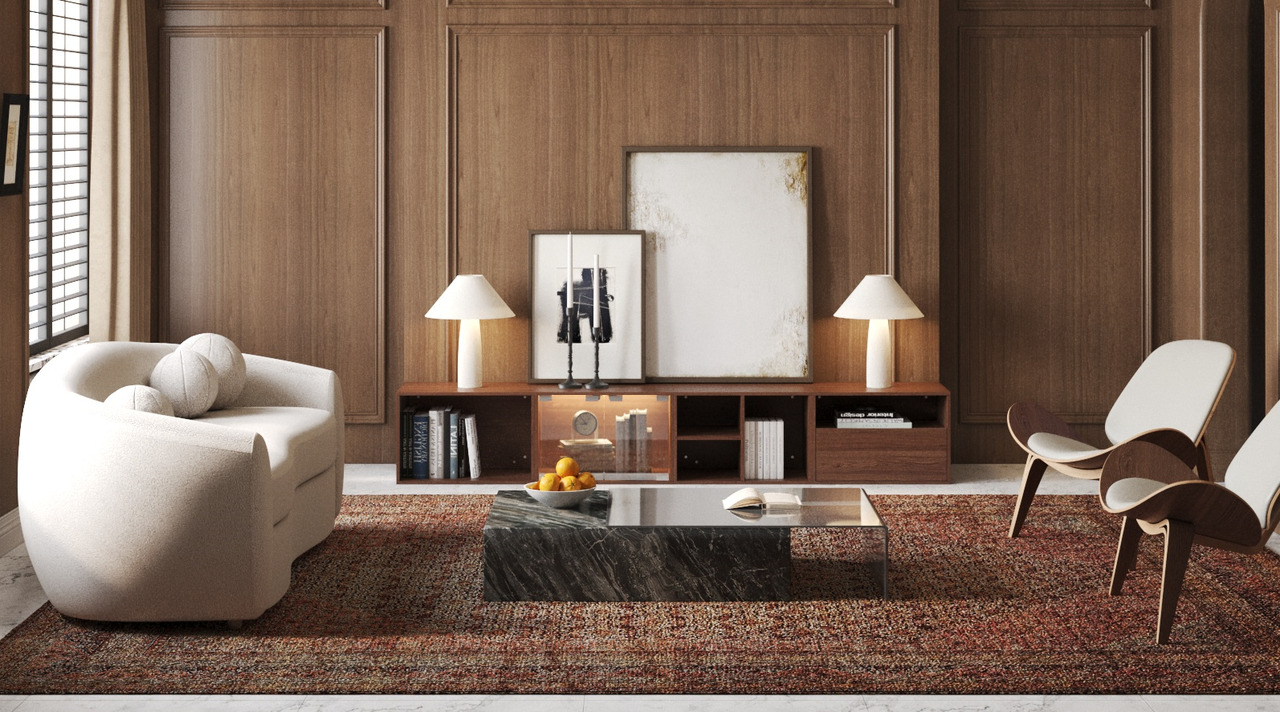
Defining Features of Mid-Century Modern Furniture
Mid-century modern furniture has a distinct look and philosophy. Here are some of its defining features that capture the essence of the style:
- Clean, Simple Lines: Pieces feature streamlined shapes with gentle curves or geometric forms, avoiding ornate carvings or excessive detail. This minimalist, clean-lined approach was about combining functionality with beauty – furniture was designed to be both useful and visually pleasing in a simple, uncluttered way. For example, cabinets and sofas often have smooth surfaces and straight edges, sometimes accented by one or two subtle curves rather than elaborate decorations.
- Functional & Purposeful Design: Mid-century modern designers firmly believed in “form follows function.” Furniture was created to improve daily life and meet the needs of the average family. Multi-purpose pieces and efficient designs were common – think of nesting tables, modular sectionals, or compact storage units. Every element serves a purpose, and there’s a sense of practical simplicity. This functional ethos means mid-century pieces tend to be comfortable and user-friendly as well as stylish.
- Organic and Geometric Forms: There’s a delightful interplay between organic shapes and geometric forms in mid-century design. On one hand, many pieces have organic curves inspired by nature – for instance, the kidney-shaped coffee tables or the curved “egg” form of certain chairs. On the other hand, you’ll also see sleek geometric silhouettes like tapered rectangular legs or angular credenzas. This mix creates interest without needing ornamentation. Designers like the Eameses and Verner Panton explored biomorphic shapes, while others embraced space-age angular looks; both approaches fit within the mid-century vibe.
- Tapered Legs & Low Profiles: A hallmark of mid-century furniture is the use of tapered, splayed legs, usually made of wood or metal, lifting cabinets and sofas elegantly off the floor. These peg legs give furniture a light, airy appearance. Most seating and storage pieces also have a relatively low, horizontal profile (for example, low-back sofas and long, low TV consoles), which contributes to the open, spacious feel typical of mid-century interiors. The combination of raised legs and low profiles helps rooms feel less bulky and more open.
- Blending Indoor & Outdoor Aesthetics: In mid-century architecture, there was an emphasis on bringing the outdoors in – large windows, open layouts – and the furniture echoed that spirit. Many wood pieces showcase natural grain and earthy finishes to celebrate nature inside the home. Likewise, layouts favored open sightlines, so furniture was kept visually light (again, those slim legs and uncluttered forms). This creates a seamless flow in living spaces, almost as if your interior furnishings are an extension of the natural environment and architecture around them.
By recognizing these key features, it becomes easier to identify (and appreciate) mid-century modern pieces. Whether it’s a sleek credenza or a rounded accent chair, true mid-century design balances form and function in a way that still feels fresh today.
Key Materials & Colors in Mid-Century Design
A mid-century modern look isn’t just about shape – it’s also about the materials and colors that were popular in the 1950s and 60s. Understanding these elements will help you recreate the style authentically in your own space.
Common Materials: Mid-century designers were innovative in their material choices, often combining traditional and new materials in one piece for contrast. Here are some staples:
- Wood: Warm woods are perhaps the most emblematic material of mid-century furniture. Teak, walnut, oak, and rosewood were widely used for their rich tones and beautiful grain. Cabinets, tables, and chair frames often feature solid wood or wood veneer finishes that showcase natural color and texture. The honest use of wood (often simply stained rather than painted) adds warmth and organic character to the clean designs.
- Metal: Metals like steel, chrome, and brass provide contrast and a modern touch. You’ll see metal used for hairpin legs on tables, angular metal frames on chairs, and decorative trim or pulls. The metal is usually left with a smooth, polished finish (chrome and brass for a little shine, black powder-coating for a graphic accent). It complements wood by adding strength and an industrial edge. For example, the classic Nelson platform bench combines a wooden top with metal legs – functional and sleek.
- Glass: Glass was embraced for its sleek, weightless quality. Many mid-century coffee tables and dining tables have glass tops, often paired with wooden or metal bases (the famous Noguchi table is a prime example: a sculptural wood base supporting a free-form glass top). Glass provides a feeling of openness and allows the base design to be seen, contributing to that airy, uncluttered look.
- Plastics & Plywood: One hallmark of mid-century innovation was using new materials of the time. Molded plastics, fiberglass, and bent plywood enabled designers to create organic shapes and mass-produce affordable furniture. Charles and Ray Eames pioneered molded plywood chairs and fiberglass shell chairs; these materials could form ergonomic curves (like the famous Eames lounge shell or Panton S-chair) that traditional solid wood couldn’t. Vinyl upholstery and Formica laminates also appeared, reflecting a futuristic, space-age optimism. Importantly, these materials were used in their own right – mid-century pieces didn’t try to mimic something they weren’t. For instance, plastic was celebrated for its smooth, shiny look, not painted to resemble wood.
- Textiles: Upholstery in mid-century modern pieces often featured simple, durable fabrics. You’ll find a lot of wool blends, tweed, nubby boucle, or leather on sofas and chairs. Solid colors or subtle geometric patterns were preferred over fussy prints. The focus was on texture and tone that complemented the furniture’s form. Cushions were kept tailored and neat. Additionally, neutral or warm-tone leathers (like cognac or olive green leather on a sleek sofa) fit the palette perfectly, aging gracefully over time.
Color Palette: The mid-century modern color scheme is distinctive and fun, balancing neutral foundations with bold accents. Overall, earthy and muted tones set the stage, punctuated by strategic pops of color. Here’s how to think about it:
- Neutral Base: Mid-century interiors often start with a foundation of neutral colors – whites, off-whites, beiges, grays, and browns. Walls might be painted white or cream, and large furniture pieces (like a sofa) might be in a subtle gray or oatmeal tone. Wood furniture adds a natural brown warmth as part of this neutral base. These understated hues create a calm canvas and let the furniture’s form shine. Black is also used in small doses (for example, wrought iron legs or a black-and-white art print) to provide contrast. Earthy tones such as olive green, taupe, and tan fall into this neutral category as well, echoing nature.
- Warm Accents: Alongside the neutrals, mid-century style loves warm, retro accents. Mustard yellow, burnt orange, olive or avocado green, and rust are quintessential mid-century accent colors. You might see a deep orange accent wall, a set of mustard-yellow throw pillows, or an avocado green lounge chair providing a focal point. These hues are rich but slightly muted (not neon-bright), so they add vibrancy without overpowering. They pair beautifully with the wood tones and neutrals. For example, an aqua teal or seafoam blue chair against a white wall, or a pop of red in artwork or a decorative clock, brings that unmistakable 60s flavor to the room.
- Contrasting Pops: In addition to the warm tones, some mid-century schemes include cooler pops of color like turquoise, deep blue, or pink*. The key is moderation – one or two statement colors against a neutral backdrop. A classic combo is teal and pink, or teal and mustard, giving a playful yet still vintage feel. Teal blue** was popular in mid-century decor and remains a favorite for accent chairs or rugs (it has a retro vibe but is calming too). Even pink (think dusty rose or flamingo pink) can appear in artwork or smaller decor pieces. These colors should feel curated and intentional, often echoing the optimistic mood of the mid-century era.
- Overall Balance: Typically, mid-century palettes use neutrals (white, wood, black) to cover large areas and then accentuate with bright or bold colors in smaller doses. For instance, a living room might have white walls, a walnut wood credenza, and a gray sofa, then add personality through a patterned orange rug, a turquoise lamp, and some colorful abstract art. Houseplants with their natural green also fit well, bringing life and tying back to the era’s love of nature. The result is a balanced look that’s neither boring nor overwhelming – it feels cozy yet fresh, grounded by nature-inspired tones with a few fun surprises.
By using these materials and colors in your decor, you’ll capture the mid-century modern atmosphere. Remember that authenticity and simplicity are key: show off natural wood, embrace the textures of metal or fiberglass, and choose colors that evoke a vintage 1950s-60s mood while still harmonizing with a modern home.
Top Homary Mid-Century Pieces for Inspiration
One of the best ways to bring mid-century modern style into your home is through furniture selections that highlight the era’s signature look. Homary offers a range of pieces that channel mid-century design. Here are five top picks that exemplify the style and can serve as focal points in your space:
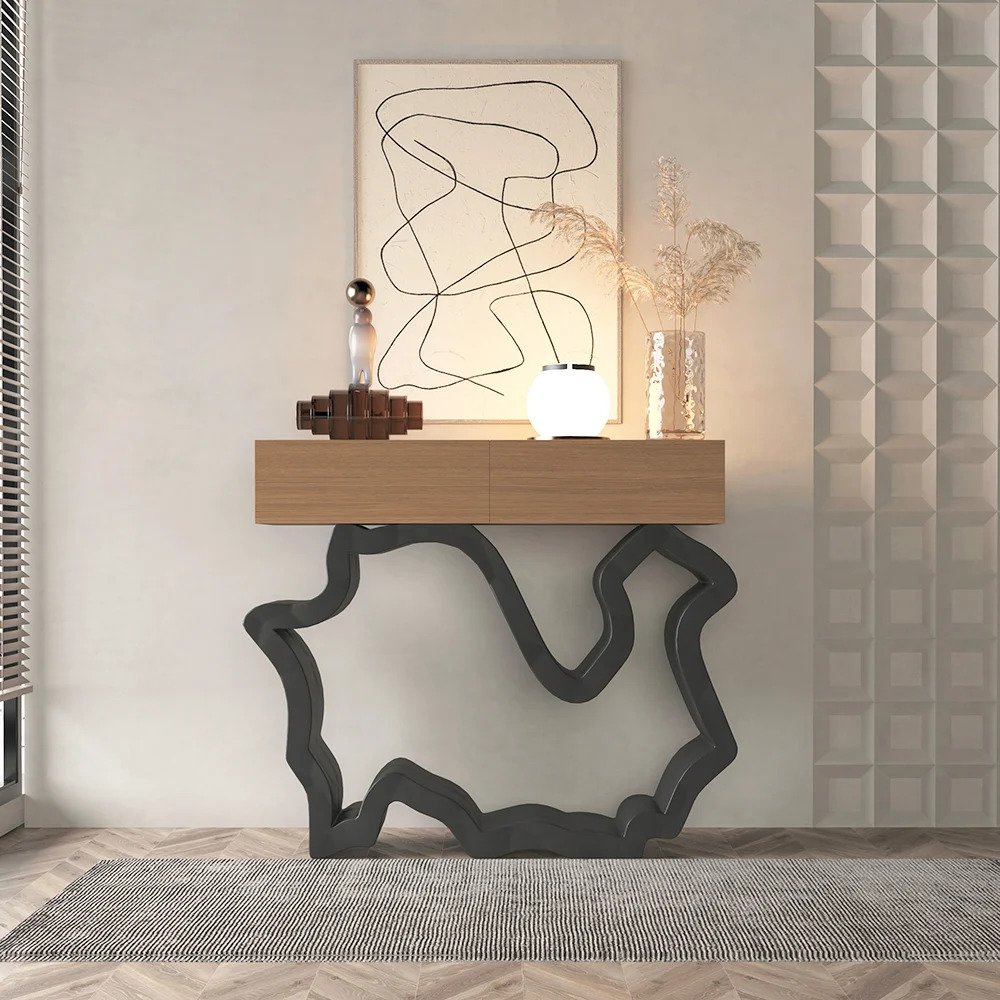
1. Walnut Wood Console Table – Two-tone black metal and walnut make this gorgeous rectangular console a beautiful addition. It showcases the beautiful natural grain that mid-century pieces are known for. The design is minimalist yet warm – perfect for an entryway or living room. The tabletop with enormous space and two drawers, and a curving bottom shelf allows you to show and store all of your personal belongings. Add a bit of practical storage, keeping in line with the era’s functional ethos. Placed against a wall, under a round mirror or some geometric artwork, this walnut console instantly brings retro charm and a sense of modern elegance to your home.
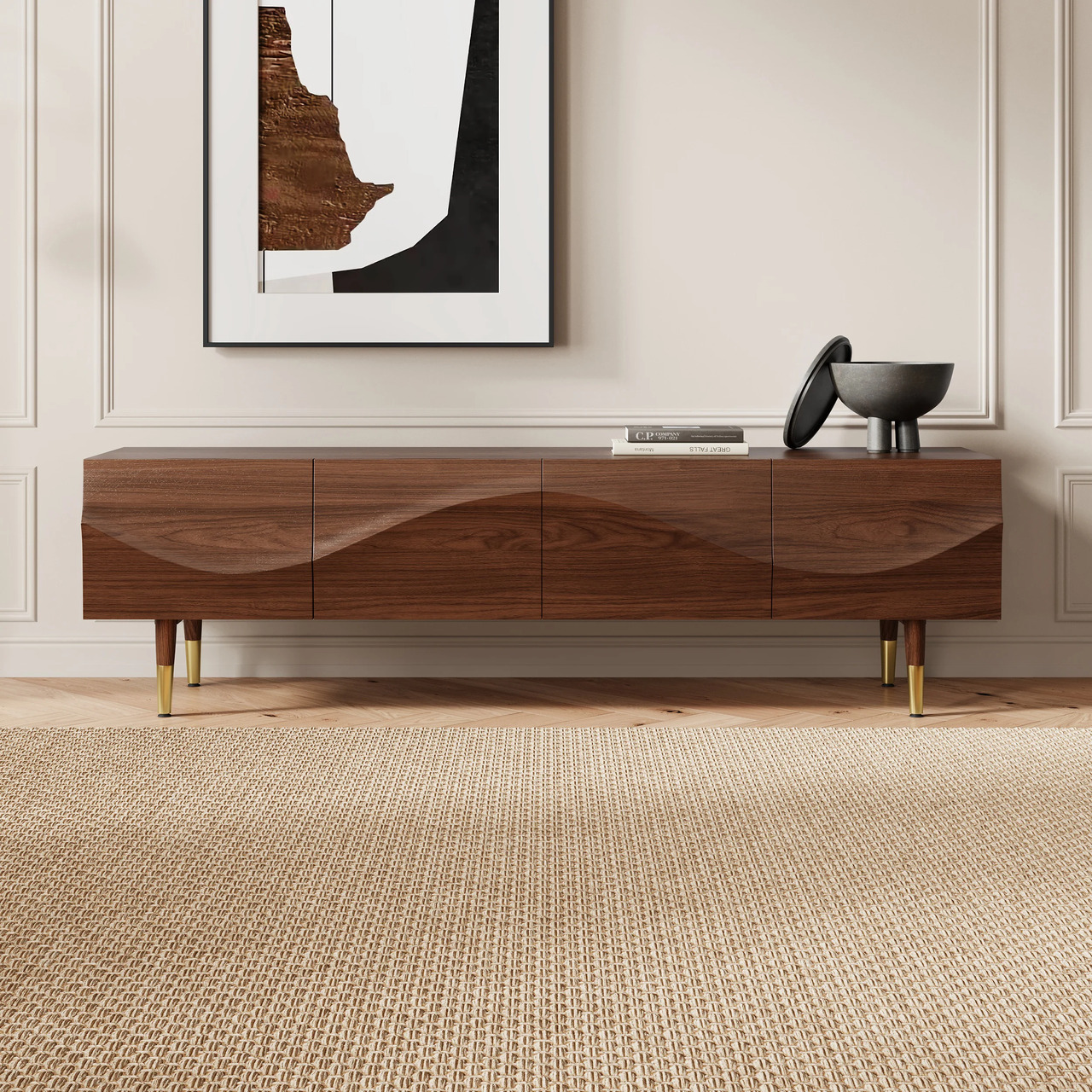
2. Mid-Century TV Stand – A stylish TV console can set the tone for your entire living room, and this mid-century inspired TV stand does so with flair. It features a low-profile, elongated form (typical of mid-century credenzas) and is finished in a warm walnut tone. The clean lines are complemented by subtle design details – for example, a wavy front on the cabinet doors or drawers that adds visual interest without feeling ornate. This piece sits on splayed wooden legs, keeping it elevated and airy. With multiple drawers or compartments, it provides plenty of hidden storage for media accessories, blending convenience with classic design. The overall look is retro yet functional, and it will pair beautifully with other mid-century elements (imagine it below a wall-mounted flat screen, flanked by a pair of Eames-style lounge chairs or accented by a starburst clock above!). This TV stand shows how Homary’s mid-century pieces can seamlessly integrate vintage style into a modern lifestyle.
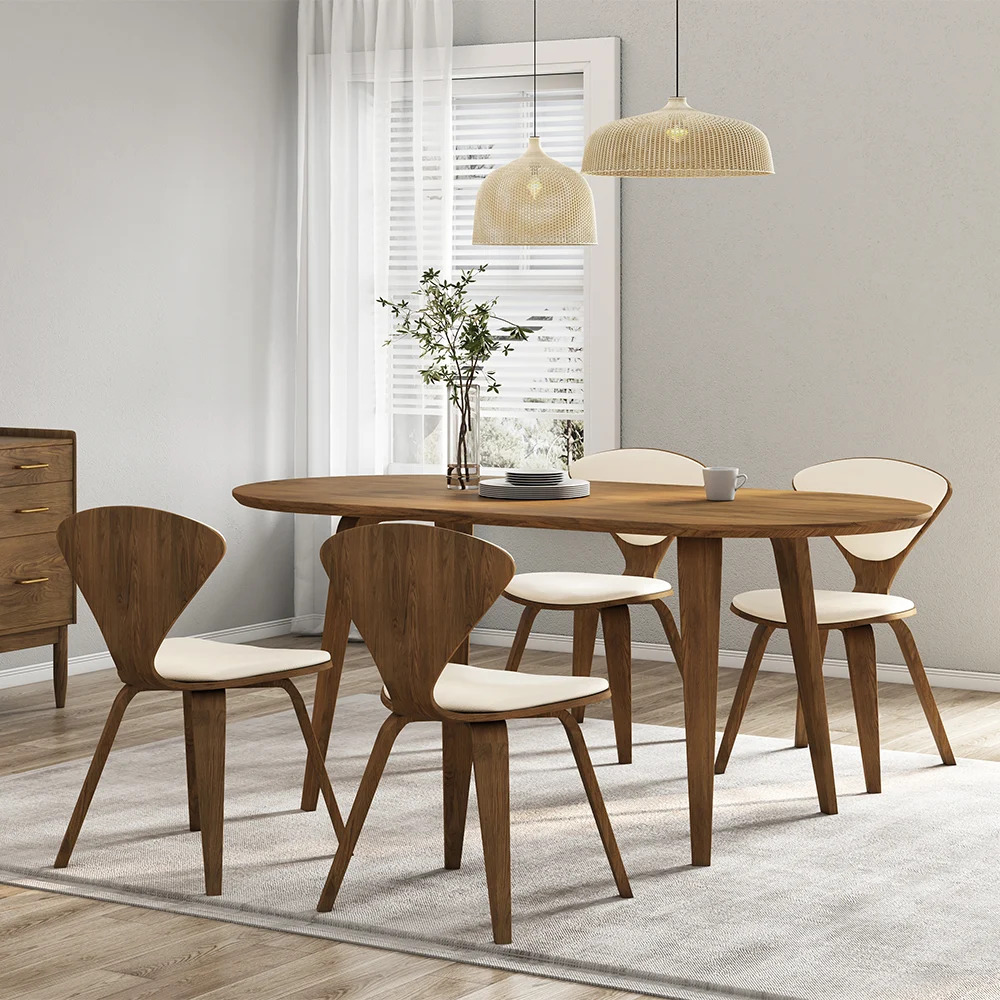
3. Mid-Century Modern Oval Wood Dining Table – Gathering around the table is where memories are made, and this mid-century modern oval dining table sets the perfect stage. Measuring 1600 mm long, it’s finished in a rich walnut ash veneer that highlights the natural warmth of the wood. The oval shape softens the silhouette, making it ideal for smaller spaces while still seating up to six comfortably. Supported by four tapered legs, the design feels open and airy, true to mid-century form. Whether hosting a casual brunch or a formal dinner, this table merges elegance with practicality and instantly becomes a centerpiece for your dining room.
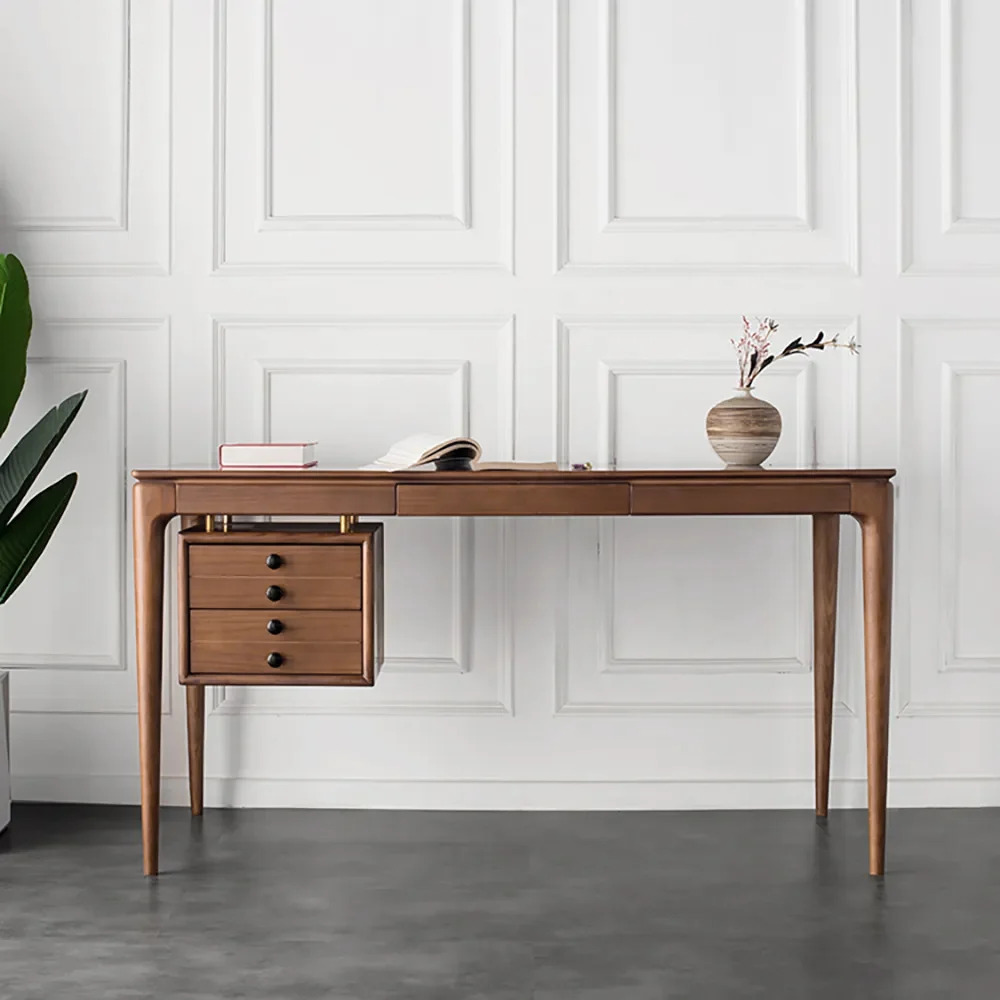
4. Mid-century Style Walnut Ash Wood Home Office Desk – Channel timeless sophistication in your workspace with this mid-century inspired walnut ash desk. Its streamlined profile, flared legs, and brushed metal fittings echo the era’s iconic detailing while keeping the look fresh and modern. Multiple drawers offer discreet storage for office supplies, ensuring your space stays clutter-free without sacrificing style. The walnut finish adds warmth, balancing function with refinement. Perfect for a home office or creative corner, this desk blends vintage charm with everyday practicality, making work feel a little more inspired.
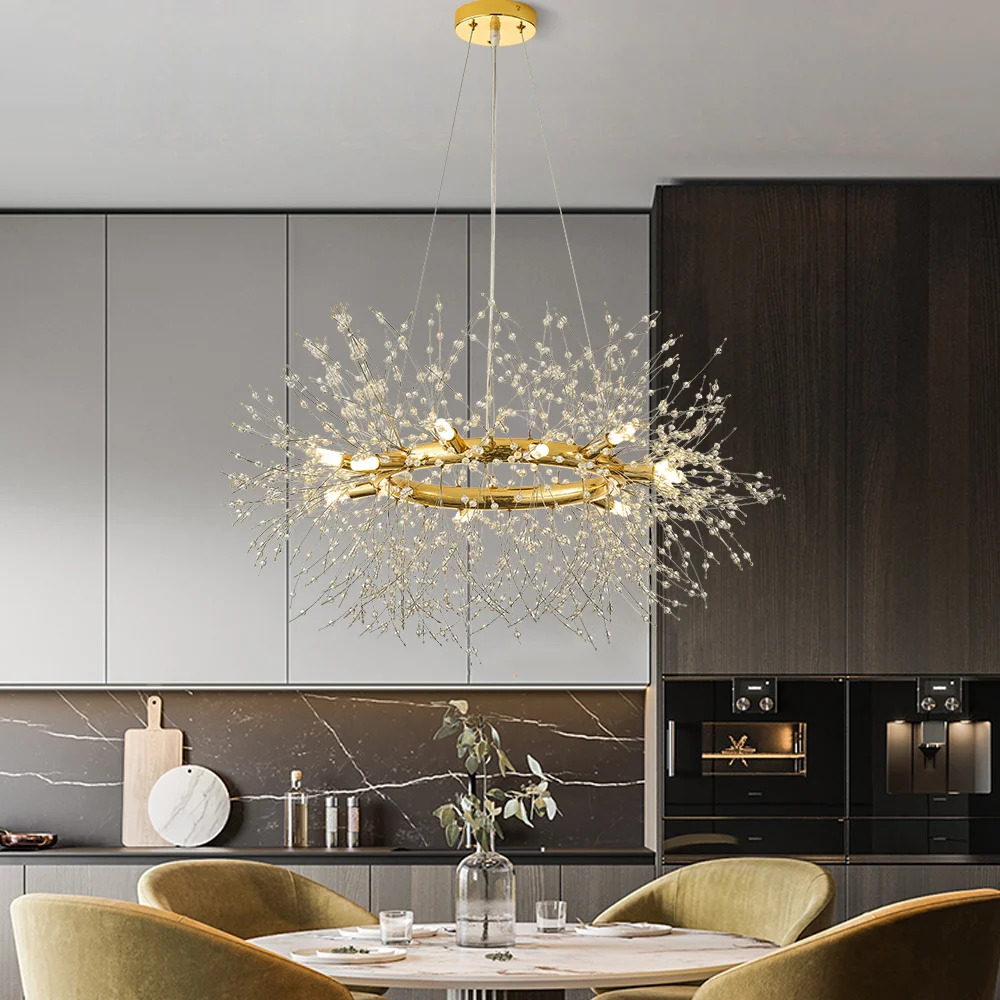
5. Mid-Century Modern 12-Light Crystal Firework Sputnik Chandelier – A true statement piece, this 12-light Sputnik chandelier captures the drama and optimism of classic mid-century design. Polished stainless steel arms radiate from a central sphere, each tipped with sparkling crystal accents that shimmer like a burst of fireworks. The effect is both glamorous and playful, casting dazzling light across any room. Suspended over a dining table, in a living room, or even as a bedroom centerpiece, this chandelier infuses your space with bold mid-century character and modern sophistication. It’s retro luxe at its finest.
Style Tip: When incorporating these pieces, don’t hesitate to mix them with contemporary decor. Mid-century modern furniture is very versatile – a walnut console or TV stand from Homary can look stunning alongside a modern sofa, or under abstract artwork. To complete the look, consider browsing Homary’s Mid-Century Modern collection for matching coffee tables, accent chairs, and more.
By now, you should have a solid grasp of what mid-century modern furniture is and how to recognize its key characteristics. In summary, mid-century modern is all about clean lines, functional design, mixed materials, and a warm yet vibrant color palette that together create a harmonious and inviting space. Whether you’re a long-time fan of Eames and Nelson designs or new to the style, bringing a touch of mid-century into your home can add both retro nostalgia and modern sophistication. With Homary’s mid-century modern furniture selections at your fingertips, you can confidently infuse this iconic look into any room – achieving that perfect blend of vintage charm and contemporary comfort that defines mid-century modern living. Enjoy your design journey, and happy decorating!